
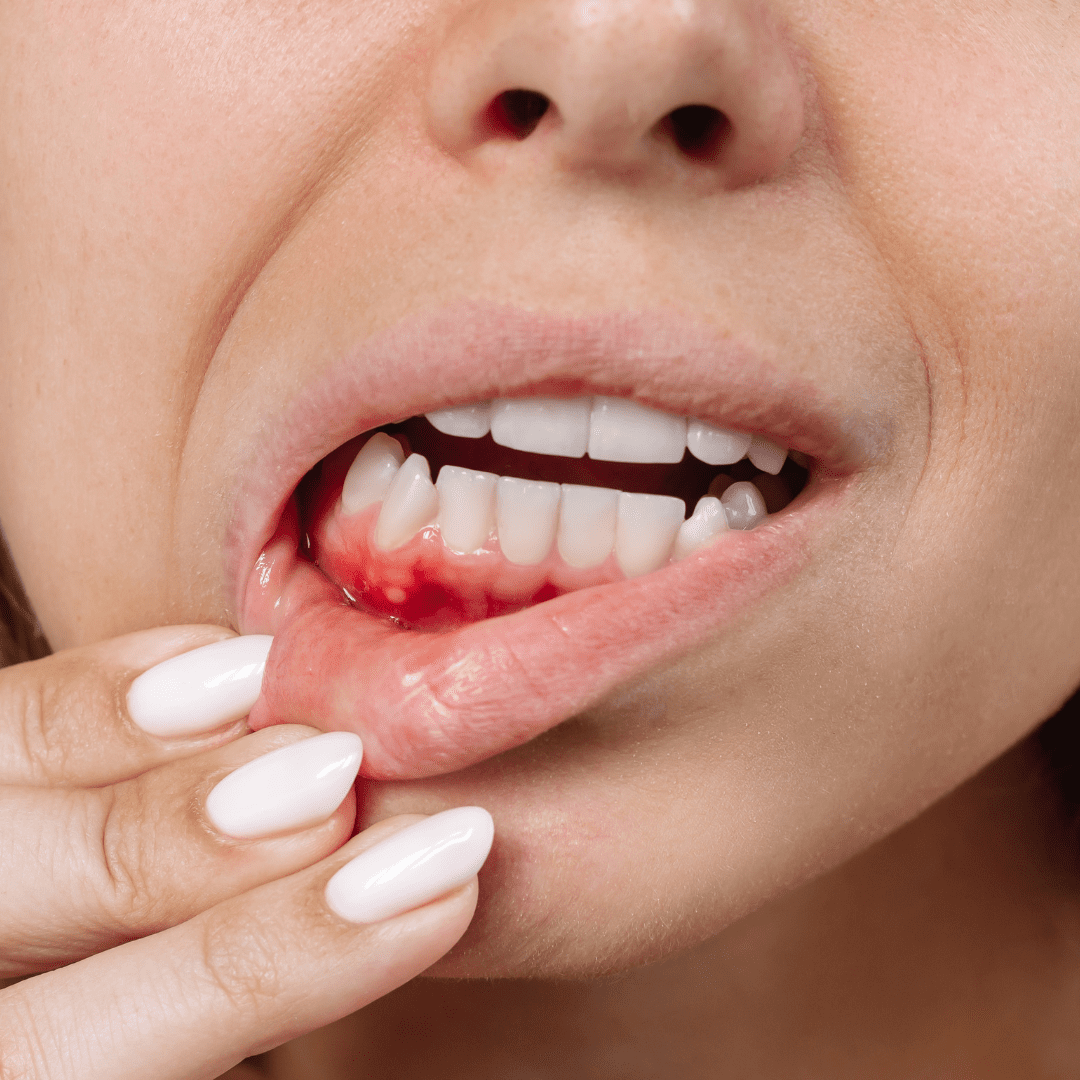
Bleeding Gums? What It Means and When to See a Dentist
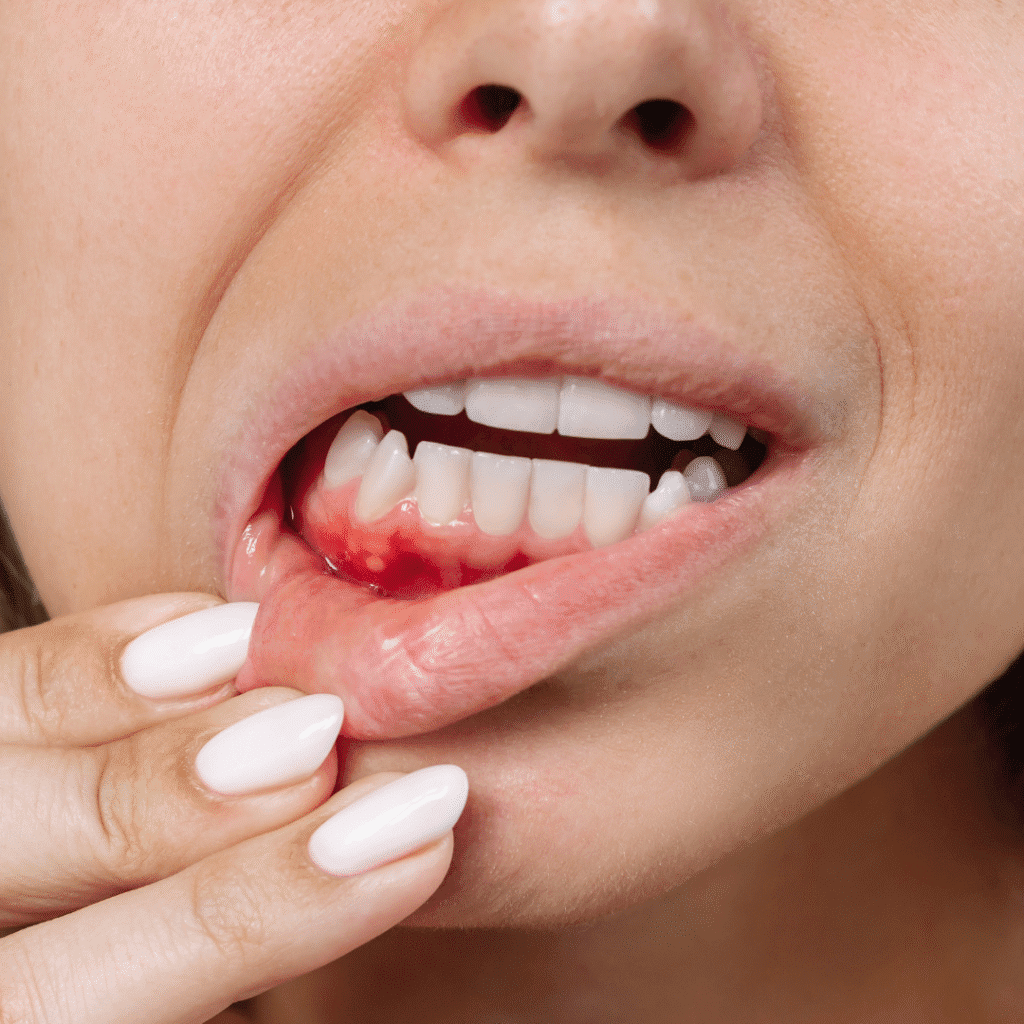
Noticing a bit of pink in the sink when you brush or floss? Occasional bleeding gums may seem harmless, but they can be one of the first signs that your gums need a little extra care.
At Tooth Harmony in Niagara Falls, we often see patients who are surprised to learn that even mild gum bleeding can indicate early gum inflammation — something that’s simple to treat when caught early.
Here’s what causes it, how to care for it at home, and when to book a visit to keep your gums healthy.
Why Gums Bleed

Healthy gums shouldn’t bleed easily. If you notice bleeding during brushing, flossing, or eating, it usually means the tissues are irritated, inflamed, or under stress.
Common causes include:
Plaque build-up: When plaque isn’t fully removed, it can irritate your gums and trigger inflammation.
Gingivitis: The earliest stage of gum disease, marked by tenderness, redness, and light bleeding.
Brushing too hard: Firm bristles or aggressive brushing can damage gum tissue.
Flossing too infrequently: If you’ve recently started flossing again, your gums may bleed for a few days until they adjust.
Hormonal changes: Pregnancy, puberty, or hormonal shifts can make gums more sensitive.
Dry mouth: Reduced saliva can make plaque stickier and harder to remove.
Certain medications: Some prescription drugs may affect gum health or cause dryness — let your dental team know about any medications you’re taking.
While some causes are temporary, ongoing bleeding shouldn’t be ignored. It’s often your body’s way of asking for attention.
How to Care for Bleeding Gums at Home
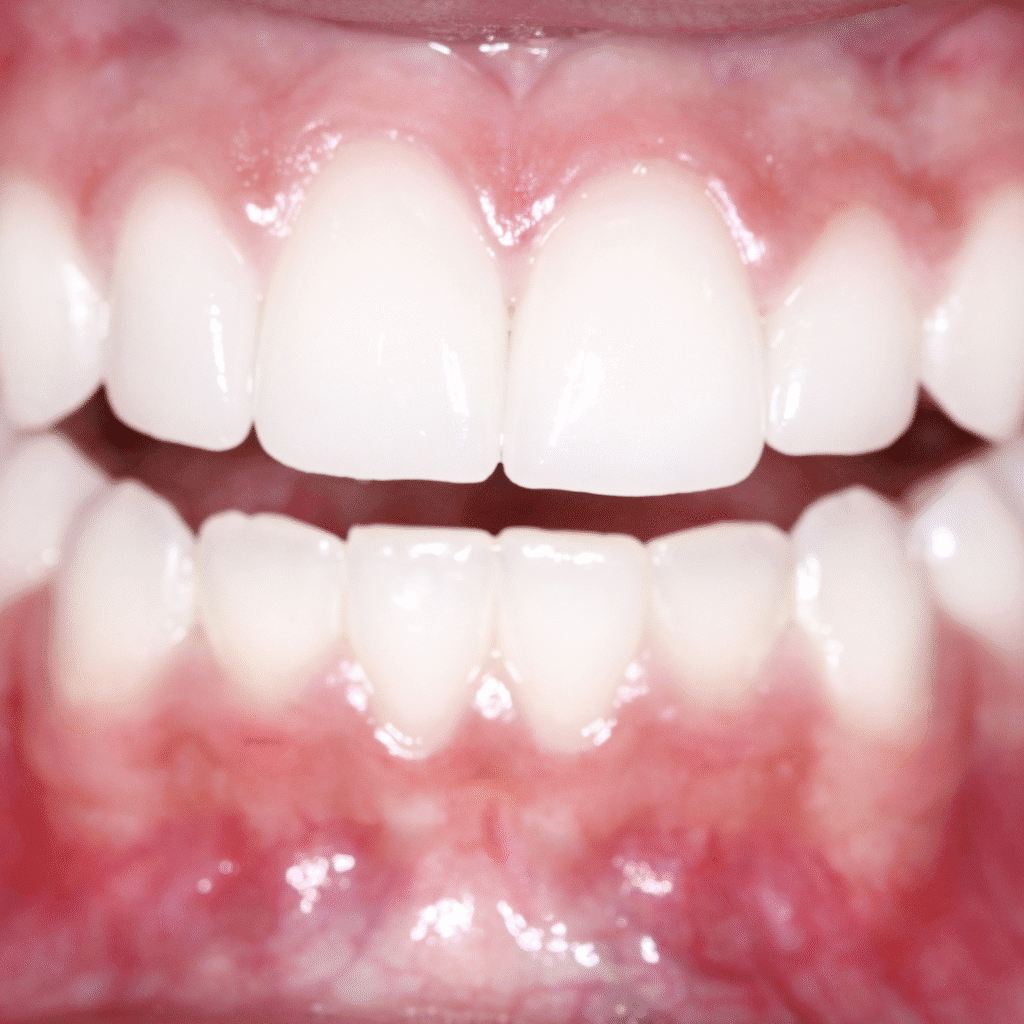
If you’ve noticed light bleeding but no pain, a few small changes can often help reduce irritation:
Switch to a soft-bristled toothbrush.
It’s just as effective as a hard brush but gentler on your gums and enamel.Brush with gentle, circular motions.
Avoid scrubbing side-to-side; this can cause more bleeding and gum recession over time.Floss daily — even if it bleeds at first.
Within a week or two, healthy gums typically stop bleeding as inflammation subsides.Rinse with an alcohol-free mouthwash or warm salt water.
This helps soothe irritation and reduce bacteria levels.Stay hydrated.
Water helps maintain saliva flow, which naturally cleans your mouth.Eat a balanced diet.
Nutrients like vitamin C and calcium play a key role in keeping gums strong and resilient.
If bleeding persists for more than a week or is accompanied by swelling, tenderness, or bad breath, it’s time for a professional check-up.
What Happens at a Dental Visit

When you visit Tooth Harmony in Niagara Falls, we’ll start with a gentle exam to find out why your gums are bleeding. This usually includes:
A review of your oral hygiene routine and recent changes.
A close look at your gum line to check for inflammation or plaque build-up.
Measurements of gum pockets to assess for early gum disease.
A discussion about brushing tools, floss types, and any contributing factors like dryness or medication.
If gum disease is detected, we’ll recommend treatment options that are right for you. Most cases of early gingivitis can be reversed with professional cleaning and improved home care.
Professional Cleaning Makes a Difference
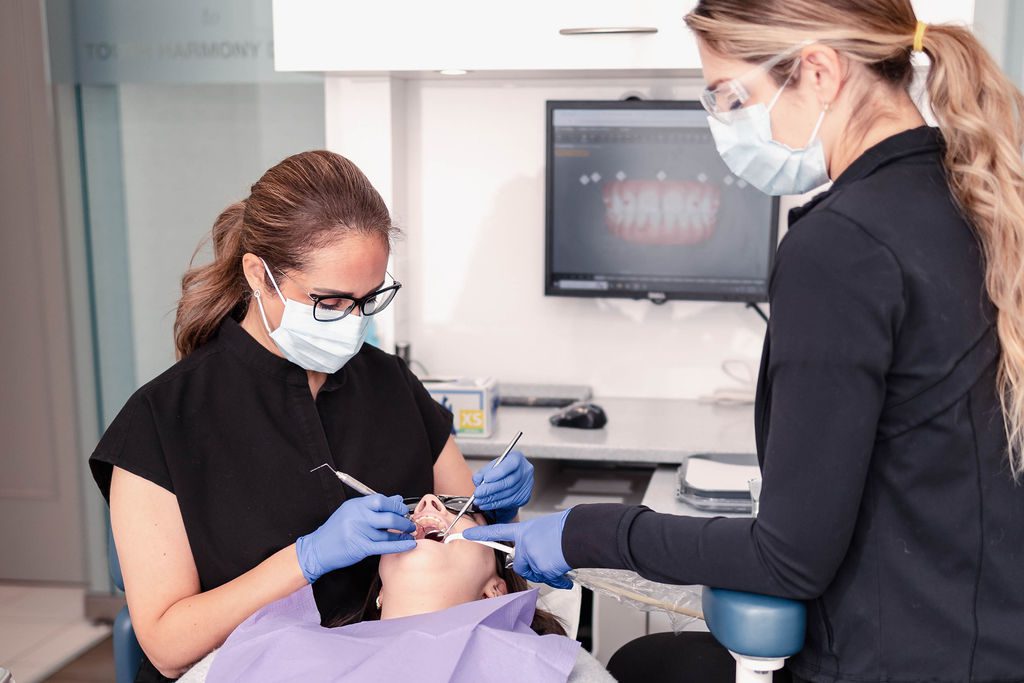
Even with great at-home care, plaque and tartar can build up in places you can’t reach. A professional dental cleaning helps remove this build-up and gives your gums a chance to heal.
During your cleaning, our hygienists use gentle techniques to:
Remove hardened tartar around the gum line.
Smooth tooth surfaces so bacteria have fewer places to cling.
Polish teeth for a clean, refreshed feel.
Many patients notice that their gums feel healthier and bleed less within days of their appointment.
Why Healthy Gums Matter

Gums are the foundation of your smile. They support your teeth, protect the underlying bone, and form a barrier against bacteria.
When gum inflammation isn’t treated, it can progress to periodontitis, a more serious form of gum disease that can eventually lead to tooth loss.
Fortunately, with early detection and consistent care, gum disease is preventable and manageable.
When to Call Tooth Harmony

You should schedule a visit if you notice:
Bleeding that lasts longer than a week
Swollen, red, or tender gums
Persistent bad breath
Gums that are pulling away from your teeth
Loose or shifting teeth
Our Niagara Falls dental team will identify what’s happening and guide you through a care plan that fits your comfort and schedule.
Gentle Gum Care in Niagara Falls
At Tooth Harmony, we believe that preventive care and education go hand in hand. Our goal is to help you understand what your gums are telling you and give you the right tools to maintain long-term oral health.
Whether it’s your first cleaning in years or part of your regular routine, we’ll take time to explain every step clearly and answer your questions without pressure.
Bleeding gums are common — but they’re not something to ignore. With a little attention and professional support, they can often be resolved quickly.
Schedule a visit with Tooth Harmony in Niagara Falls at www.toothharmony.com to learn more about your options.
Or visit us here:
