
With effective local anaesthetic, a tooth extraction should not cause sharp pain during the procedure. You may still feel pressure or movement, and soreness afterward is common. Understanding that difference can help you approach treatment with clearer expectations. [1]
Pain control starts with a conversation about your health and concerns, then continues with a recovery plan at home. This guide explains what you may feel, how discomfort is managed and when to contact your dentist. Follow the individual instructions from the team treating you, because the tooth, procedure and your health all affect recovery.
toothharmony.com | Patient Education
1. What you may feel during the extraction


Your dentist usually numbs the tooth and surrounding gum with a local anaesthetic. The injection may briefly sting, but the purpose is to prevent pain while the tooth is removed. Pressure, pushing and noises can still be noticeable even when the area is numb. [1, 2]
If you feel sharp pain, say so immediately or use an agreed hand signal. Give your dentist the chance to pause, check the numbness and adjust pain control. Staying silent makes it harder for the team to know what you need.
Mention dental anxiety and any previous difficulties with numbing before treatment. For some people or more complex procedures, additional anxiety-management options may be discussed. Sedation and local anaesthetic have different roles: helping you relax does not replace the need to numb the treatment area. Ask what is appropriate for your situation. [2, 3]
Your next step: Tell your dentist about sharp pain rather than trying to push through it.
toothharmony.com | Patient Education
2. What soreness is normal afterward


As the anaesthetic wears off, tenderness around the socket and an aching or stiff jaw can become noticeable. Swelling and some bruising may also occur. After surgical extractions, discomfort and swelling often increase over the first two to three days before starting to settle. [4]
A straightforward extraction and a more involved surgical removal can have different recovery times. Improvement usually happens gradually; feeling better does not mean the socket has completely healed. Ask your dentist what progress to expect for your particular procedure. [2, 4]
Rest and use any comfort measures the team recommends. A cloth-wrapped cold pack against the outside of your cheek, used for short periods with breaks, may ease swelling. Avoid placing ice directly on your skin or into the socket. [1]
Your next step: Look for a gradual improvement after the early recovery period, and ask about pain that feels out of proportion.
toothharmony.com | Patient Education
3. Follow a pain relief plan that is safe for you


Non-opioid medicines are usually the first choice for pain after extraction. American Dental Association guidance supports anti-inflammatory medicines such as ibuprofen, alone or with acetaminophen, for many adults and adolescents. The right choice depends on your health, other medicines and the procedure. [5]
Before you leave, confirm which medicine to take, when to take it and the maximum allowed dose. Ask a dentist or pharmacist before combining products, and check active ingredients so you do not accidentally take the same medicine twice. Over-the-counter does not mean suitable for everyone. [2, 5]
Do not add aspirin for extraction pain without advice because it can increase bleeding. If you already take prescribed aspirin or another blood thinner, do not stop it yourself; tell your dental team. [6]
Antibiotics are not painkillers and are not routinely needed for every extraction. Take them only if prescribed, and follow the directions. [7]
Your next step: Leave with a clear medicine plan instead of guessing once discomfort starts.
toothharmony.com | Patient Education
4. Protect the healing blood clot


A blood clot forms where the tooth was removed and helps protect the wound while healing begins. Keeping it undisturbed is an important part of comfortable recovery. [8]
For the first 24 hours, avoid rinsing and spitting, and do not poke the socket with your tongue or fingers. Bite on the gauze as instructed by your dentist if needed to control bleeding. Some blood-tinged saliva can be expected, but ongoing heavy bleeding needs advice. [6]
Avoid drinking through a straw, which can disturb the clot. Smoking and vaping also interfere with healing and raise the risk of problems, including dry socket. Ask how long to avoid them for your procedure and follow the team’s instructions. [3, 8]
Arrange a quiet recovery day and avoid strenuous activity at first. If sedation was used, also follow the separate rules about transport, supervision and driving. [2, 7]
Your next step: Protect the socket from suction, vigorous rinsing and unnecessary touching.
toothharmony.com | Patient Education
5. Choose gentle food and oral care
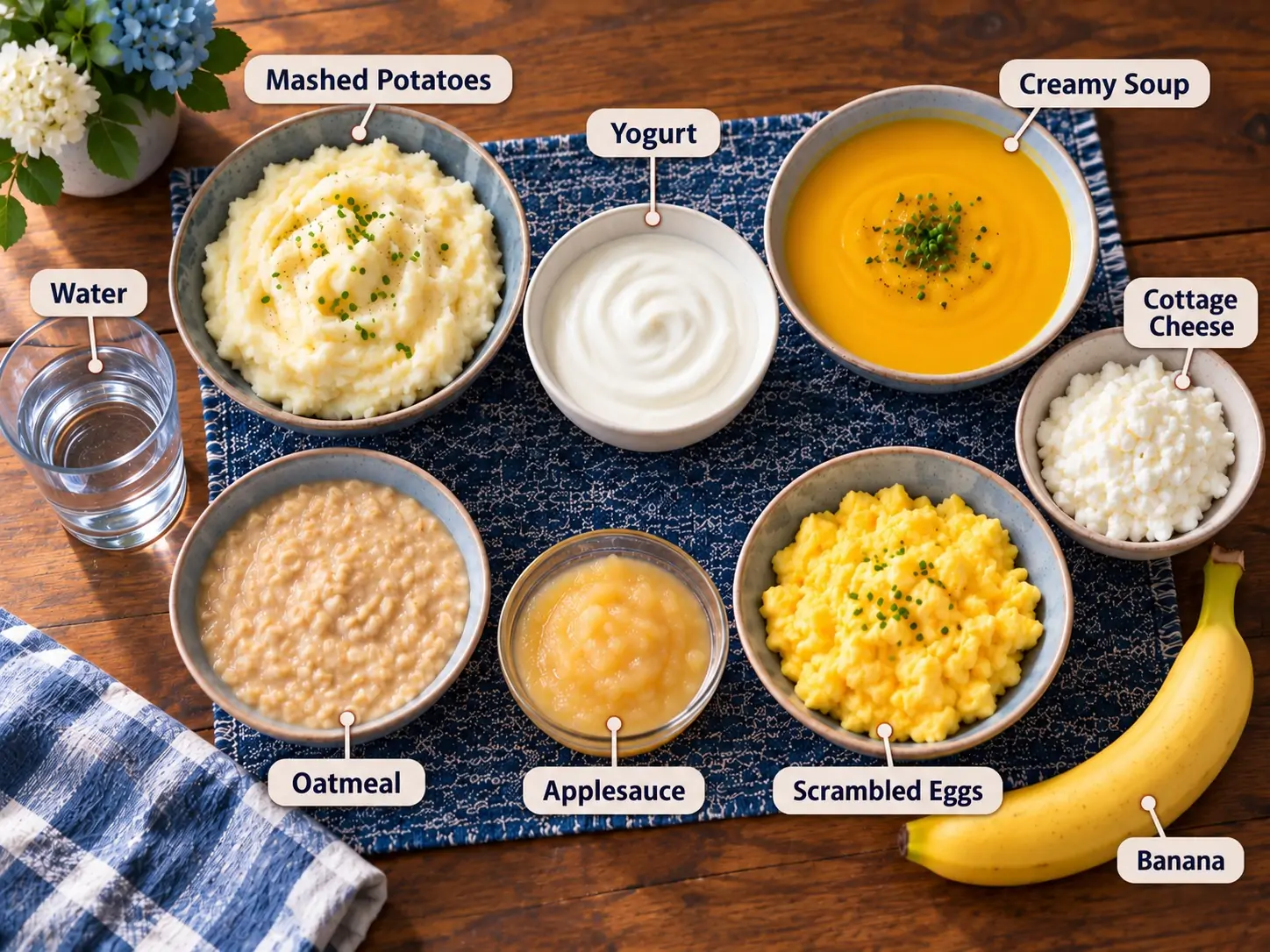
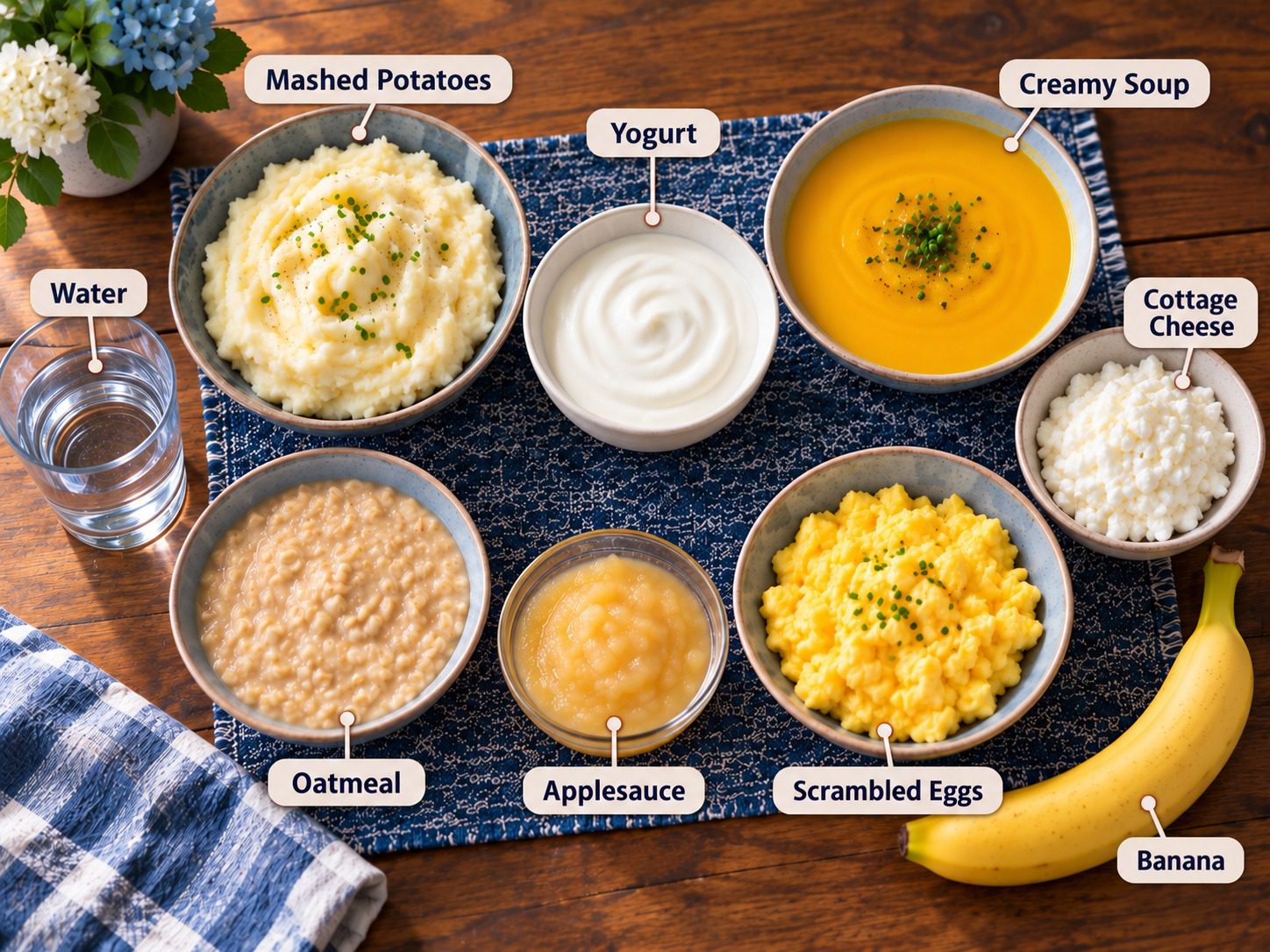
Follow your dentist’s advice about when to start eating. While your mouth is numb, avoid hot food and drinks and be careful not to bite your lip, cheek or tongue. For the first few days, soft options such as yogurt, mashed potato and scrambled eggs can be easier to manage. Chew away from the extraction site when possible. [4, 6]
After the first 24 hours, your dentist may recommend gentle warm salt-water rinses. Use the preparation and schedule they give you; swish carefully rather than vigorously. [6]
Continue oral hygiene according to your aftercare instructions, taking care around the wound. When brushing resumes, avoid scrubbing the socket itself. Keep meals comfortable as healing progresses and ask before returning to foods that irritate the area. [4, 7]
Your next step: Keep food soft and oral care gentle while the socket heals.
toothharmony.com | Patient Education
6. Know when to contact your dentist


Contact your dental team if pain is severe, cannot be managed with the recommended medicine or becomes worse after initially improving. Dry socket can develop when the protective clot fails to form or is lost. It often causes significant throbbing pain a few days after extraction and may come with an unpleasant taste or smell. It needs dental assessment rather than simply more pain medicine. [7, 8]
Also seek advice about fever, pus, swelling that worsens rather than settles, persistent bleeding or numbness that lasts longer than the team told you to expect. Describe when symptoms began and how they have changed. [2, 3]
Difficulty breathing or swallowing, rapidly spreading swelling, or heavy uncontrolled bleeding requires emergency care. Call 911 or go to the nearest emergency department when symptoms are severe; do not wait for a routine dental appointment. [7, 9]
Your next step: Call about unexpected symptoms early, and seek emergency care for breathing problems or severe bleeding.
toothharmony.com | Patient Education
Talk about your extraction concerns with Tooth Harmony Dental
A tooth extraction involves both treatment and healing. Effective numbing during the appointment, a suitable pain-relief plan and careful aftercare can make the experience more manageable.
Tooth Harmony Dental lists extractions among its dental services and emphasizes personalized care and patient comfort. If you are worried about having a tooth removed, contact the team to discuss your concerns and what to expect for your treatment. [10]
Visit toothharmony.com or call (905) 354-9991 to request an appointment. If you are already recovering from an extraction, contact the treating dental team about any symptoms that concern you. [10]
Sources
[1] NHS England — Your guide to having teeth removed
[2] Gloucestershire Hospitals NHS — Advice for patients having a tooth removed
[3] Cleveland Clinic — Tooth Extraction
[4] University College London Hospitals NHS — Dental extractions post-operative instructions
[5] American Dental Association — Acute Pain Management Extractions living guideline
[6] Kent Community Health NHS — Tooth extraction after care
[7] Guy’s and St Thomas’ NHS — Dental surgery and recovery
[8] East Sussex Healthcare NHS — Dry Socket
[9] NHS — Dental abscess emergency symptoms
[10] Tooth Harmony Dental — Official website
toothharmony.com | Patient Education
