
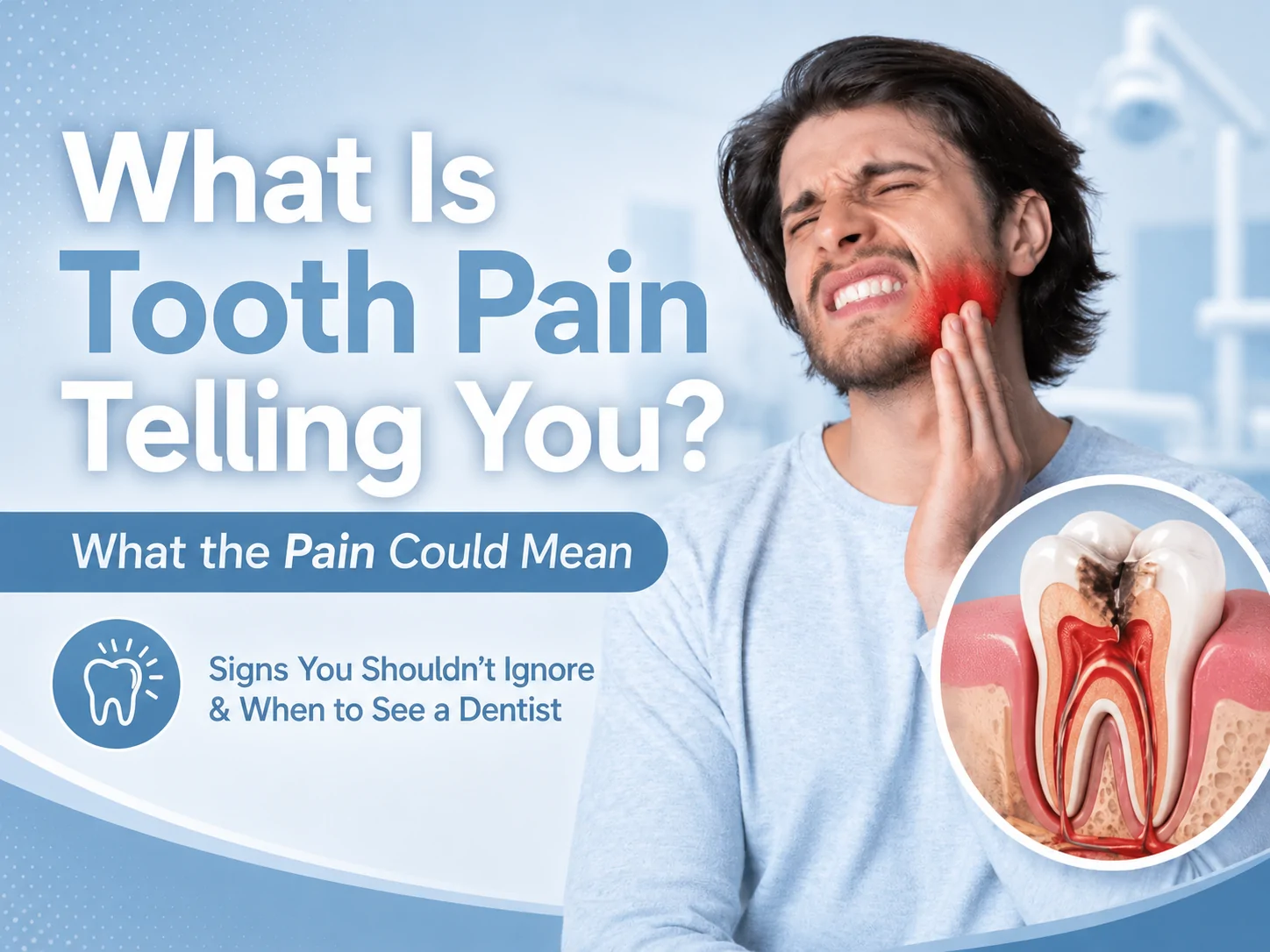
Tooth pain isn’t something to brush off.
Sometimes it starts as a mild discomfort when you sip something cold… other times it shows up as a sharp, persistent ache that won’t let you focus. Either way, your body is sending a message—and it’s important to listen.
Understanding what your tooth pain could mean can help you take action early, avoid bigger problems, and protect your long-term oral health.
What Tooth Pain Might Be Telling You
Not all tooth pain is the same. The type, timing, and intensity can reveal what’s going on beneath the surface.
🔹 Sharp Pain When Eating or Drinking

If you feel a quick, sharp pain when consuming hot, cold, or sweet foods, it could be a sign of:
- Tooth sensitivity
- Early tooth decay
- Worn enamel
This kind of pain may seem minor, but it can worsen over time if left untreated.
🔹 Constant, Throbbing Pain
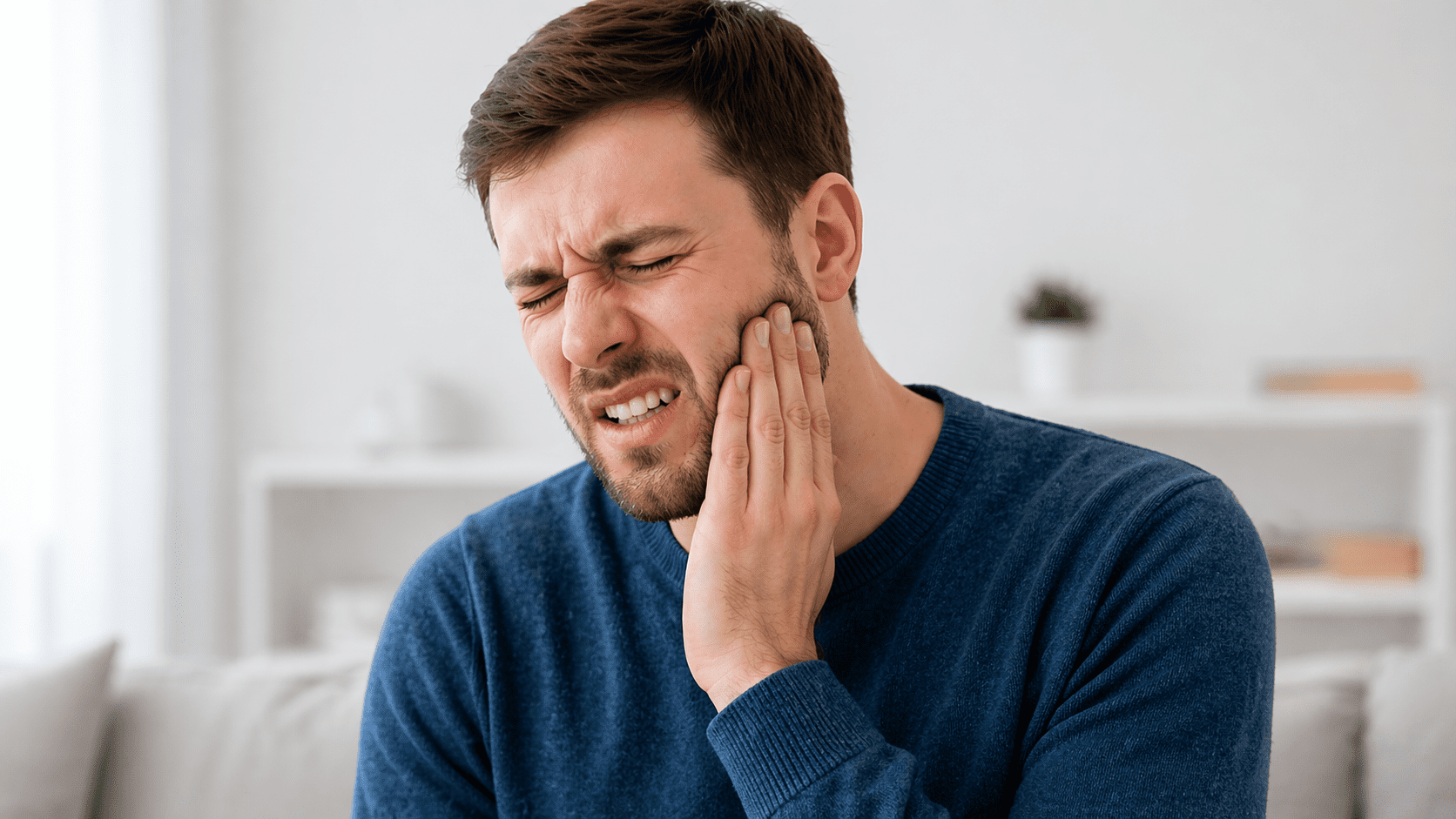
A steady, pulsing toothache is often a sign of something more serious, such as:
- An infection
- Deep decay
- An abscess
This type of pain usually doesn’t go away on its own—and waiting can lead to more complex treatment.
🔹 Pain When Biting or Chewing

Discomfort when applying pressure could indicate:
- A cracked tooth
- A loose filling or crown
- Advanced decay
Even if the pain comes and goes, it’s worth getting checked before the damage progresses.
🔹 Swelling or Tender Gums
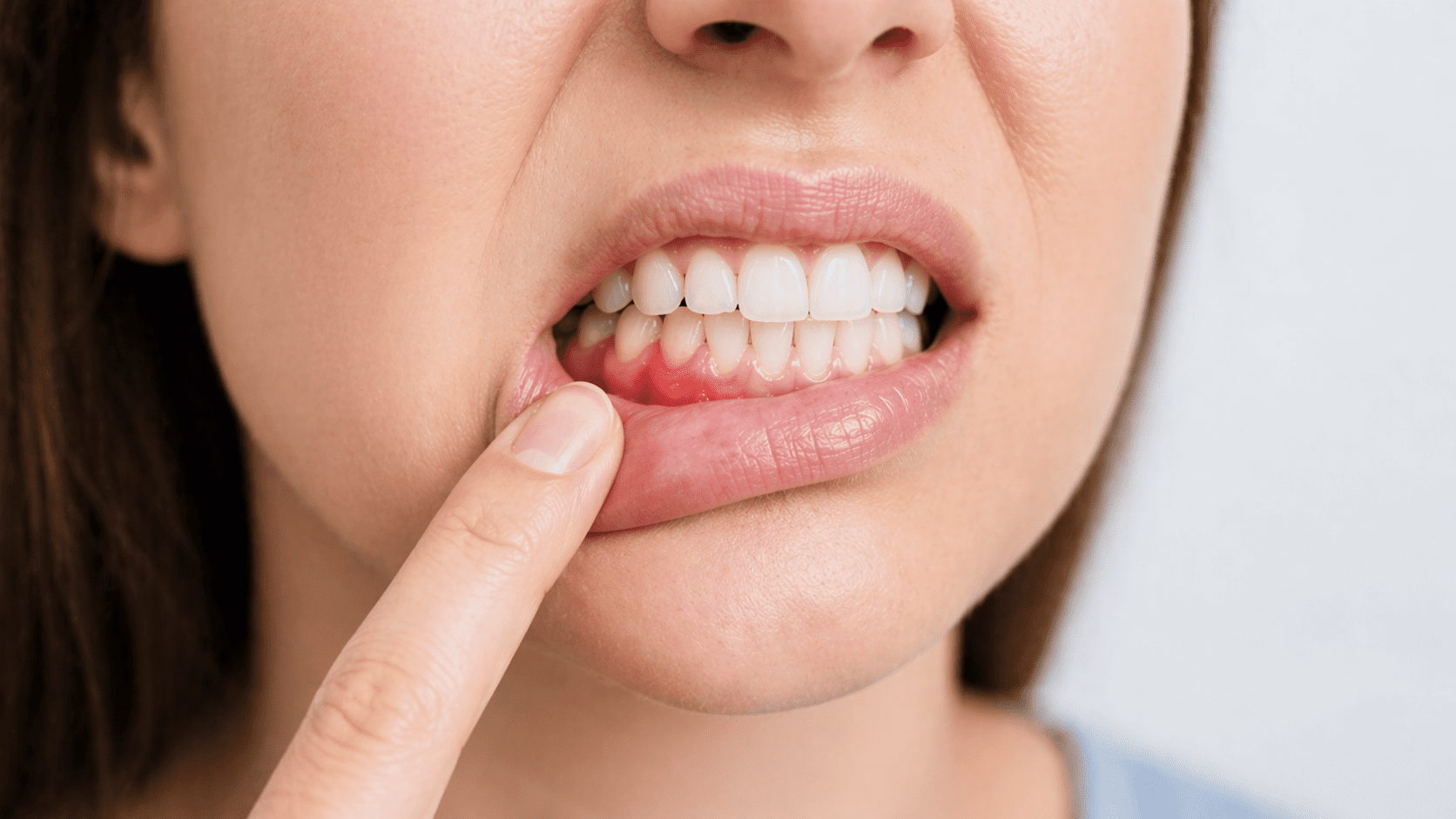
If your tooth pain is paired with swelling, redness, or a bad taste in your mouth, it may point to:
- Gum disease
- Infection
These symptoms should never be ignored, as they can affect more than just your oral health.
🔹 Pain That Radiates to Your Jaw or Ear

Tooth pain that spreads beyond the tooth itself may be linked to:
- Impacted teeth
- Nerve-related issues
- More advanced infections
This is your body’s way of signaling that something deeper needs attention.
When Should You See a Dentist?

It’s always better to be safe than sorry. You should book a dental visit if you experience:
- Pain lasting more than 1–2 days
- Swelling in your face or gums
- Fever or signs of infection
- Difficulty chewing or opening your mouth
Early care can often mean simpler, more comfortable treatment.
Why Early Treatment Matters

Ignoring tooth pain doesn’t make it go away—it usually makes things worse.
By addressing the issue early, you can:
- Prevent more serious dental problems
- Avoid more invasive procedures
- Reduce discomfort quickly
- Protect your natural teeth
At Tooth Harmony, the focus is always on gentle, personalized care—so you can feel comfortable every step of the way.
Listen to Your Smile

Tooth pain is your body’s way of asking for attention. The sooner you respond, the easier it is to restore your comfort and keep your smile healthy.
If something doesn’t feel right, trust that instinct—it’s always worth checking.
Book Your Visit Today
Don’t ignore the signs your smile is giving you.
📅 Book your checkup at www.toothharmony.com
