
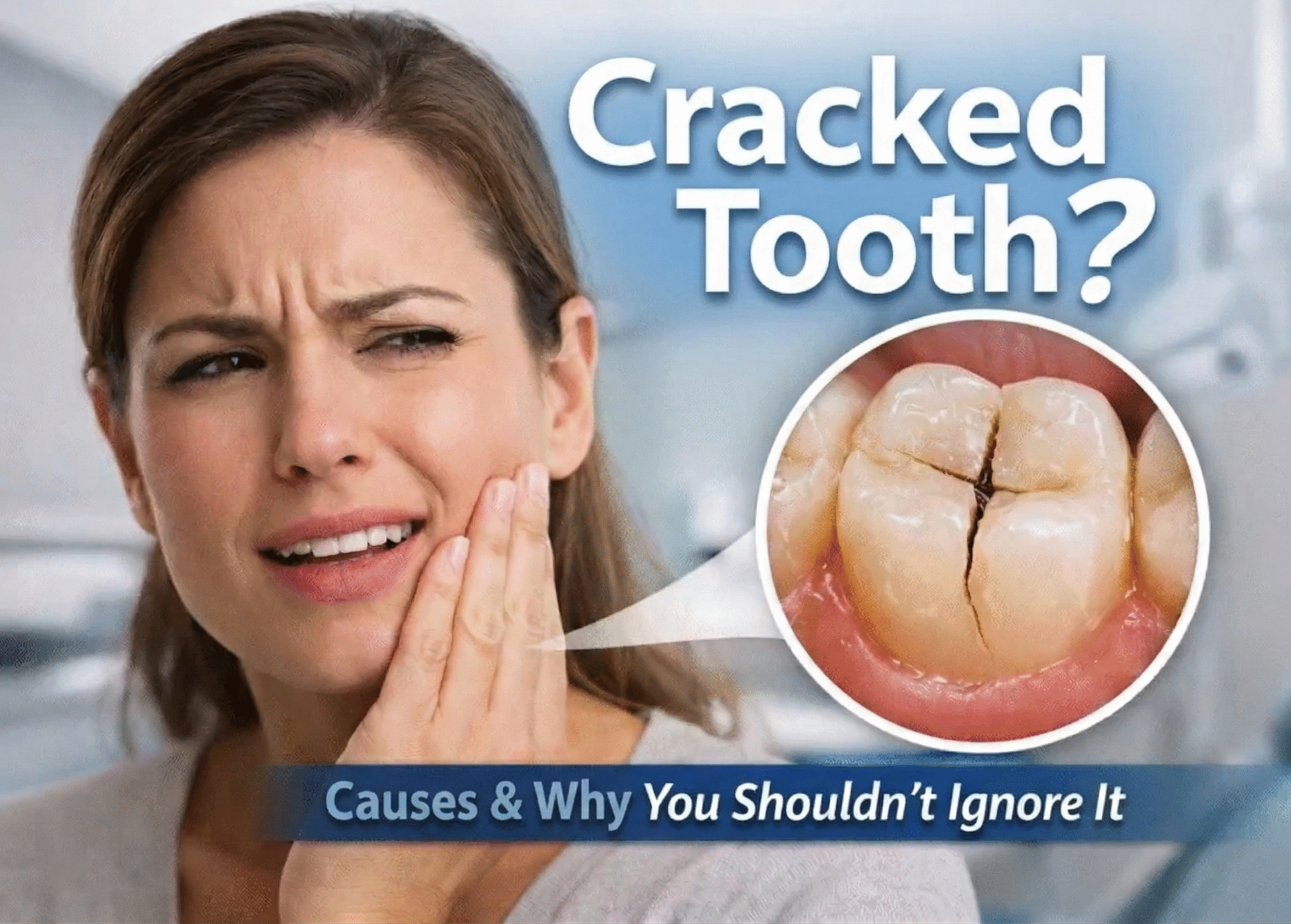
Biting into something hard and suddenly feeling a sharp pain? Noticing a small line in your tooth that wasn’t there before? Cracked teeth are more common than many people realize — and they don’t always happen from a dramatic injury.
At Tooth Harmony in Niagara Falls, we often see patients who are unsure whether a crack is serious or something that can wait. The truth is, even small cracks can worsen over time if left untreated.
Here’s what you need to know about cracked teeth, how they happen, and what to do next.
What Is a Cracked Tooth?
A cracked tooth occurs when a fracture forms in the enamel or deeper layers of the tooth. Cracks can range from tiny surface lines (called craze lines) to more serious fractures that extend into the inner tooth structure.
Some cracks are harmless. Others can lead to pain, infection, or structural damage if not treated early.
Common Causes of Cracked Teeth
Many everyday habits can put stress on your teeth over time. Common causes include:
Biting down on hard foods like ice, nuts, or hard candy
Teeth grinding or clenching (especially at night)
Large fillings that weaken tooth structure
Sudden temperature changes (very hot food followed by cold drinks)
Sports injuries or accidental trauma
Natural ageing and long-term wear
Often, cracks develop gradually from repeated pressure rather than one single event.
Signs You May Have a Cracked Tooth
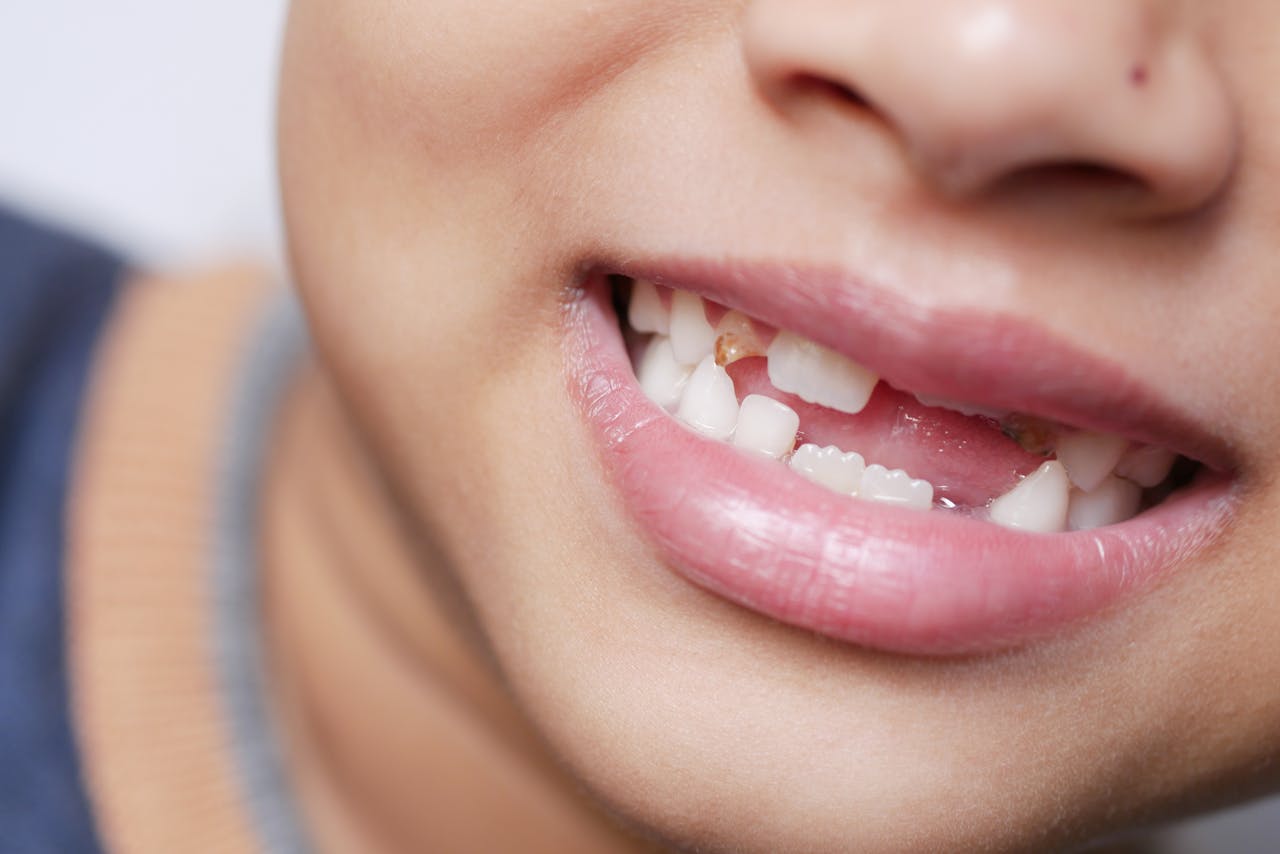
Not all cracks are visible, and symptoms can be inconsistent. You may notice:
Sharp pain when biting down
Sensitivity to hot or cold
Pain that comes and goes
Swelling around the affected tooth
Discomfort when releasing pressure after chewing
Because symptoms can be subtle, cracked teeth are sometimes difficult to diagnose without a professional exam.
Why You Shouldn’t Ignore a Crack
Even a small crack can deepen over time. When a crack reaches the inner pulp of the tooth, bacteria can enter and cause infection. In more advanced cases, the tooth may require more extensive treatment to restore function and comfort.
Addressing a crack early often means simpler treatment and better long-term outcomes.
Treatment Options for Cracked Teeth
At Tooth Harmony in Niagara Falls, treatment depends on how deep and extensive the crack is.
Options may include:
Dental Bonding
For small surface cracks, tooth-coloured bonding material can help restore appearance and protect the enamel.
Dental Crown
If the crack affects the structure of the tooth, a crown may be recommended to cover and protect it from further damage.
Root Canal Treatment
If the inner pulp becomes inflamed or infected, root canal treatment may be necessary to preserve the remaining tooth structure.
Extraction
In rare cases where a crack extends below the gumline and cannot be repaired, removal may be considered.
Our team will always explain your options clearly so you understand what’s recommended and why.
How to Reduce the Risk of Cracked Teeth
While not all cracks can be prevented, you can lower your risk by:
Avoiding chewing ice or hard candies
Wearing a mouthguard during sports
Using a custom night guard if you grind your teeth
Visiting your dentist regularly to monitor fillings and enamel wear
Avoiding using your teeth to open packages
Small habits can make a big difference in protecting your smile.
Cracked Tooth Care in Niagara Falls
If you suspect you have a cracked tooth, it’s best not to wait. Early evaluation allows us to determine the extent of the damage and recommend appropriate care before the problem worsens.
At Tooth Harmony, we provide thorough dental exams and restorative treatments designed to protect your comfort and long-term oral health.
📞 Book your appointment today at www.toothharmony.com or call our Niagara Falls dental office.
A small crack today doesn’t have to become a bigger problem tomorrow — and we’re here to help you take care of it early.
