
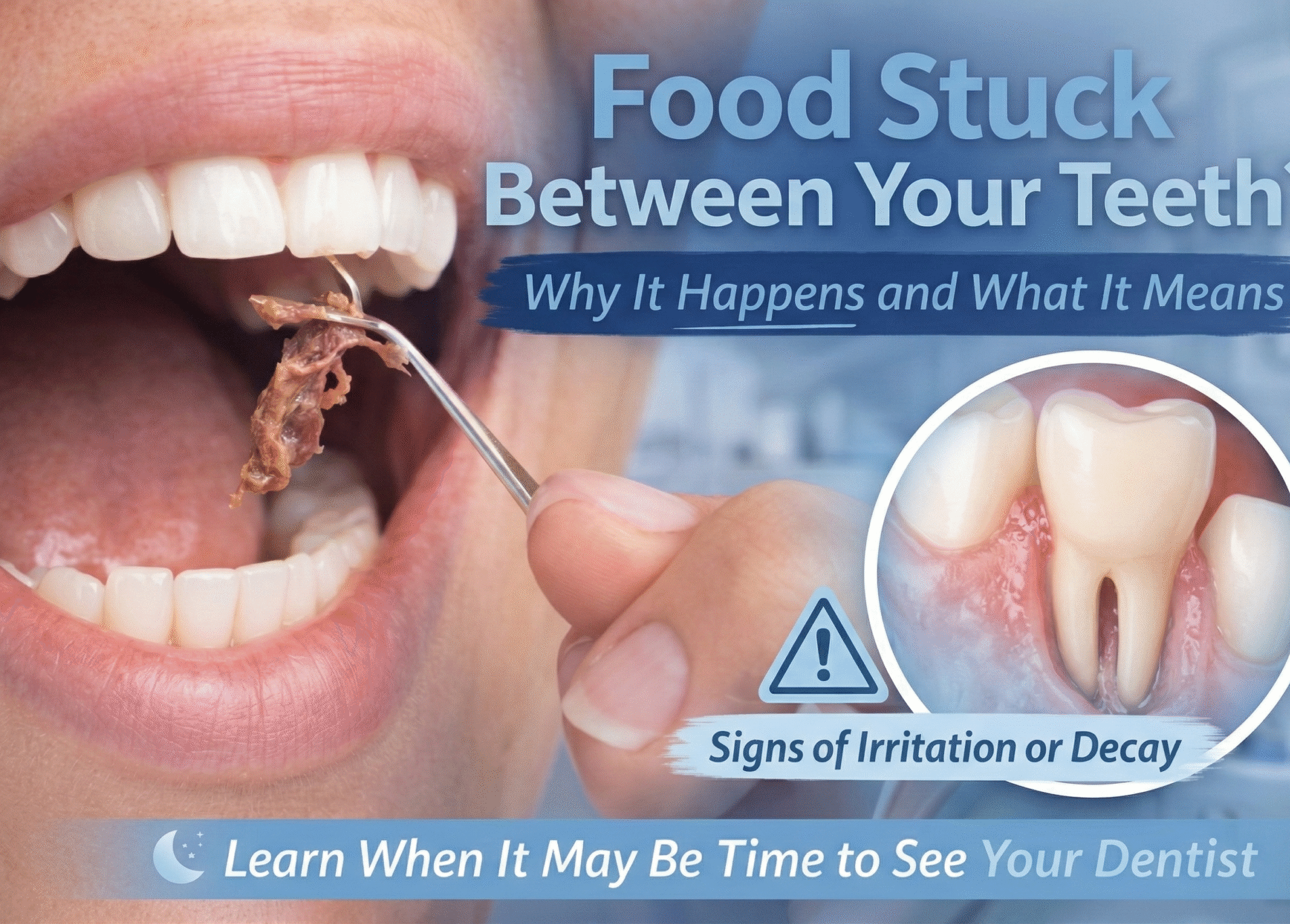
We’ve all been there — finishing a meal and suddenly feeling something wedged between two teeth. Sometimes floss fixes it right away. Other times, the same spot keeps trapping food again and again.
At Tooth Harmony in Niagara Falls, recurring food traps are something we hear about often. While it may seem minor, persistent food getting stuck between teeth can sometimes signal changes in your oral health.
Here’s why it happens and when it’s worth mentioning to your dentist.
Why Does Food Get Stuck in Certain Spots?
Food impaction (the clinical term for food getting stuck) usually occurs when there’s space between teeth or changes in how they contact each other.
Common causes include:
Small gaps between teeth
Shifting teeth over time
Worn or loose fillings
Gum recession
Bite changes
Crowns or restorations that no longer fit perfectly
When teeth no longer touch properly, tiny spaces form — and food can easily lodge there.
Why Some Foods Get Stuck More Than Others
Certain textures are more likely to get trapped, including:
Fibrous meats
Popcorn kernels
Seeds
Leafy greens
Nuts
Sticky foods
If you notice one specific tooth always traps food, it may not be random.
Why Repeated Food Traps Matter
Occasional food impaction is normal. However, repeated trapping in the same area can lead to:
Gum irritation
Bad breath
Localised swelling
Tenderness between teeth
Increased cavity risk
When food remains lodged, bacteria multiply in that space, which can affect both the tooth and surrounding gum tissue.
What You Should (and Shouldn’t) Do
If food gets stuck:
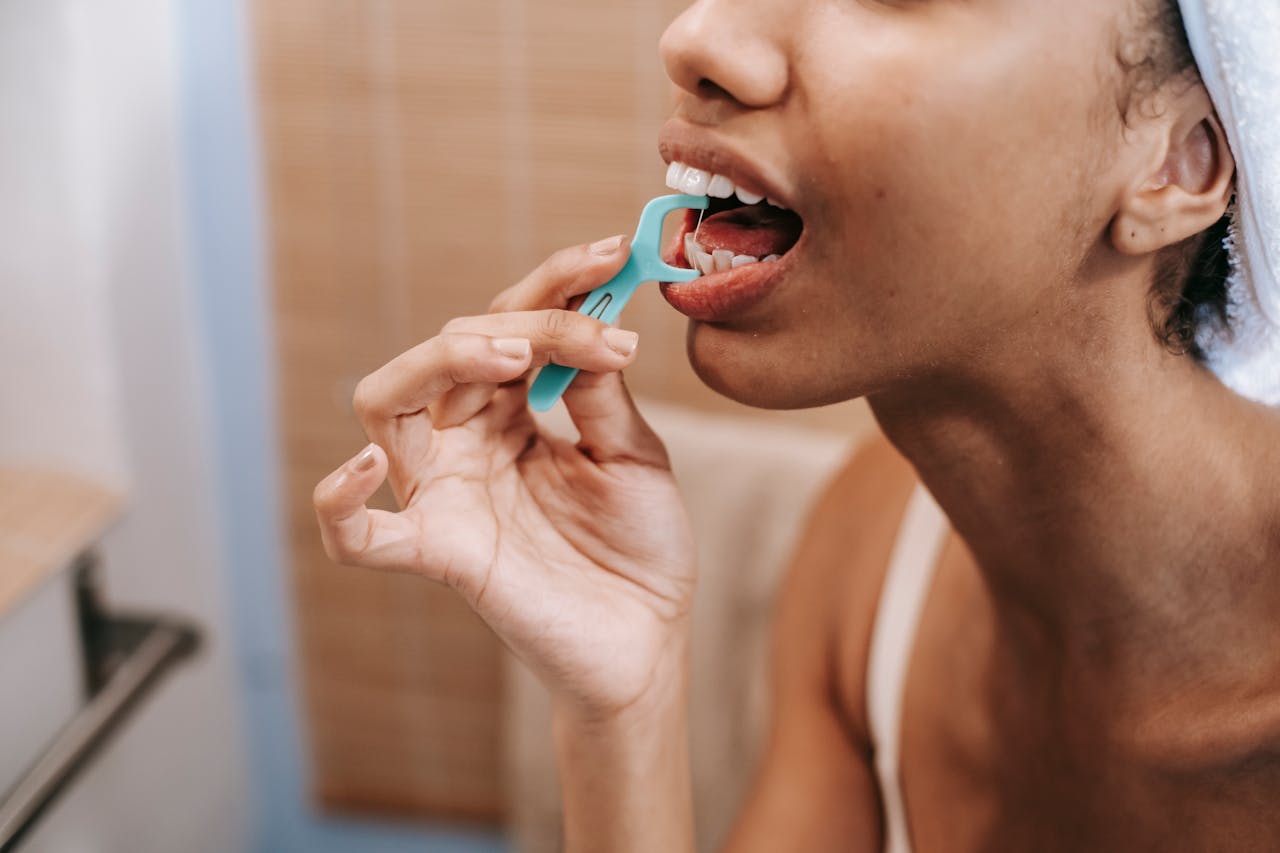
✔ Gently floss to remove it
✔ Rinse with water
✔ Use an interdental brush if recommended
✔ Maintain regular brushing
Avoid:
✖ Using sharp objects like pins or knives
✖ Forcing floss aggressively (this can damage gum tissue)
If floss shreds repeatedly in the same area, that’s also worth mentioning to your dentist.
What Your Dentist Looks For
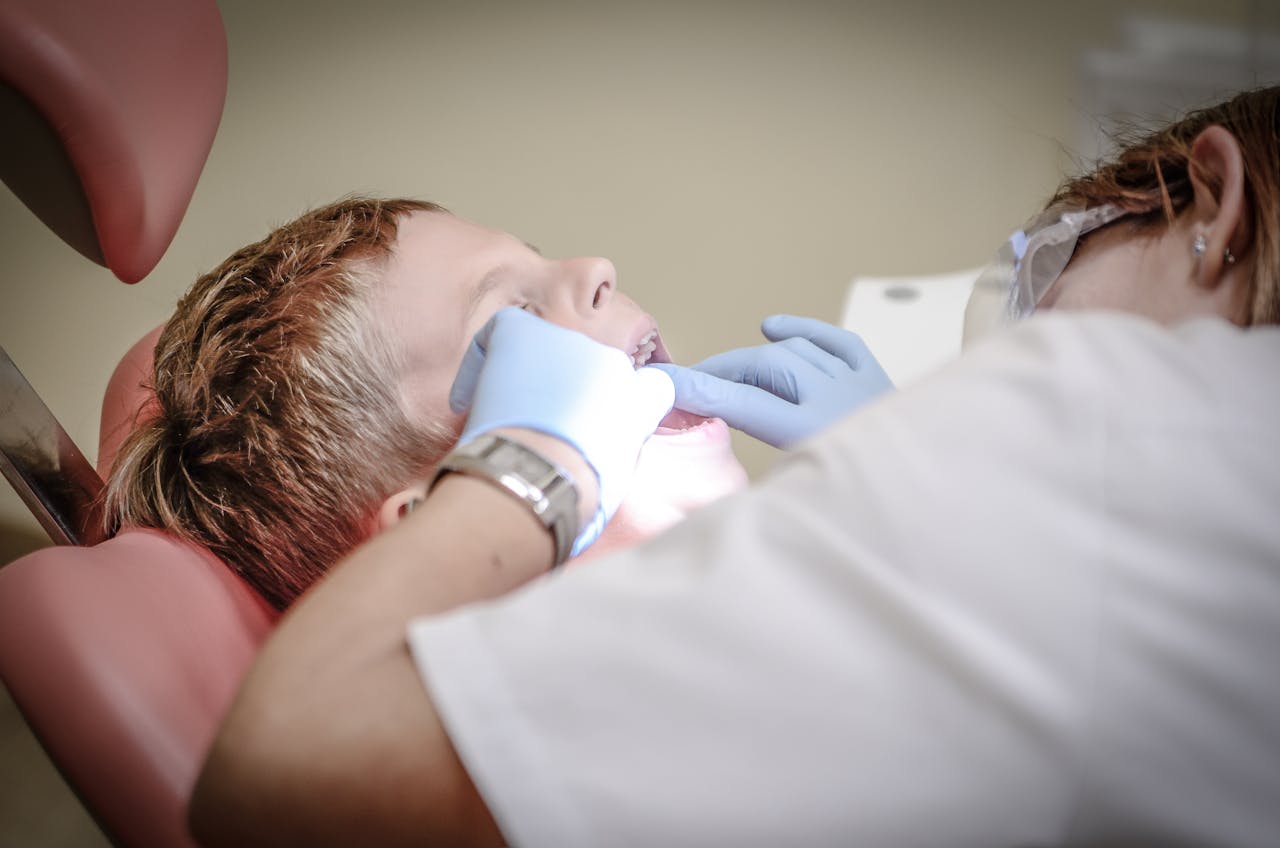
During your exam at Tooth Harmony in Niagara Falls, we may check for:
Open contacts between teeth
Worn fillings
Margins around crowns
Early signs of decay
Gum pocket depth
Bite alignment changes
Even small adjustments can sometimes improve how teeth fit together and reduce trapping.
Possible Solutions
Treatment depends on the cause. Options may include:
Replacing or adjusting a filling
Refining a crown margin
Orthodontic evaluation if shifting is significant
Gum care treatment if inflammation is present
Monitoring if minor and not causing damage
Often, early intervention prevents more complex issues later.
When to Book an Appointment
Call your dentist if:
Food consistently gets stuck in the same place
You notice swelling or bleeding in that area
Floss tears repeatedly
There’s tenderness when chewing
Persistent food impaction is usually fixable — but it’s best not to ignore it.
Dental Care in Niagara Falls
At Tooth Harmony, we pay attention to the small details — because small changes in your mouth can affect long-term oral health.
If something as simple as trapped food is bothering you, we’re happy to evaluate it and provide clear guidance.
📞 Schedule your next visit at www.toothharmony.com or contact our Niagara Falls dental office today.
Sometimes the little annoyances are worth checking — and we’re here to help keep your smile comfortable and healthy.
