

Your dental appointment is tomorrow, and you suddenly feel tempted to scrub extra hard, skip breakfast or search online for a long list of foods to avoid. Sound familiar? Preparing for a dental visit can be much simpler than that.
The most useful steps are keeping up gentle oral care, sharing accurate health information and following instructions for your particular appointment. Here are six things to avoid so you can arrive informed and ready for your visit.
First, check what is booked. A routine examination or cleaning has different preparation needs from treatment involving sedation or general anaesthesia. Your dental team’s individual instructions take priority over general advice.
toothharmony.com | Patient Education
Avoid aggressive last-minute brushing and flossing
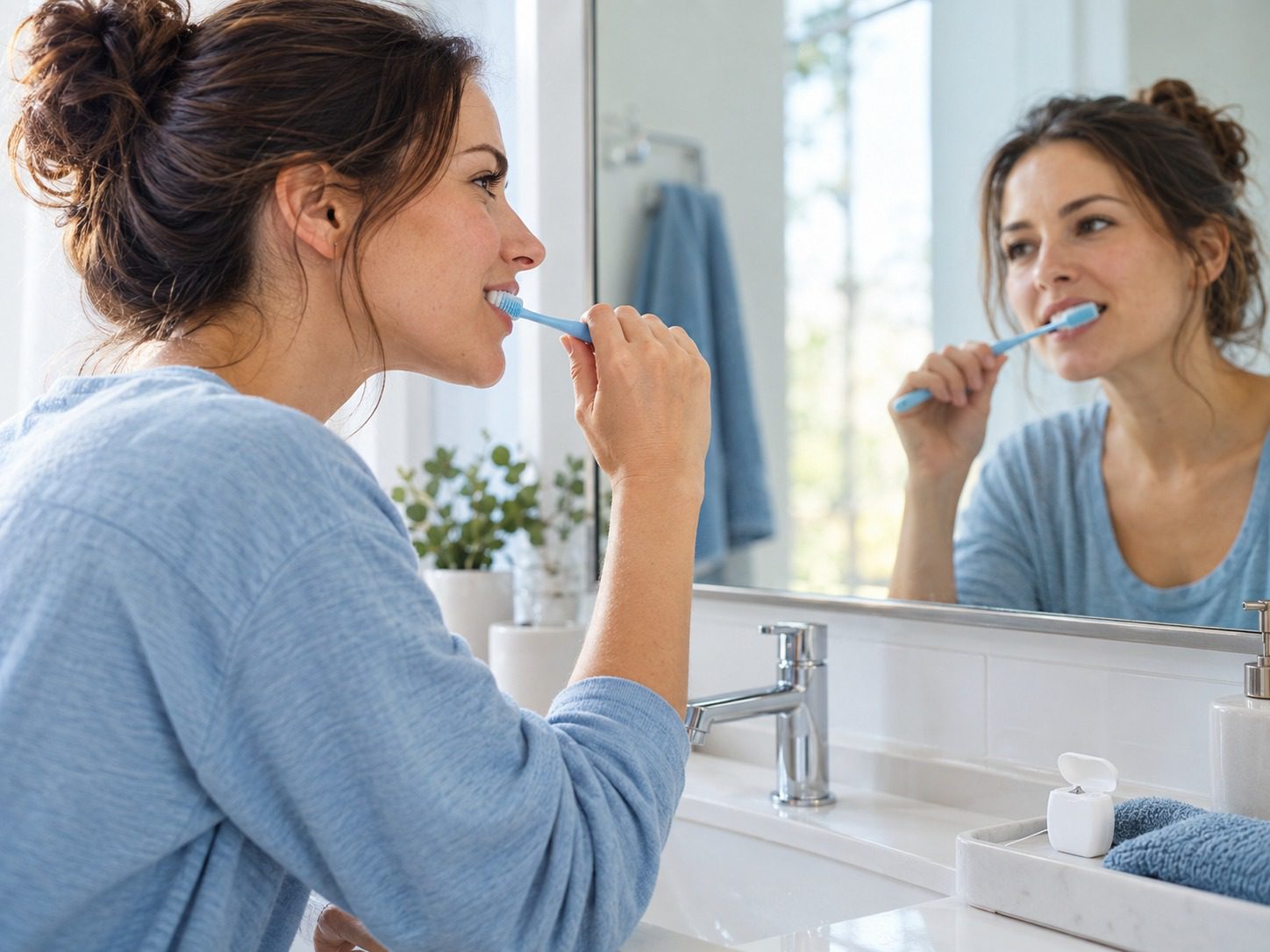
It is natural to want your teeth to feel especially clean before an appointment. But scrubbing harder can damage enamel and irritate your gums. Use a soft-bristled toothbrush, fluoride toothpaste and gentle strokes instead. Clean between your teeth carefully without snapping floss into your gums. [1]
Keep your usual oral hygiene routine rather than trying to make up for missed brushing in one session. Hardened plaque, called tartar, needs professional removal; extra pressure at home will not remove it safely. [2]
If your gums bleed or a tooth feels sensitive, mention it at your visit. These details help your dental team understand what you have been experiencing. You do not need to arrive with a perfect smile to deserve care.
Your next step: Brush gently and bring your questions—not a last-minute scrubbing marathon.
toothharmony.com | Patient Education
Avoid guessing about eating, drinking or fasting

Do not assume every dental visit requires an empty stomach. For an ordinary examination or cleaning without sedation, fasting is generally unnecessary unless your dental team has instructed otherwise. Ask the office if you are unsure what your appointment involves.
Sedation and general anaesthesia are different. You may receive specific instructions about when to stop eating and drinking, and the rules depend on the technique and your health. Follow the instructions from the team providing your care; a fasting schedule from another clinic or an online article may not apply to you. [3, 4]
If you accidentally eat or drink outside the permitted times, tell the office before treatment starts. Let the team decide whether it is safe to proceed. If you have diabetes or medicines tied to meals, ask for an individual preparation plan rather than changing things yourself.
Your next step: Confirm your appointment instructions before changing your meals or drinks.
toothharmony.com | Patient Education
Avoid using alcohol, cannabis or extra sedatives to relax

A drink, cannabis product or someone else’s calming medication may seem like a quick way to settle nerves. These are not safe substitutes for discussing anxiety with your dental team. Cannabis can affect medicines and anaesthetics used during dental treatment, and the Ontario Dental Association recommends avoiding it before a procedure. [5]
Do not take an unprescribed sedative or add an extra dose of a prescribed one to get through the appointment. If sedation is planned, follow the provider’s restrictions on alcohol, recreational drugs and other medicines exactly. [4]
If you have already used any of these substances, tell the office what you took and when. The team may need to change the plan or reschedule for safety. For prescribed medical cannabis or sedating medicines, ask your treating clinicians for instructions in advance.
Your next step: Ask about safe ways to manage nerves before the day of treatment.
toothharmony.com | Patient Education
Avoid leaving out health information or changing medicines yourself

Your dental team needs to know more than whether a tooth hurts. Bring an up-to-date list of prescription medicines, over-the-counter products and supplements, including doses when possible. Mention allergies, recent illnesses, new diagnoses and any changes since your last visit. [6]
Tell the team if you are pregnant or may be pregnant, and describe any previous problems with dental treatment or anaesthesia. Even a medicine that seems unrelated to your mouth can affect treatment planning. [6, 7]
Do not stop a blood thinner, diabetes medicine or another prescribed treatment just because you have a dental appointment. Any adjustment should come from the clinicians responsible for your care. If you are unsure how to take a medicine while following fasting instructions, contact the office beforehand. [4]
Your next step: Bring a complete health history and confirm any medication changes with your care team.
toothharmony.com | Patient Education
Avoid keeping dental anxiety to yourself

Worry about discomfort, sounds or a previous experience can make an appointment feel bigger than it needs to be. Tell the office when you book, rather than waiting until treatment is underway. Being open gives the team a chance to discuss your concerns and how to support you. [8]
Ask what will happen during the visit and agree on a simple signal, such as raising your hand, if you need a pause. If you feel pain during treatment, speak up. You do not have to silently push through it. [8]
Slow breathing may help while you wait. You can also ask whether headphones are suitable during your appointment. The goal is to find practical supports that work for you, rather than letting embarrassment keep you from seeking care. [8]
Your next step: A short conversation about your worries can make the visit easier to approach.
toothharmony.com | Patient Education
Avoid rushing in without a plan

Check your appointment time, travel route and any forms the office has requested. Bring your medication list, relevant dental benefit information and a short note of the symptoms or questions you want to discuss. Give yourself enough time to arrive without a last-minute scramble.
If sedation is scheduled, confirm the escort, transport and supervision requirements in advance. Do not assume you can drive yourself home or return immediately to work or caring for dependants. The restrictions depend on the sedation used and your provider’s instructions. [7]
If you become unwell before your appointment, call the office and ask what to do. Let the team advise whether the visit should proceed. Likewise, call if you have lost your preparation instructions or cannot meet them. [7]
Your next step: Plan the practical details early so you can focus on your care.
toothharmony.com | Patient Education
Prepare for your next visit with Tooth Harmony Dental
Good preparation does not require an elaborate routine. Gentle oral care, honest communication and instructions matched to your treatment are a useful place to start.
Tooth Harmony Dental offers comprehensive examinations, cleanings and preventive dentistry, alongside a range of other dental services. If you have questions about your upcoming appointment, contact the team to confirm what you should do beforehand. [9]
Visit toothharmony.com or call (905) 354-9991 to request an appointment or ask about preparing for your booked visit. [9]
