
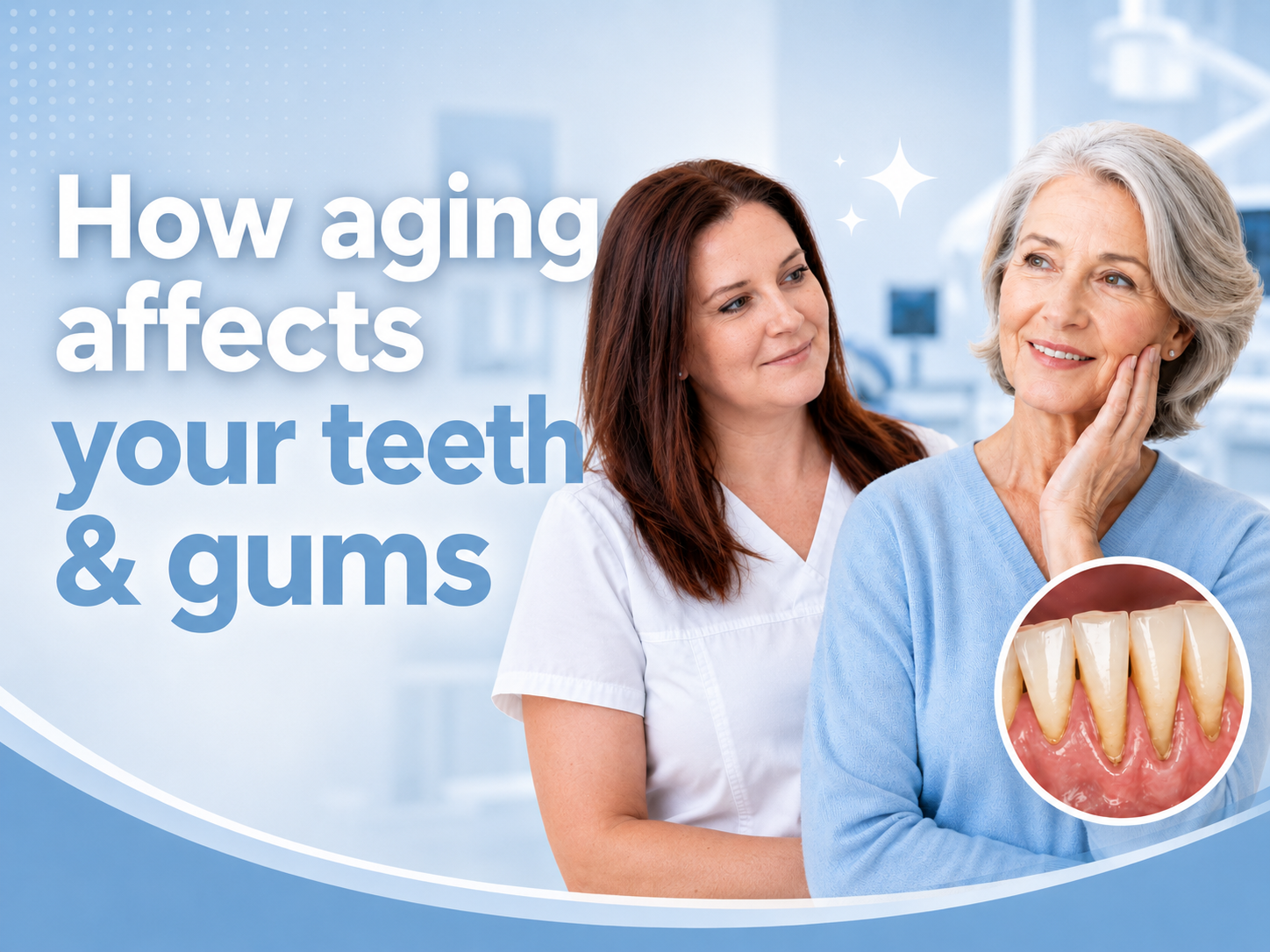
Aging brings a lot of changes to the body—and your mouth is no exception.
Over time, your teeth and gums can go through natural wear, shifting, sensitivity, and changes that make certain dental issues more common. That does not mean problems are guaranteed. It just means your oral health needs may change as the years go on.
At Tooth Harmony in Niagara Falls, we often remind patients that getting older does not mean losing your smile. With the right care, healthy habits, and regular dental visits, it is absolutely possible to keep your teeth and gums in strong shape for the long term.
Here’s what to know about how aging affects your teeth and gums—and what you can do about it.
How Aging Can Affect Your Oral Health

As you get older, the mouth can become more vulnerable to certain changes and conditions.
Some of the most common age-related oral health concerns include:
Worn enamel
Tooth sensitivity
Dry mouth
Gum recession
Increased cavity risk
Darkening or staining of teeth
Gum disease
Tooth wear from grinding or clenching
Changes in existing dental work like fillings or crowns
These issues may happen gradually, which is why many adults do not notice the changes right away.
Why Teeth Can Change with Age
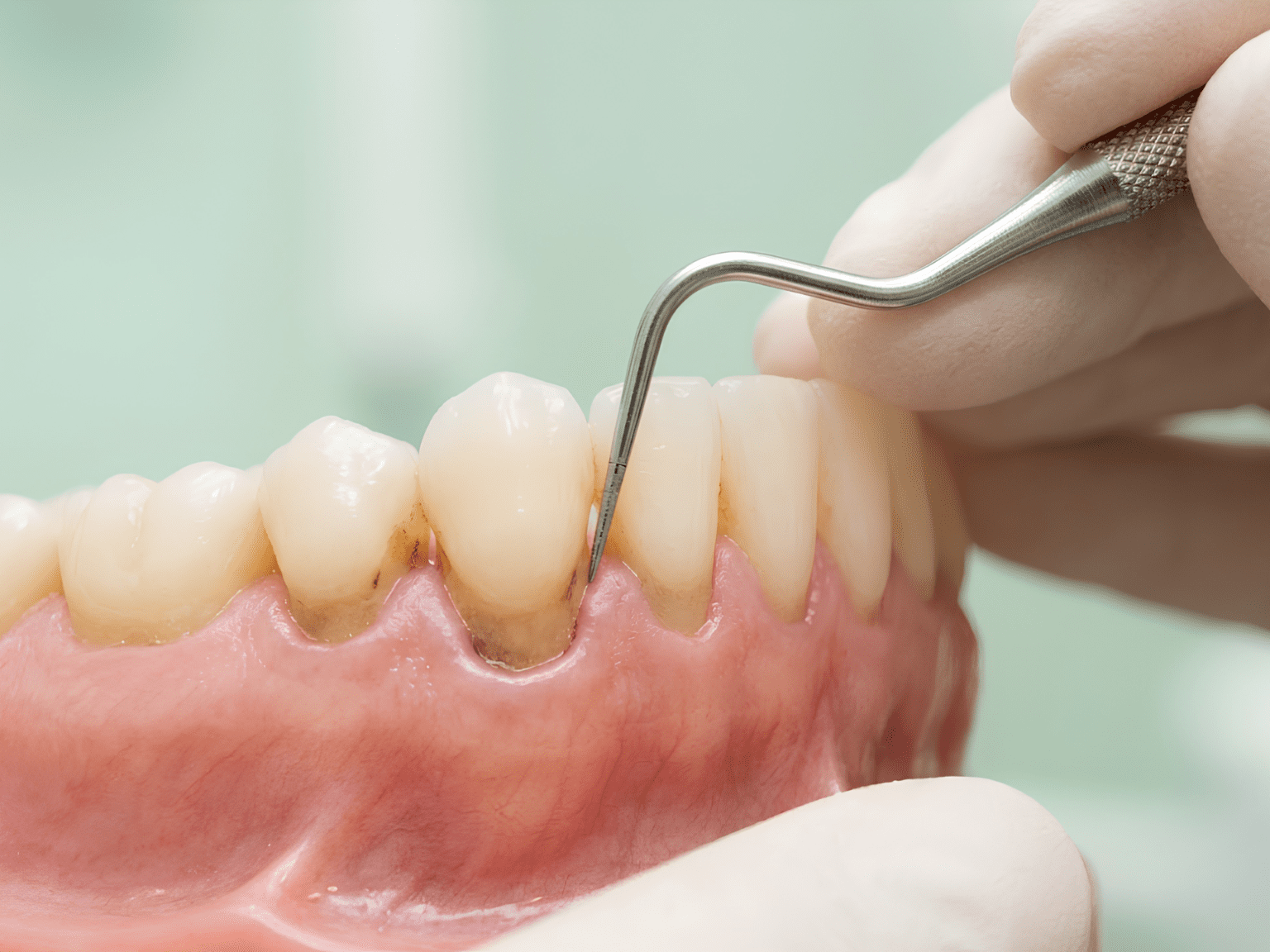
Your teeth go through years of daily use. Chewing, brushing, grinding, acidic foods, staining drinks, and general wear can all take a toll over time.
As a result, aging teeth may become:
More worn down
More sensitive
More prone to chips or cracks
Slightly darker or less bright
More affected by previous dental work wearing out
This does not always mean something is seriously wrong. But it does mean your teeth may need more attention and maintenance as you age.
Gum Recession and Aging
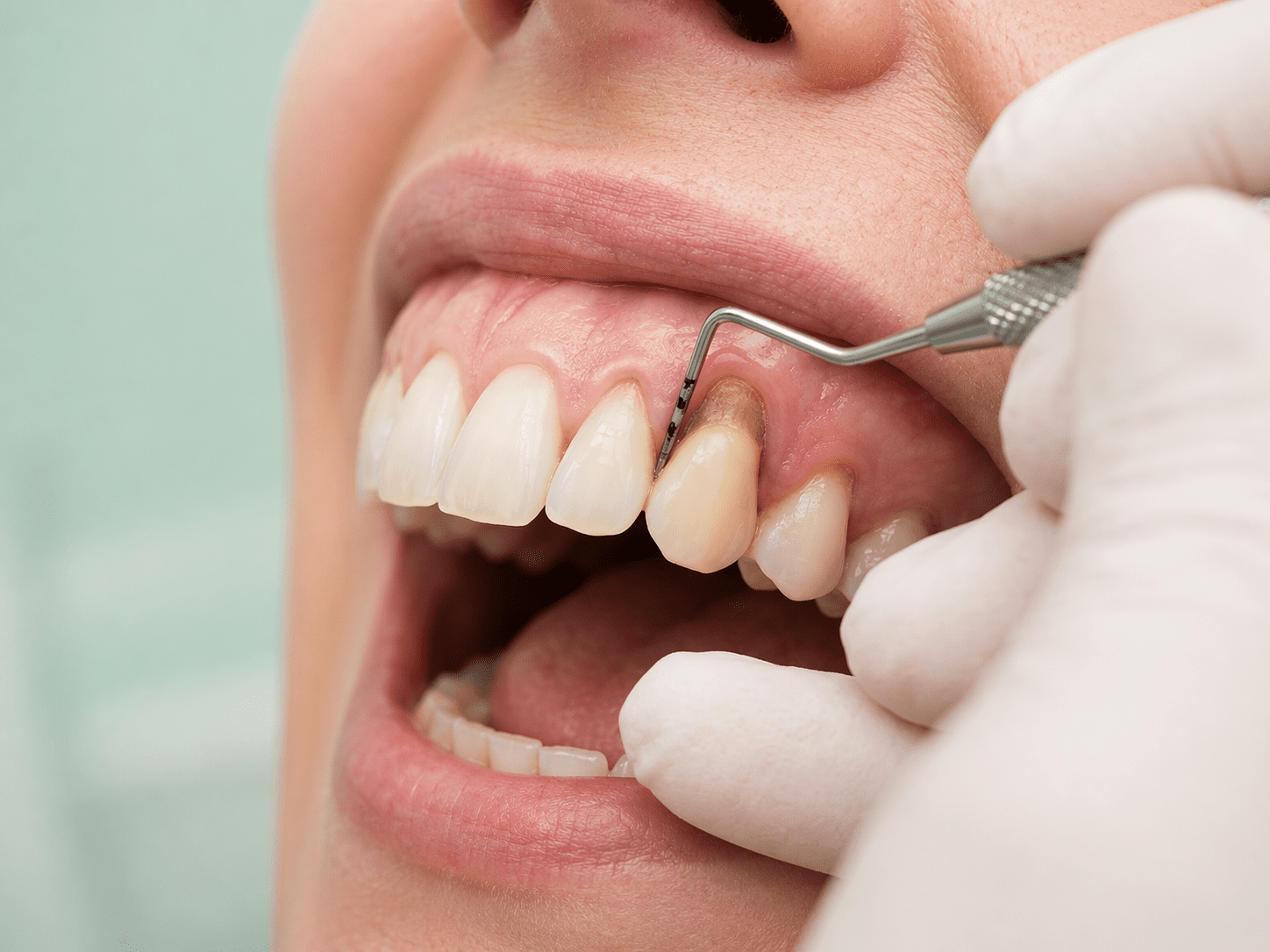
One of the most common concerns adults notice over time is gum recession.
This happens when the gumline slowly pulls back, exposing more of the tooth surface or even the root. When that happens, you may notice:
Teeth looking longer
Increased sensitivity
A higher risk of root decay
More irritation near the gumline
Gum recession can happen gradually and is often linked to a mix of aging, brushing habits, gum disease, and bite pressure.
It is not something to ignore, especially if you are starting to notice sensitivity or visible changes in your gumline.
Are Cavities More Common as You Age?
They can be.
Many people think cavities are mostly a childhood issue, but adults—especially older adults—can still get them. In fact, the risk may increase in some areas as you age.
This can happen because of:
Dry mouth
Receding gums
Plaque buildup around older dental work
More exposed root surfaces
Changes in oral hygiene habits
A long gap between dental visits
Cavities near the gumline or around existing fillings and crowns are especially worth watching.
Dry Mouth Can Become a Bigger Issue

Dry mouth is another common concern that becomes more noticeable with age.
Saliva plays an important role in protecting your teeth, washing away bacteria, and keeping the mouth comfortable. When the mouth becomes dry, you may notice:
A sticky or uncomfortable feeling
Bad breath
Trouble swallowing
Increased cavity risk
Irritated gums or tissues
Dry mouth can become more common with age for several reasons, including medications, health conditions, and lifestyle changes. Even if it feels like a small issue, it can have a big impact on your oral health.
Why Gums Need More Attention Over Time
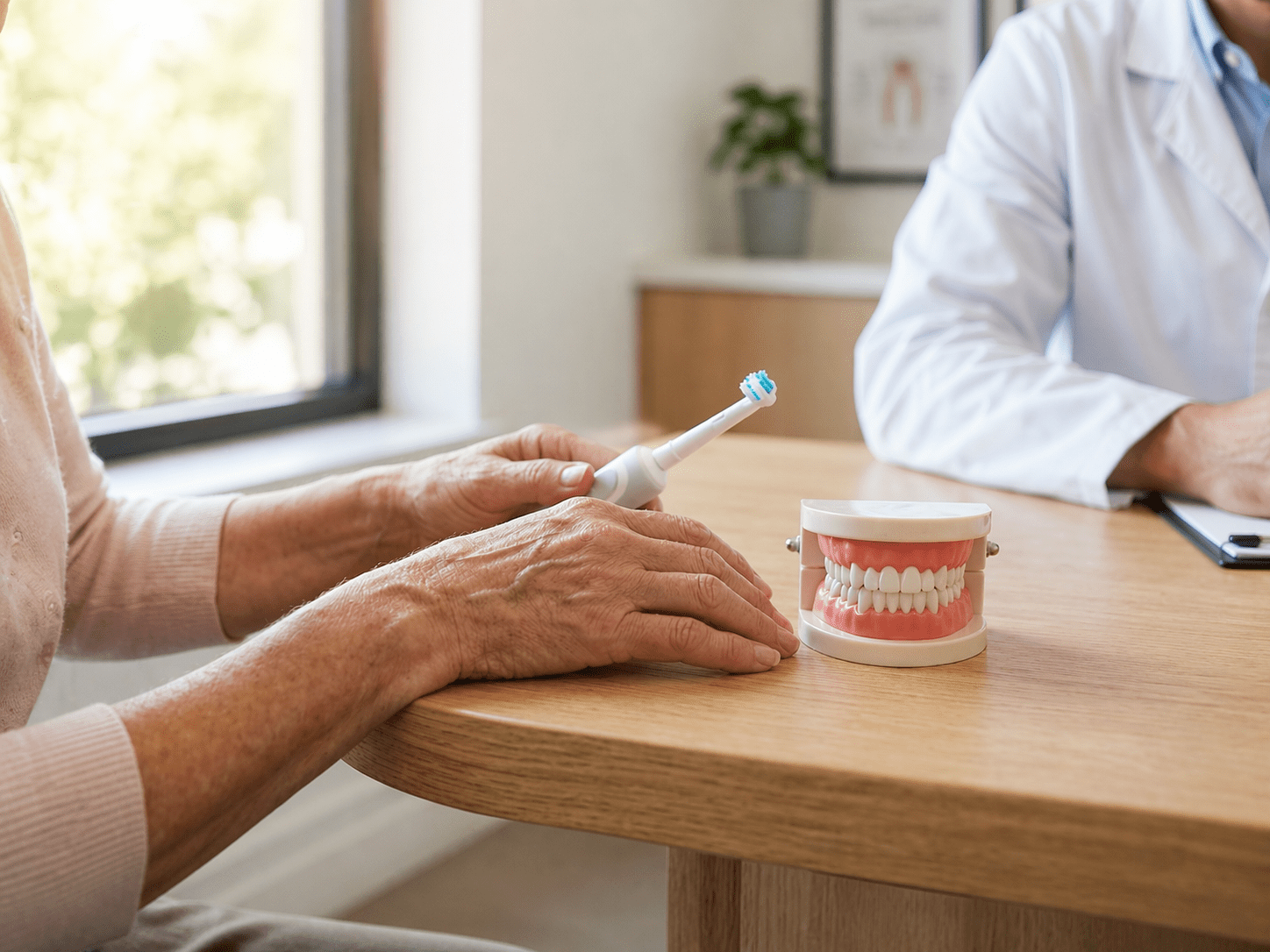
As you age, your gums may become more vulnerable to inflammation and disease if plaque is allowed to build up.
Warning signs to watch for include:
Bleeding when brushing or flossing
Swollen or tender gums
Receding gumlines
Persistent bad breath
Teeth feeling different or looser
A bad taste in the mouth
Healthy gums are essential for keeping your teeth supported. If gum disease develops and is left untreated, it can lead to bone loss and even tooth loss in more advanced cases.
That is why gum care matters just as much as caring for the teeth themselves.
Tooth Wear, Grinding, and Aging
Years of clenching, grinding, or everyday wear can slowly change the shape and strength of your teeth.
You may notice:
Flattened edges
Small chips
Sensitivity
Cracks
Pressure-related discomfort in the jaw
Some of this happens gradually enough that people do not realize it until a dentist points it out during an exam.
If you grind your teeth at night or clench during stress, that added pressure can become more significant over time.
Existing Dental Work May Need Re-Evaluation
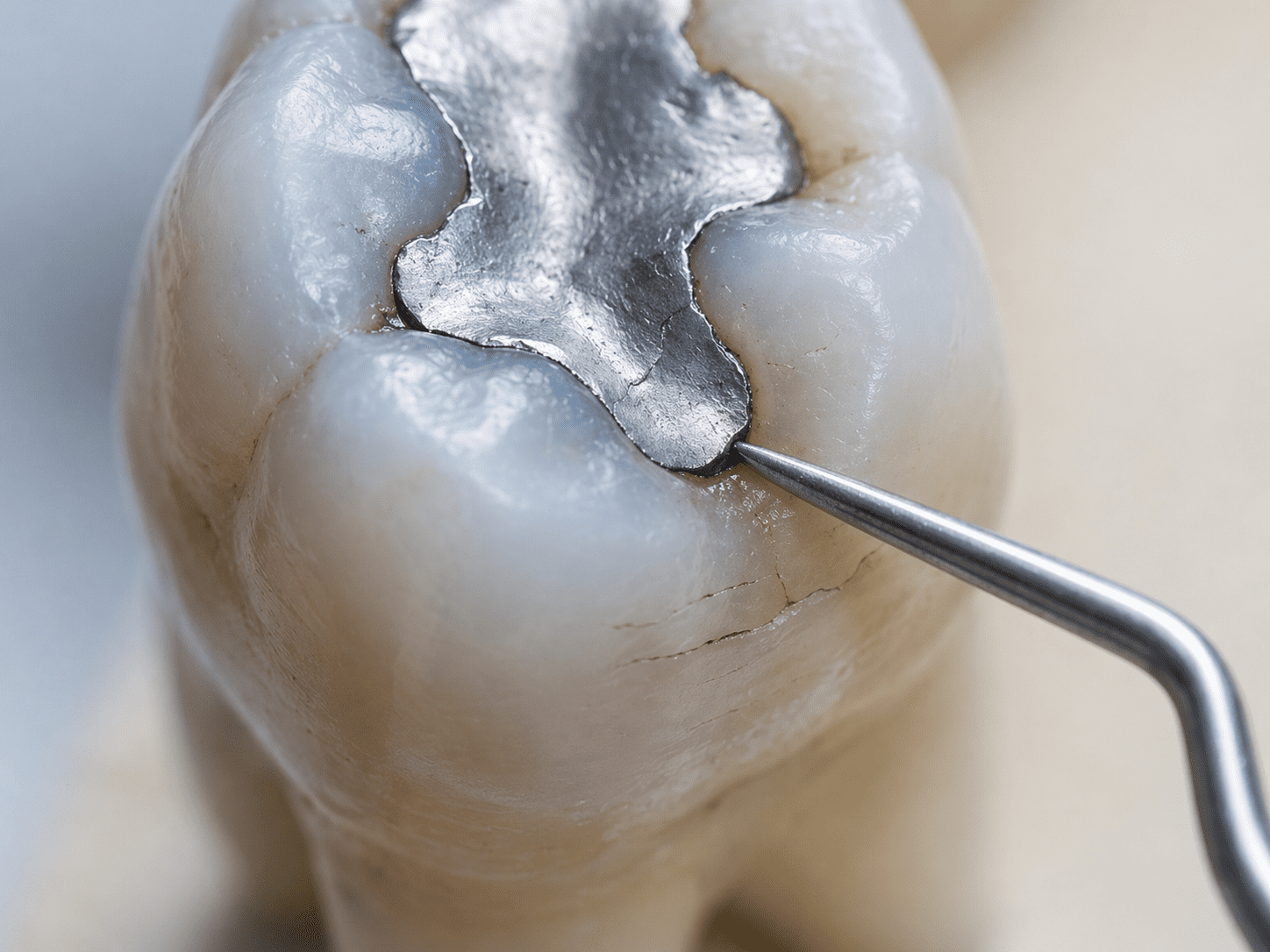
Aging does not only affect natural teeth. It can also affect fillings, crowns, bridges, and other restorations.
Over time, dental work can wear down, loosen, or develop small gaps around the edges. That may increase the risk of:
Decay around old fillings
Sensitivity
Bacteria getting trapped
Bite changes
Damage to surrounding tooth structure
That is one reason regular checkups matter, even if you are not in pain.
What You Can Do to Protect Your Teeth and Gums

The good news is that many age-related dental issues can be managed—or even prevented—with the right habits.
Here are some of the most important steps:
Brush thoroughly twice a day
Floss daily
Keep up with regular dental cleanings
Do not ignore bleeding gums or sensitivity
Stay aware of dry mouth symptoms
Ask about grinding or clenching if you notice jaw pain
Replace worn dental restorations when needed
Book regular exams, even if everything seems fine
Small, consistent habits make a big difference over time.
What Your Dentist Looks For
During your visit at Tooth Harmony in Niagara Falls, your dentist may check for:
Gum recession
Signs of gum disease
Plaque and tartar buildup
Root exposure
Tooth wear and enamel loss
Cracks or chips
Dry mouth patterns
Condition of older fillings or crowns
Bite pressure and grinding signs
These details matter because aging-related changes are often easier to manage when they are caught early.
When to Book an Appointment
It is a good idea to schedule a dental visit if you notice:
Increased tooth sensitivity
Bleeding gums
Receding gums
Dry mouth
Teeth looking darker, longer, or more worn
A loose or uncomfortable filling or crown
Jaw tension or signs of grinding
A long gap since your last exam or cleaning
You do not have to wait for a major issue before coming in. In many cases, preventive care is the best way to protect your smile as you age.
Dental Care in Niagara Falls
At Tooth Harmony, we believe your smile deserves support at every stage of life. Aging may change your oral health needs, but with the right care, you can continue protecting your teeth and gums for years to come.
If you have noticed sensitivity, gum changes, dry mouth, or other changes in your mouth, we are here to help you understand what is happening and what to do next.
Book your consultation with Tooth Harmony in Niagara Falls today at www.toothharmony.com and let’s help keep your smile healthy, comfortable, and cared for at every age.
