
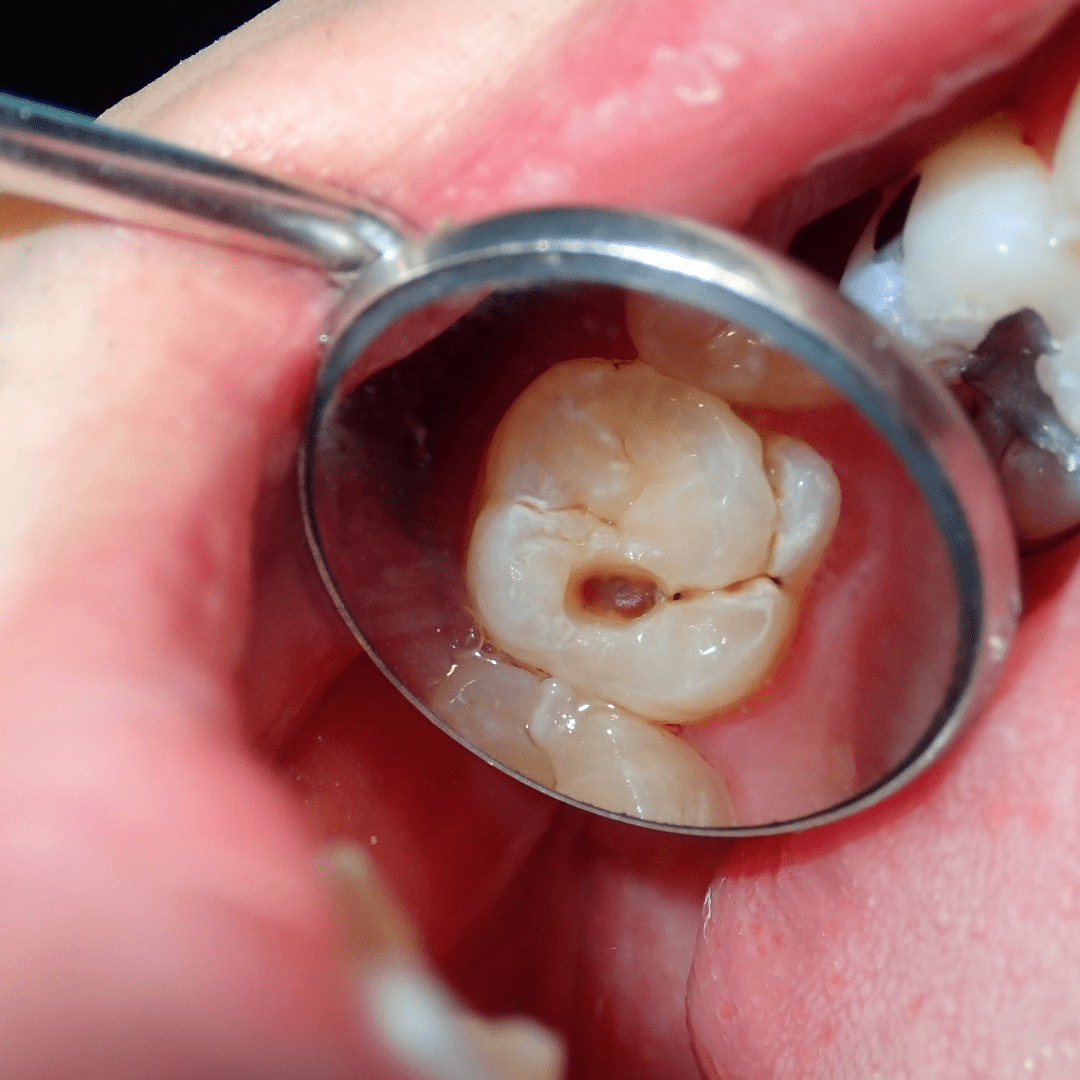
Understanding Tooth Decay: How Cavities Form and How Tooth Harmony Helps You Prevent Them
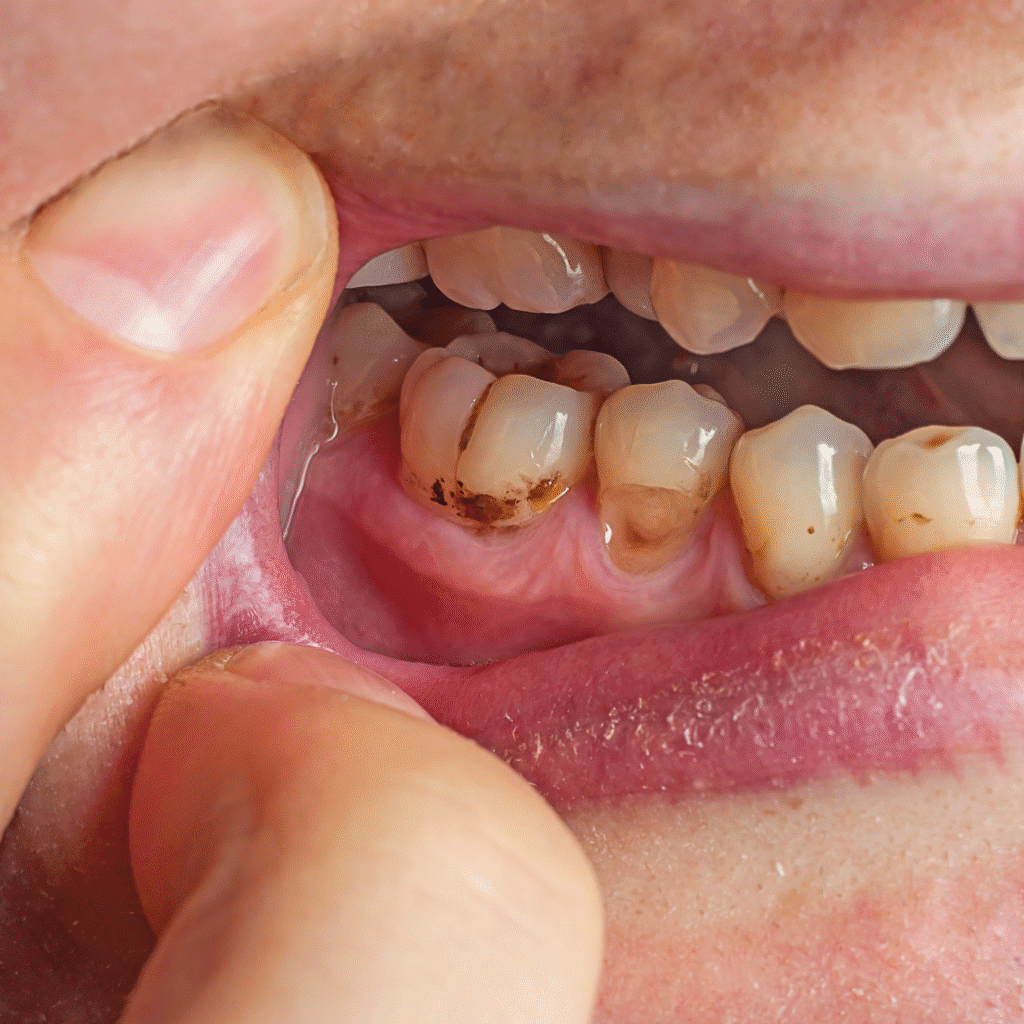
Tooth decay is one of the most common oral health issues worldwide — yet it’s also one of the most preventable. Whether it starts as a small spot on your enamel or develops into a deeper cavity, early detection and consistent care can make all the difference.
At Tooth Harmony in Niagara Falls, we see patients of all ages who are surprised to learn that tooth decay often begins quietly and painlessly. By understanding how cavities form, what warning signs to look for, and how to protect your enamel, you can help keep your smile healthy for years to come.
What Is Tooth Decay?
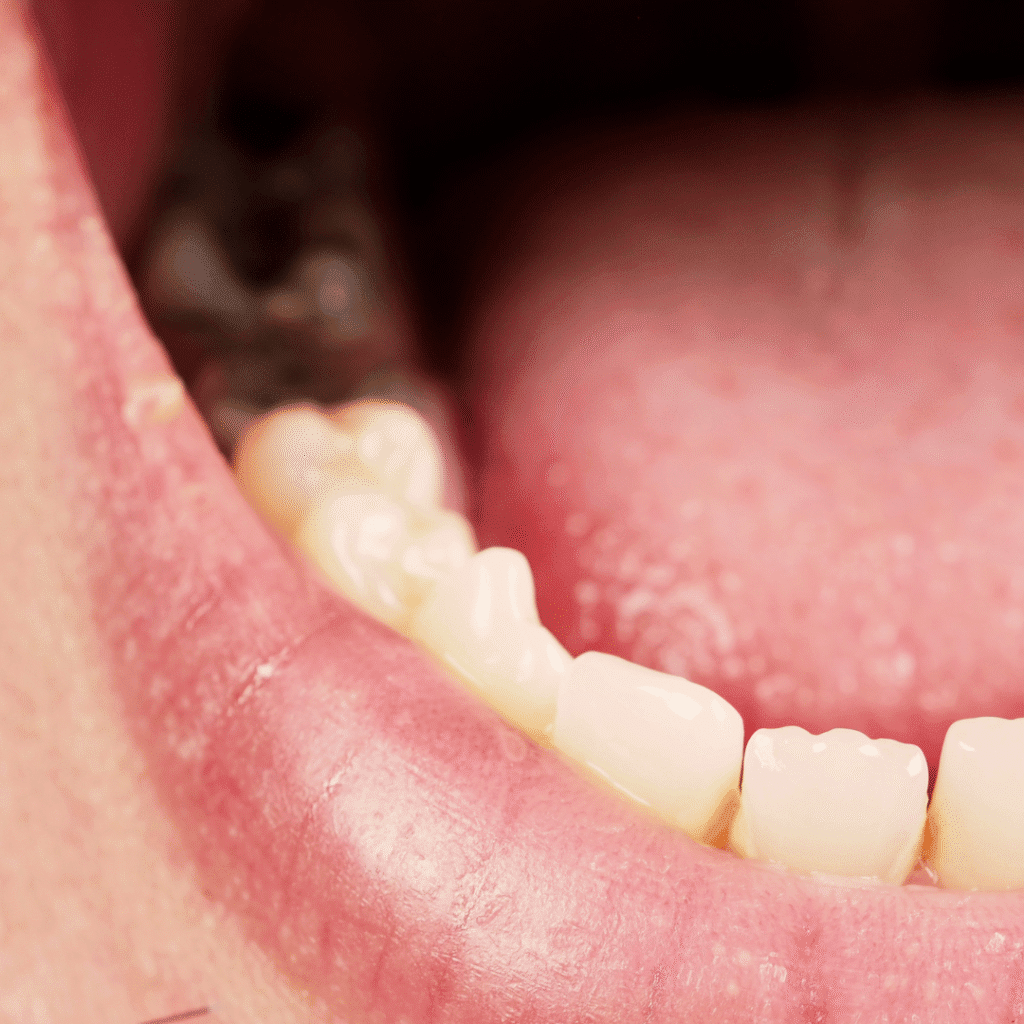
Tooth decay happens when the hard outer layer of your tooth, called enamel, breaks down due to acid produced by bacteria. These bacteria live in a sticky film called plaque, which constantly forms on your teeth.
When you eat or drink sugary or starchy foods, the bacteria in plaque convert those carbohydrates into acids. Over time, those acids can:
Weaken the enamel surface
Create small holes or pits
Eventually lead to cavities (permanent damage in the tooth structure)
Without treatment, decay can progress deeper into the dentin and pulp, where it can cause pain and infection.
Common Causes of Tooth Decay

Tooth decay doesn’t happen overnight — it develops from habits and factors that can be adjusted with a few mindful changes. The most common causes include:
Frequent snacking or sipping sugary drinks
Each time you eat or drink something sweet, acids attack your enamel for up to 20 minutes afterward.Poor brushing and flossing habits
Skipping daily cleaning allows plaque to harden into tartar, which can’t be removed by brushing alone.Dry mouth (reduced saliva)
Saliva helps neutralize acids and wash away food particles. A dry mouth increases your risk for decay.Deep grooves or pits in teeth
Molars with deep chewing surfaces can trap food and bacteria, making them more prone to cavities.Diet low in minerals or fluoride
Fluoride helps rebuild enamel and protect against acid erosion. Without it, teeth are more vulnerable.Worn dental restorations
Old fillings or crowns with gaps around the edges can collect plaque and bacteria.
Early Signs of Tooth Decay
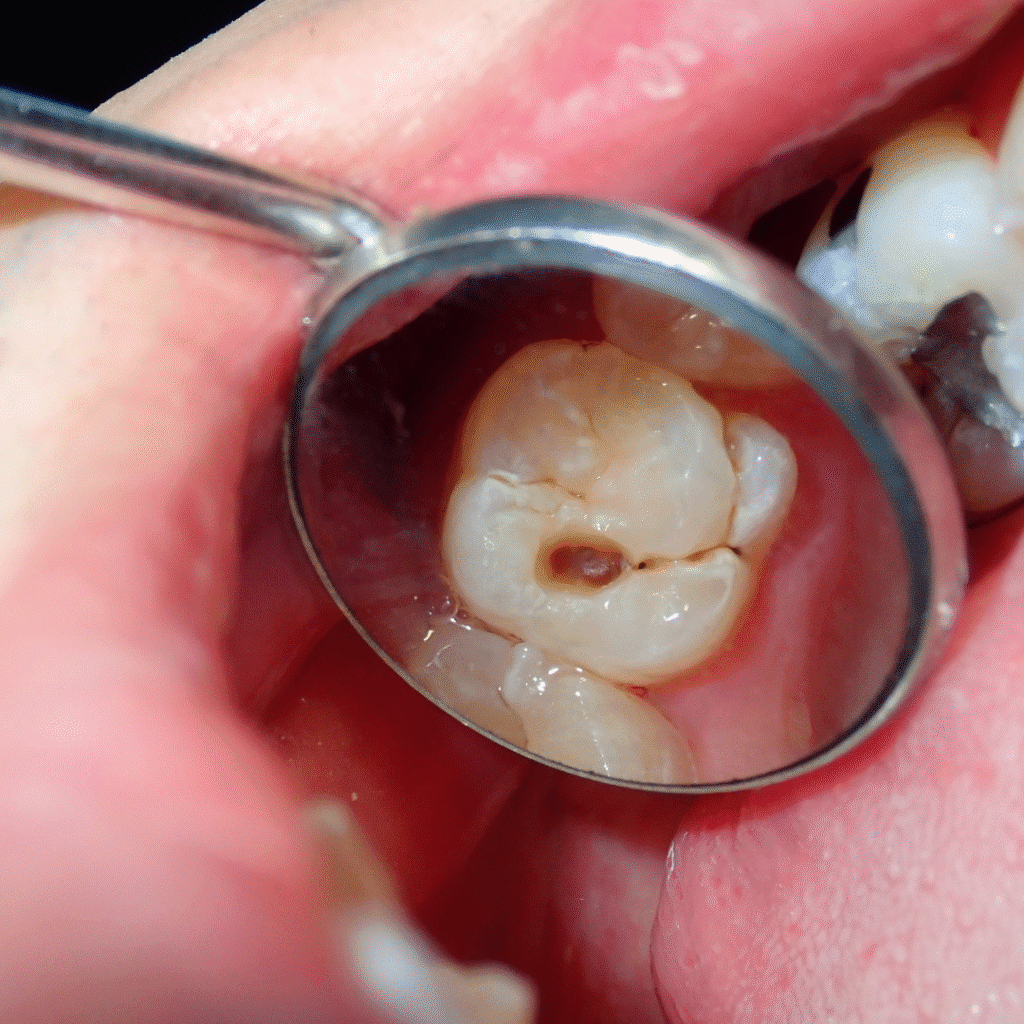
Cavities don’t usually cause pain until they reach deeper layers of the tooth — that’s why regular dental exams are so important.
Early warning signs to watch for include:
White or brown spots on the enamel
Sensitivity to cold, heat, or sweets
Rough edges you can feel with your tongue
Discomfort when biting or chewing
If decay progresses, you may experience visible holes, persistent toothache, or swelling near the gum line.
At Tooth Harmony, we use visual exams and digital X-rays (when needed) to detect cavities in their earliest stages — long before they cause major damage or discomfort.
Preventing Tooth Decay at Home
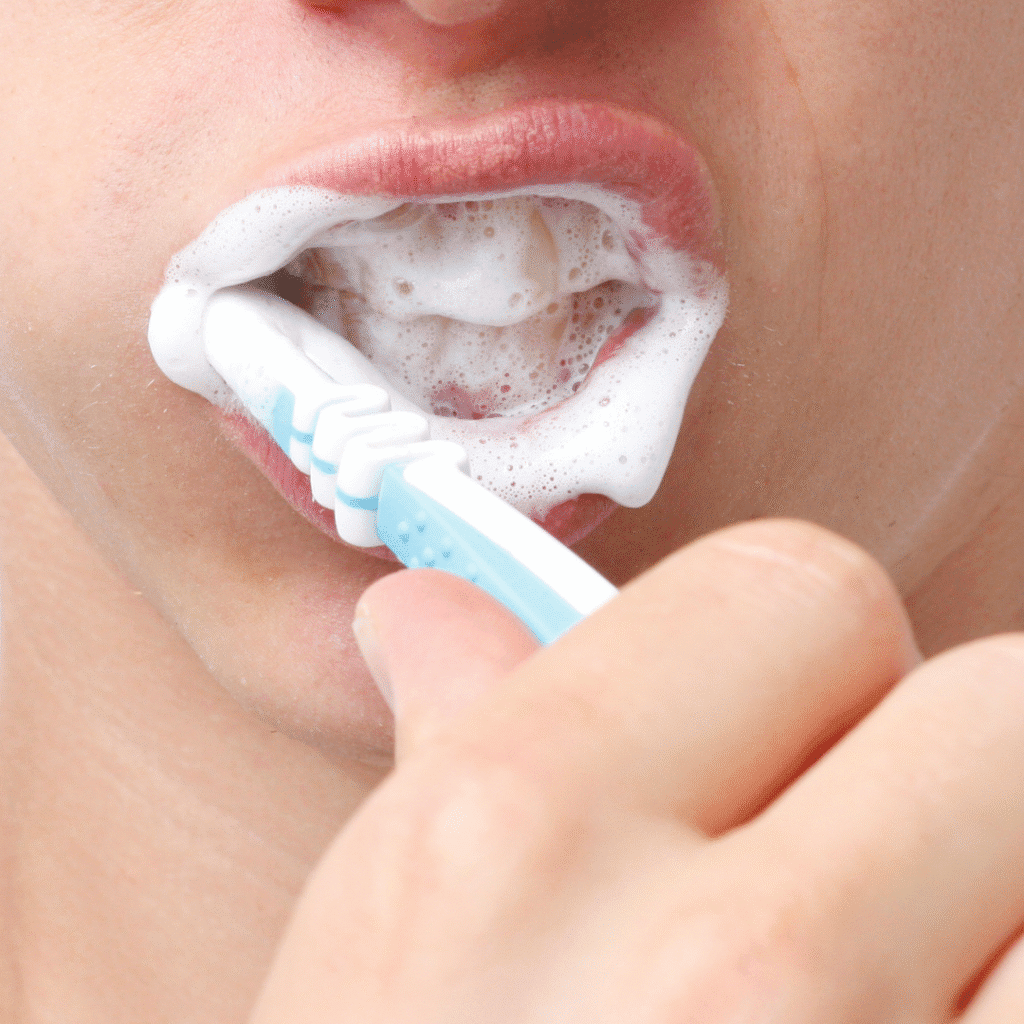
Small changes in your daily routine can go a long way toward preventing cavities:
Brush twice a day for two minutes using a soft-bristled toothbrush and fluoride toothpaste.
Floss once daily to clean between teeth and under the gumline.
Rinse with water after meals or snacks, especially when you can’t brush.
Limit sugary or acidic foods and drinks, including soft drinks, fruit juice, and sticky candies.
Drink plenty of water — it helps wash away bacteria and supports saliva flow.
Eat tooth-friendly snacks like cheese, yogurt, nuts, and crunchy vegetables.
If you have children, help them brush and floss until they’re old enough to do it effectively on their own. Establishing good habits early sets the foundation for lifelong oral health.
Professional Prevention and Treatment Options

During your routine visits at Tooth Harmony in Niagara Falls, our team provides preventive care designed to stop decay before it starts.
We may recommend:
Dental sealants: Thin coatings applied to the chewing surfaces of molars to block bacteria and food particles.
Fluoride treatments: Strengthen enamel and help reverse early signs of decay.
Regular cleanings: Remove plaque and tartar that can’t be eliminated with brushing alone.
Restorative care: If decay is found, we use tooth-coloured fillings that blend naturally with your teeth to restore function and comfort.
By addressing small issues promptly, you can avoid more complex procedures in the future.
Why Early Detection Matters
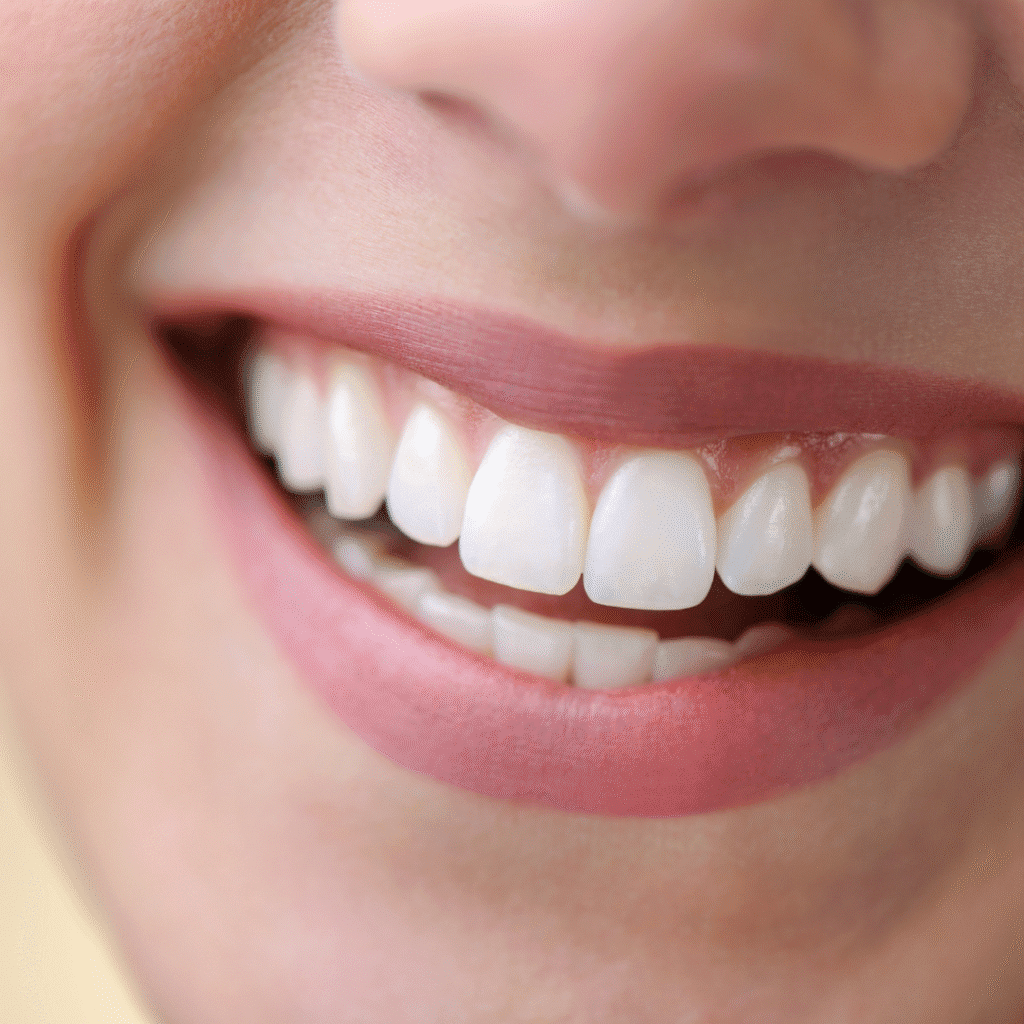
Once tooth enamel is lost, it can’t grow back — but with early detection, we can preserve the remaining structure and prevent further damage.
If cavities are left untreated, bacteria can reach the inner pulp of the tooth, leading to pain, infection, or the need for a root canal. That’s why routine checkups are one of the best defences against decay.
At Tooth Harmony, our goal is to help patients understand their oral health clearly and make confident choices about their care. We’ll explain each step, answer your questions, and guide you through the options available.
Gentle, Preventive Dental Care in Niagara Falls
Tooth decay can happen to anyone, but with the right habits and regular dental care, it’s almost always preventable.
At Tooth Harmony, we provide comprehensive exams, gentle cleanings, and cavity treatments tailored to your comfort and needs. Whether it’s been six months or several years since your last visit, our friendly team is here to help you get back on track — no judgment, just care that supports your best oral health.
Schedule a visit with Tooth Harmony in Niagara Falls at www.toothharmony.com to learn more about your options.
Or visit us here:
