

Toothache Troubles? Common Causes and When to See Your Dentist

Almost everyone experiences a toothache at some point — that sharp twinge while sipping coffee, a dull ache that keeps you up at night, or pressure when chewing that just won’t go away. While some causes of tooth pain are minor and temporary, others can signal a deeper dental issue that needs attention.
At Tooth Harmony in Niagara Falls, we understand that tooth pain can feel stressful and uncomfortable. Our goal is to help you understand why it happens, how to relieve it safely, and when it’s time to call your dentist.
What Causes a Toothache?
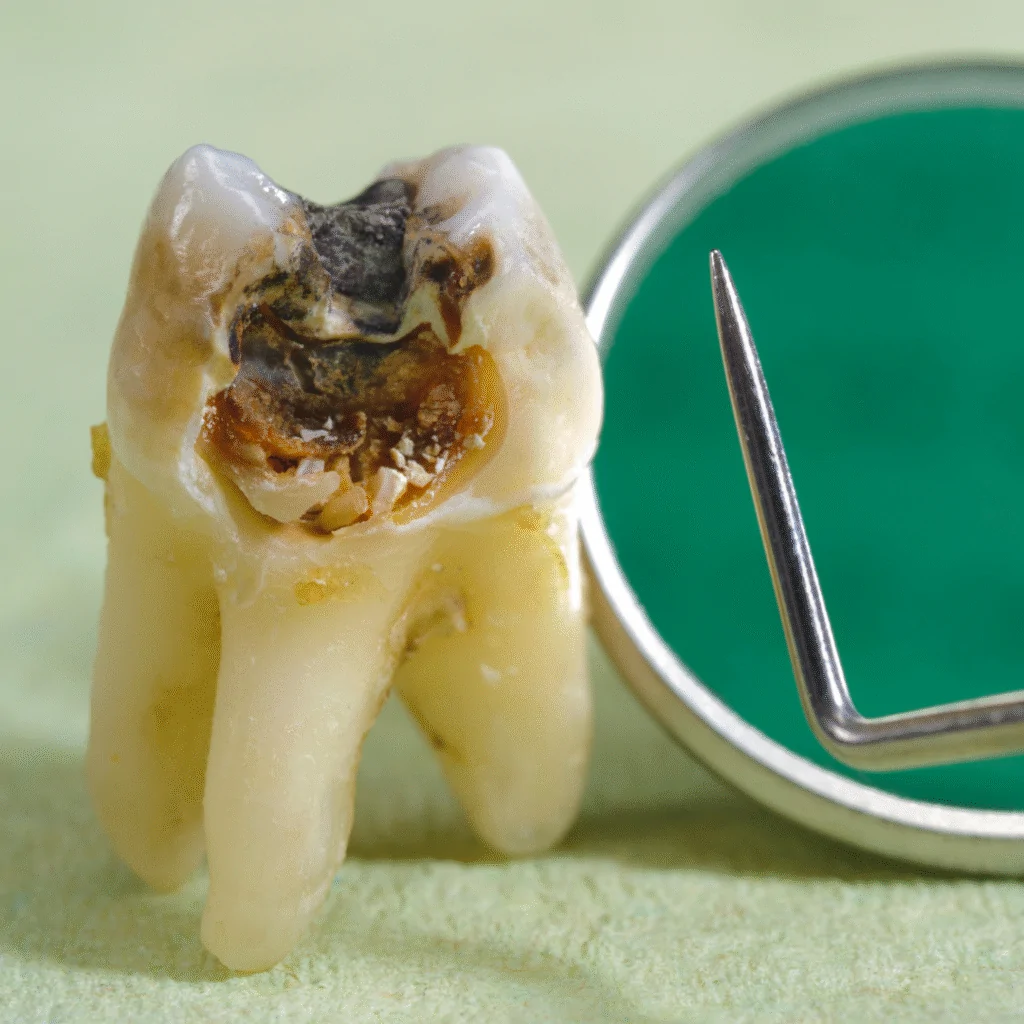
Tooth pain happens when the sensitive inner part of your tooth — the pulp — becomes irritated or inflamed. This can result from a range of common dental issues:
Cavities (Tooth Decay)
Small holes form in the enamel when bacteria break down tooth surfaces. As decay reaches deeper layers, it can cause pain, sensitivity, or sharp discomfort when eating sweets or cold foods.Gum Problems
Inflammation or infection along the gumline can cause tenderness that feels like a toothache. If gums bleed easily or feel swollen, the pain might not be from the tooth itself but from the surrounding tissue.Cracked or Chipped Tooth
Even a tiny fracture can expose the inner layers of a tooth, leading to pain when biting or chewing. These cracks can be hard to see but easy to feel.Worn or Loose Fillings
Old restorations can loosen over time, leaving gaps that trap food or bacteria and trigger irritation.Tooth Sensitivity
Receding gums, enamel erosion, or whitening treatments can cause short bursts of pain when teeth are exposed to hot or cold foods.Grinding or Clenching
Constant pressure from grinding (bruxism) can make teeth feel sore or dull, especially in the morning.Infection or Abscess
If bacteria reach the pulp inside a tooth, an abscess may form, leading to throbbing pain, swelling, or sensitivity to pressure.
Identifying the Type of Pain

Toothaches can feel different depending on what’s causing them. Here’s how to interpret common symptoms:
Sharp, shooting pain → Often linked to cavities or cracked enamel.
Throbbing or pulsating pain → May indicate infection or inflammation in the pulp.
Pain when biting or chewing → Could point to a cracked tooth, loose filling, or gum issue.
Lingering sensitivity to temperature → Often related to enamel erosion or exposed roots.
Dull ache or pressure in the jaw → Sometimes connected to grinding or clenching.
Knowing what kind of pain you’re experiencing helps your dentist narrow down the cause and recommend the right treatment.
Temporary Relief at Home

If you can’t get to the dentist right away, these steps may help manage discomfort until your appointment:
Rinse with warm salt water to help clean the area and reduce inflammation.
Use a cold compress on your cheek for 10–15 minutes at a time to ease swelling.
Take over-the-counter pain relief as directed (never apply medication directly to the gums).
Avoid extremely hot, cold, or sweet foods.
Keep the area clean by brushing and flossing gently around the sore tooth.
These remedies can provide short-term comfort, but they won’t treat the underlying cause — so it’s still important to schedule a dental visit if the pain persists.
What to Expect at Tooth Harmony

When you visit Tooth Harmony in Niagara Falls for tooth pain, our team will start by identifying the source of your discomfort. This may include:
A visual exam of the affected area.
X-rays (if needed) to look for cavities, cracks, or infection below the surface.
Gentle testing to determine which tooth is sensitive and why.
Once we understand what’s causing the pain, we’ll explain your treatment options clearly — whether that’s a filling, a crown, or a deeper cleaning.
We take a calm, step-by-step approach to ensure you feel comfortable throughout your visit.
Preventing Future Toothaches

While not all toothaches can be prevented, most are avoidable with consistent care. Here’s how to reduce your risk:
Brush twice a day with fluoride toothpaste.
Floss daily to remove plaque and food between teeth.
Schedule regular checkups and cleanings at Tooth Harmony every six months.
Wear a night guard if you grind your teeth while sleeping.
Avoid excessive sugar and rinse your mouth after eating sticky foods.
Address issues early — even minor sensitivity should be mentioned at your next appointment.
Prevention is often simpler and more comfortable than treatment after the fact.
When to Call a Dentist

You should schedule an appointment as soon as possible if you experience:
Pain lasting more than two days
Swelling around the gums or jaw
Sensitivity that doesn’t go away
Pain when chewing or biting
A cracked, chipped, or broken tooth
A bump or abscess on the gums
If the pain is severe, don’t wait — call our Niagara Falls dental office for same-day care. Prompt attention can often prevent the need for more extensive treatment later.
Gentle Toothache Relief in Niagara Falls
At Tooth Harmony, we know that dental pain can disrupt your day and cause anxiety. That’s why we focus on creating a calm environment, clear communication, and gentle care to help you get relief quickly.
Our team will take time to explain what’s happening, walk you through each step, and develop a plan that supports both comfort and long-term oral health.
Schedule a visit with Tooth Harmony in Niagara Falls at www.toothharmony.com to learn more about your options.
Or visit us here:
