
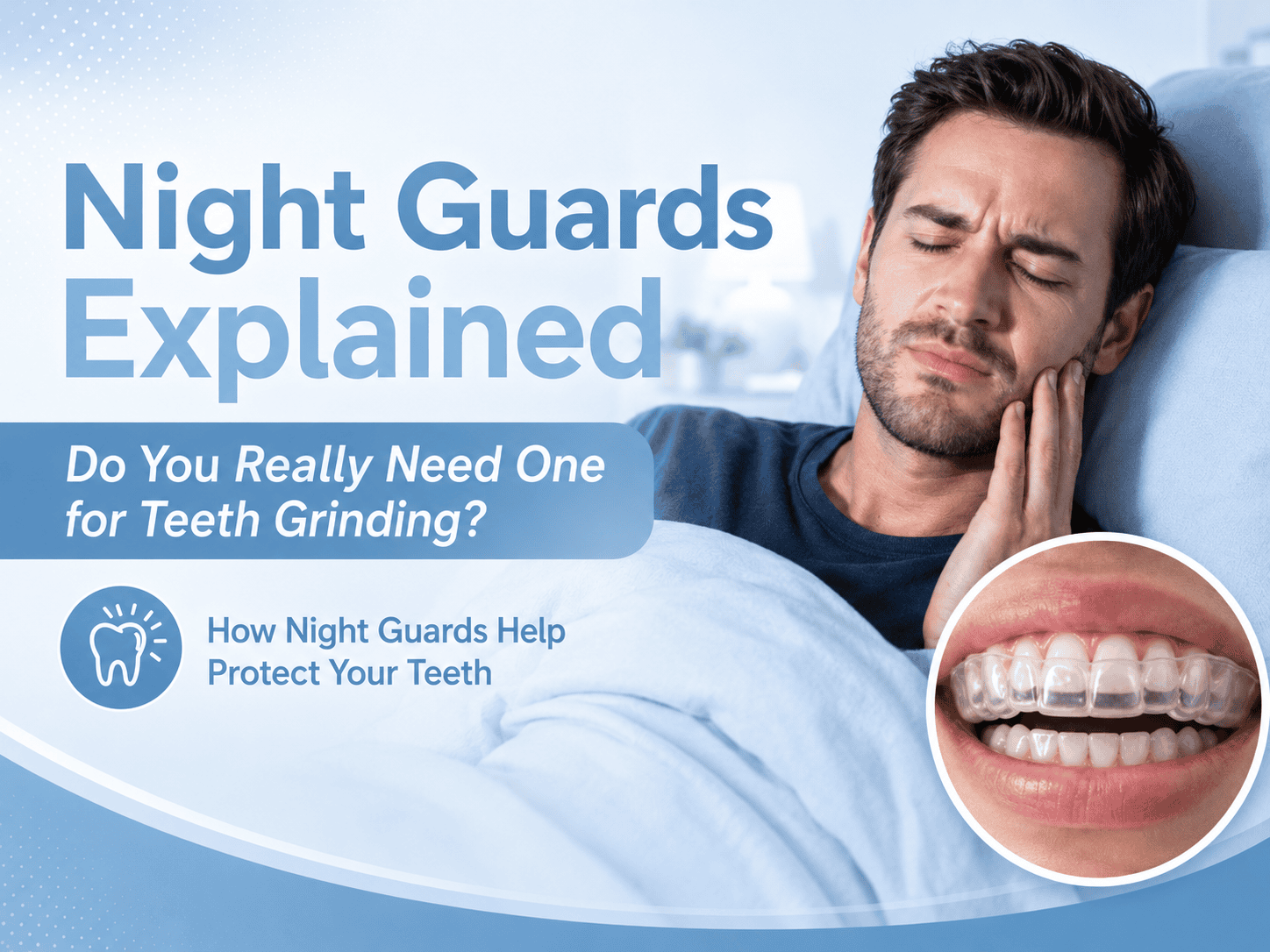
Waking up with a sore jaw, dull headache, or teeth that feel strangely sensitive? You might be grinding your teeth at night without even realizing it.
Teeth grinding, also called bruxism, is more common than many adults think. Some people clench when they’re stressed. Others grind while sleeping and only find out when a partner hears it—or when their dentist spots the signs during an exam.
At Tooth Harmony in Niagara Falls, night grinding is something we help patients with regularly. While occasional clenching may not seem like a big deal, ongoing grinding can put real pressure on your teeth, jaw muscles, and overall oral health.
So, do you really need a night guard for teeth grinding? In many cases, it can make a big difference.
Here’s what to know.
What Is a Night Guard?
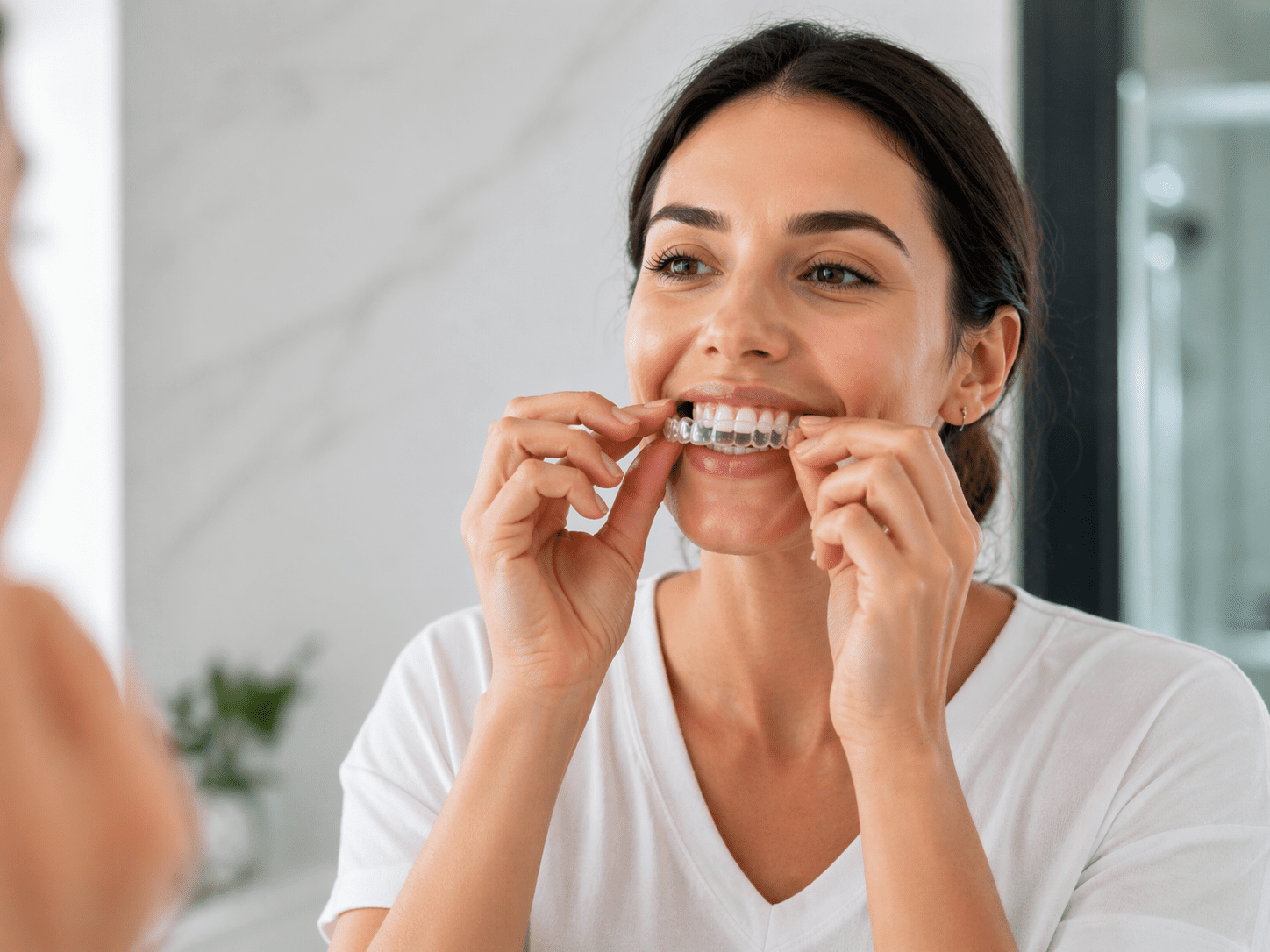
A night guard is a protective oral appliance worn over your teeth while you sleep. Its purpose is to create a barrier between your upper and lower teeth so they are not grinding directly against each other all night.
Night guards are often recommended for adults who show signs of:
Teeth grinding
Jaw clenching
Worn enamel
Tooth sensitivity
Jaw soreness
Morning headaches
Cracked or chipped teeth caused by pressure
Think of it as protection for your smile while you sleep. It does not necessarily stop the grinding habit itself, but it helps reduce the damage that grinding can cause.
How Do You Know If You Grind Your Teeth?
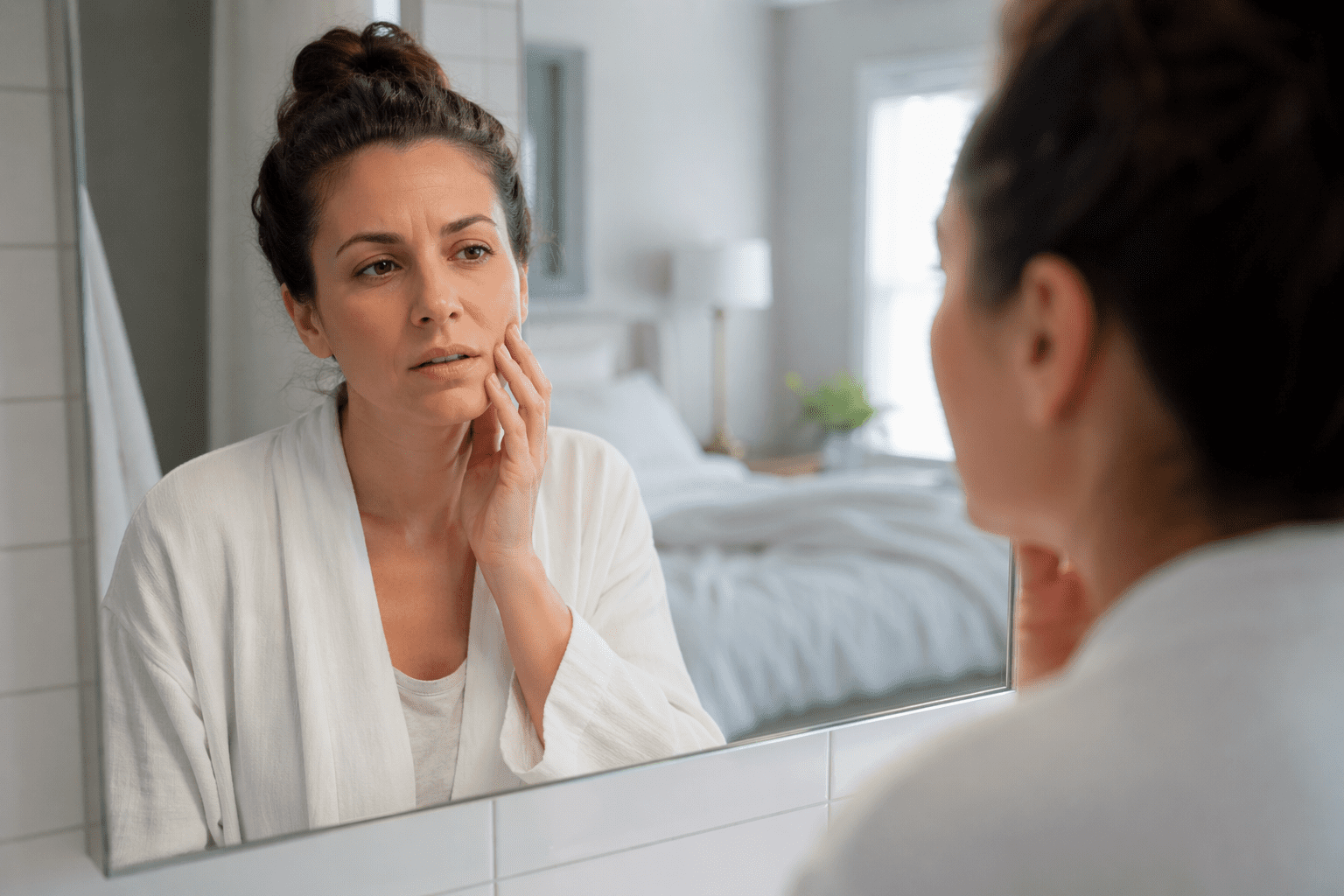
Not everyone knows they grind their teeth. In fact, many people only discover it after symptoms start building up.
Some common signs of teeth grinding at night include:
Sore or tight jaw in the morning
Frequent morning headaches
Tooth sensitivity with no obvious cause
Flattened, chipped, or worn teeth
Neck or facial tension
Clicking or discomfort in the jaw joint
Interrupted sleep
A partner hearing grinding noises during the night
Sometimes the signs are subtle at first. What seems like “a bit of jaw tension” or “sensitive teeth” may actually be the result of repeated pressure night after night.
Why Teeth Grinding Shouldn’t Be Ignored
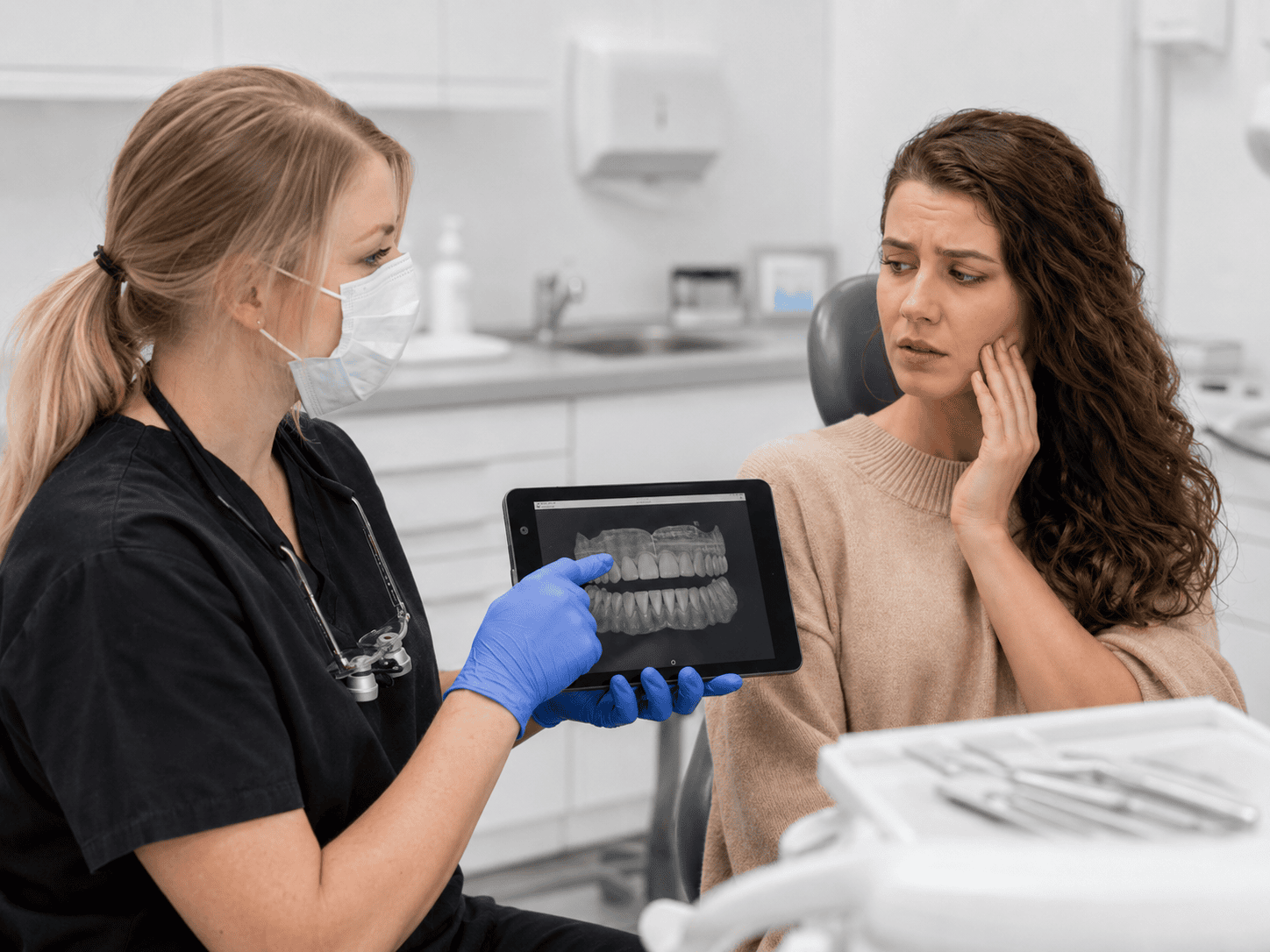
Teeth grinding is easy to dismiss, especially if the symptoms come and go. But ongoing grinding can lead to problems that become harder to ignore over time.
Repeated clenching and grinding can contribute to:
Enamel wear
Tooth fractures
Chipped edges
Increased tooth sensitivity
Gum irritation
Jaw pain
TMJ-related discomfort
Damage to fillings, crowns, or other dental work
The pressure created by grinding can be surprisingly strong. Over time, that force can wear down teeth and place strain on the muscles and joints that support your bite.
That’s why early attention matters.
Do You Really Need a Night Guard?

The answer depends on what’s happening in your mouth.
Not every person who clenches their jaw once in a while needs a night guard. But if you’re experiencing symptoms or your dentist sees signs of wear, a night guard for grinding teeth may be strongly recommended.
You may benefit from a night guard if:
Your teeth are showing visible wear
You often wake with jaw soreness
You have recurring morning headaches
Your teeth feel sensitive without another clear cause
You’ve chipped or cracked teeth
You’ve had dental restorations that need protection
You tend to clench during stress or sleep
A night guard is often less about reacting to major damage and more about preventing it from getting worse.
What Causes Teeth Grinding?

There isn’t always one single cause. Teeth grinding can be linked to a combination of factors, including:
Stress and anxiety
Sleep disturbances
Bite imbalance
Jaw tension
Certain lifestyle habits
Clenching during concentration or stress
Some adults grind more during stressful periods, while others do it consistently without realizing it. That’s why a dental exam can be so helpful—it can reveal patterns you may not notice on your own.
Are Store-Bought Night Guards Good Enough?

This is one of the most common questions people ask.
Over-the-counter night guards may seem like a quick fix, and in some mild cases they may provide temporary cushioning. But they are not always the best long-term option.
Store-bought guards can sometimes be:
Bulky
Uncomfortable
Poorly fitted
Easier to wear down
Less effective at protecting your bite properly
A poorly fitting appliance can also feel awkward enough that you stop wearing it altogether.
A professionally made custom night guard is designed to fit your teeth more accurately, feel more comfortable, and provide more reliable protection.
What Your Dentist Looks For
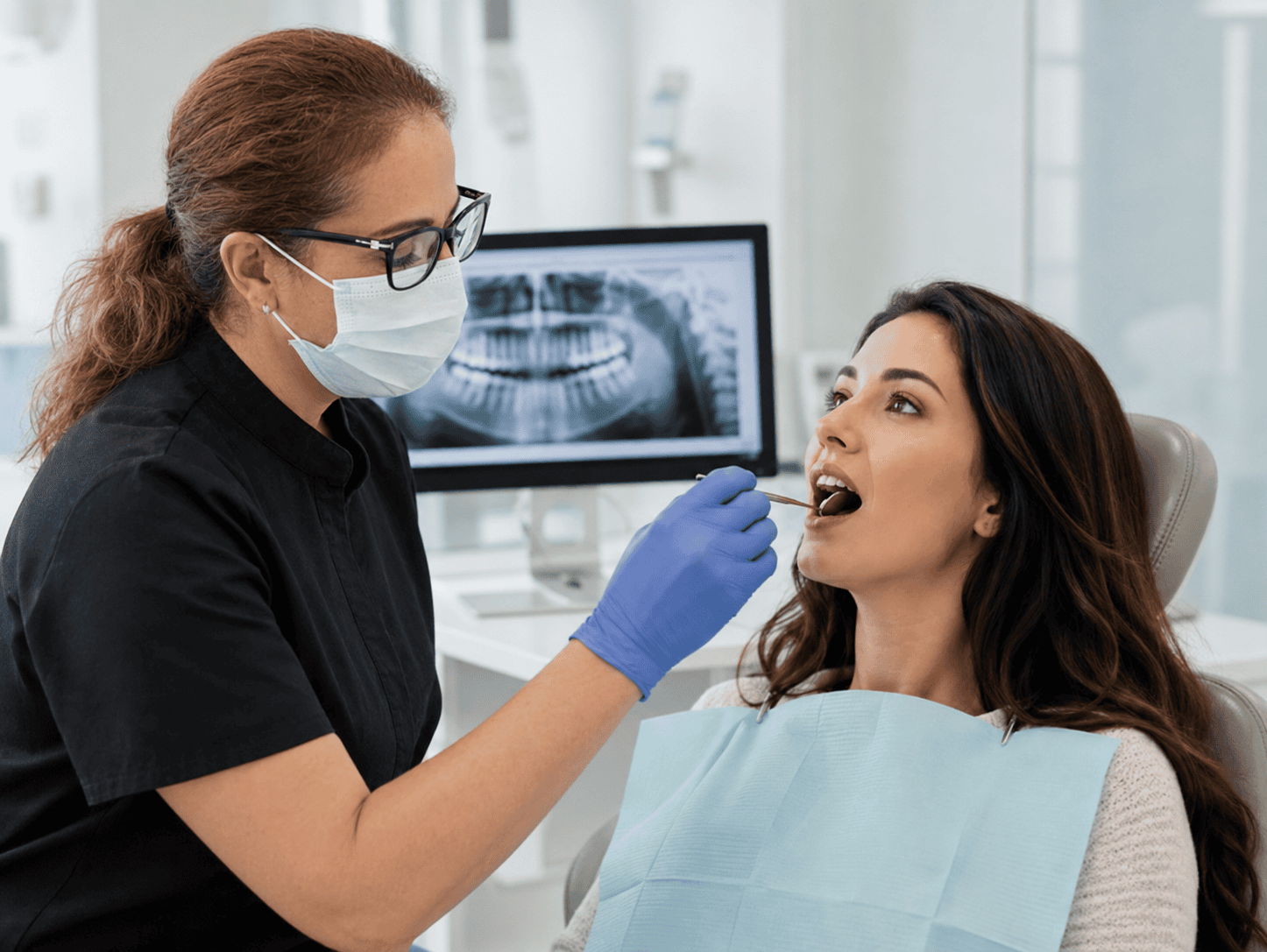
If you mention teeth grinding at your visit, your dentist will usually look for more than just one symptom.
At Tooth Harmony in Niagara Falls, an exam may include checking for:
Flattened or worn tooth surfaces
Small cracks or chips
Signs of enamel loss
Tooth sensitivity patterns
Jaw muscle tenderness
Bite pressure issues
Wear on fillings, crowns, or restorations
TMJ-related symptoms
Sometimes patients come in thinking they just need help with sensitivity or headaches, and it turns out nighttime grinding is part of the picture.
Benefits of Wearing a Night Guard

A night guard won’t solve every cause of bruxism, but it can play an important role in protecting your teeth and improving comfort.
Possible benefits include:
Reducing wear on teeth
Protecting enamel
Lowering the risk of cracks and chips
Easing pressure on the jaw
Helping reduce morning discomfort
Protecting dental work like crowns and fillings
Supporting long-term oral health
For many adults, the biggest benefit is simple: less damage, less discomfort, and more peace of mind.
What Happens If You Don’t Treat Teeth Grinding?
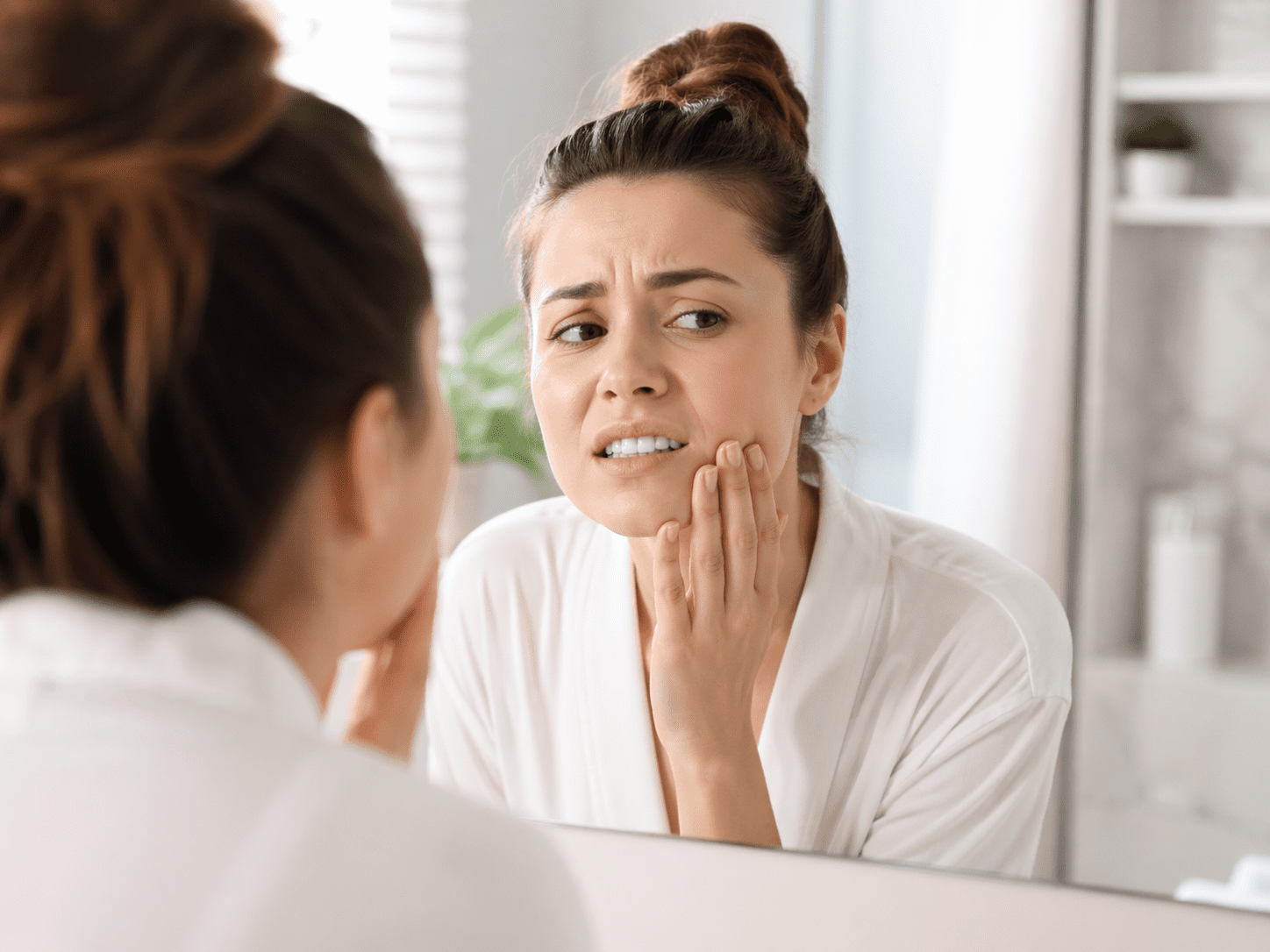
If teeth grinding continues without protection, the effects can build slowly over time.
You may notice:
More frequent tooth sensitivity
Increasing jaw tension
Shortened or flattened teeth
Small fractures becoming bigger problems
Greater wear on existing dental work
More complex treatment needs later
That doesn’t mean every case becomes severe. But it does mean it’s worth addressing before it gets there.
In many situations, wearing a night guard early can help prevent more involved dental issues down the road.
When to Book a Consultation
It’s a good idea to book a visit if:
You wake up with jaw pain or headaches
Your teeth feel worn or sensitive
A partner notices grinding sounds at night
You’ve chipped a tooth without a clear reason
You clench during stress and think it may be happening in your sleep
You’ve been told you grind but haven’t had it evaluated
The sooner you get clarity, the easier it is to decide whether a night guard is right for you.
Night Guards in Niagara Falls
At Tooth Harmony, we believe in catching small issues before they turn into bigger ones. If you think you may be grinding your teeth at night, we can evaluate the signs, explain what we’re seeing, and help you understand whether a custom night guard is the right next step.
Protecting your teeth now can help prevent discomfort, damage, and more complex dental treatment later.
If you’ve been waking up with jaw tension, headaches, or unexplained tooth sensitivity, don’t ignore it.
Book your consultation with Tooth Harmony in Niagara Falls today at www.toothharmony.com and let’s help keep your smile protected, comfortable, and healthy while you sleep.
