
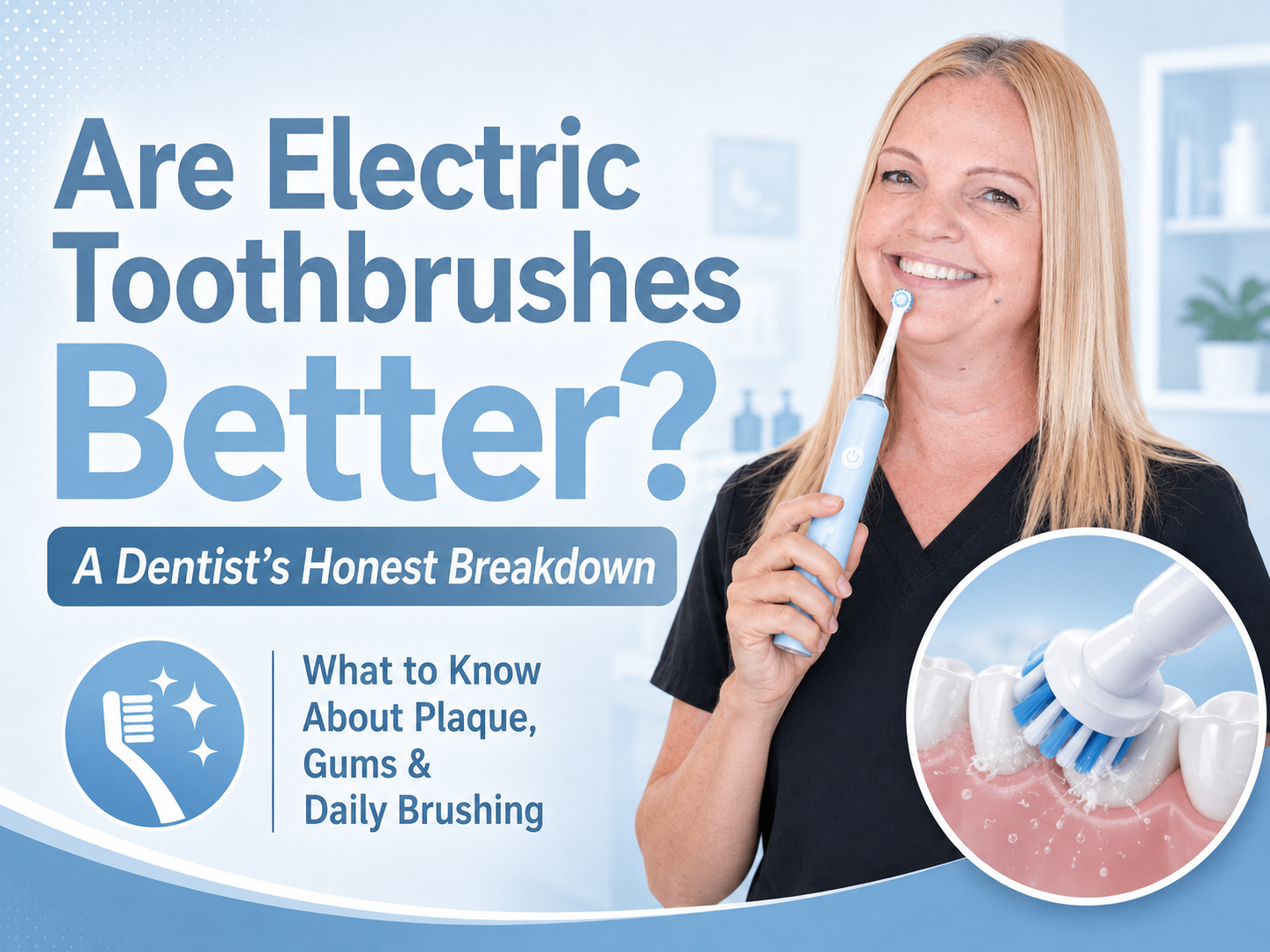
If you’ve ever stood in the oral care aisle comparing a basic toothbrush to an electric one, you’ve probably wondered the same thing: are electric toothbrushes actually better, or are they just more expensive?
It’s a fair question. Many adults want to do the right thing for their teeth and gums, but they also don’t want to waste money on something that doesn’t really make a difference.
At Tooth Harmony in Niagara Falls, we get asked this often. The honest answer is this: electric toothbrushes can be a great tool, but they are not magic. A toothbrush is only effective if it is used properly and consistently.
Still, for many people, an electric toothbrush can make brushing easier, more thorough, and more effective.
Here’s a dentist’s honest breakdown.
Are Electric Toothbrushes Better?
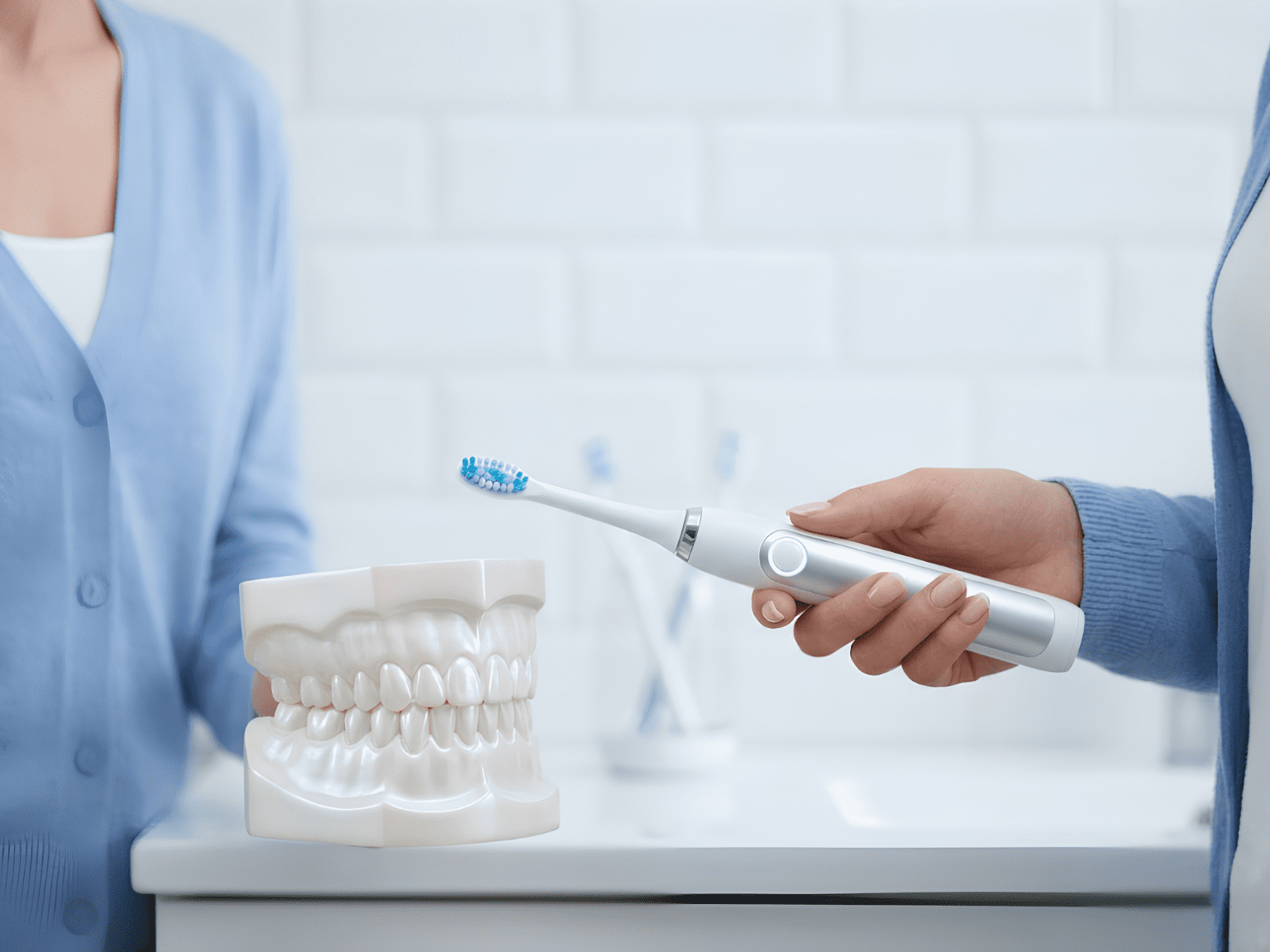
In many cases, yes—electric toothbrushes can be better than manual toothbrushes, especially for people who struggle with brushing technique, consistency, or reaching all areas of the mouth properly.
That does not mean a manual toothbrush cannot work well. It absolutely can. But electric toothbrushes often help take some of the guesswork out of brushing.
They may offer advantages such as:
More consistent brushing motion
Better plaque removal
Built-in timers
Pressure sensors
Easier handling
Improved brushing for people with limited dexterity
For some patients, that can make a noticeable difference in their oral health routine.
Why Electric Toothbrushes Can Be More Effective
One of the biggest reasons electric toothbrushes help is that they do more of the motion for you.
With a manual toothbrush, brushing effectively depends more on your technique, angle, pressure, and brushing time. Many people brush too hard, too quickly, or miss certain areas without realizing it.
Electric toothbrushes can help by:
Creating small, rapid cleaning movements
Encouraging the full two-minute brushing time
Helping users avoid aggressive scrubbing
Reaching around gumlines and hard-to-clean areas more consistently
In other words, they can help turn an average brushing routine into a better one.
Are Manual Toothbrushes Still Good?
Yes. A manual toothbrush can still clean your teeth well if you use it properly.
That means:
Brushing for two full minutes
Using gentle pressure
Cleaning all surfaces of the teeth
Paying attention to the gumline
Replacing the brush regularly
The problem is not that manual toothbrushes are bad. The problem is that many people do not use them as effectively as they think.
So if you are very consistent and use proper technique, a manual toothbrush may still be enough. But if you tend to rush, brush too hard, or skip areas, an electric toothbrush may help improve your results.
Who May Benefit Most from an Electric Toothbrush?
Electric toothbrushes are especially helpful for people who:
Have trouble with brushing technique
Brush too aggressively
Have gum recession or sensitive gums
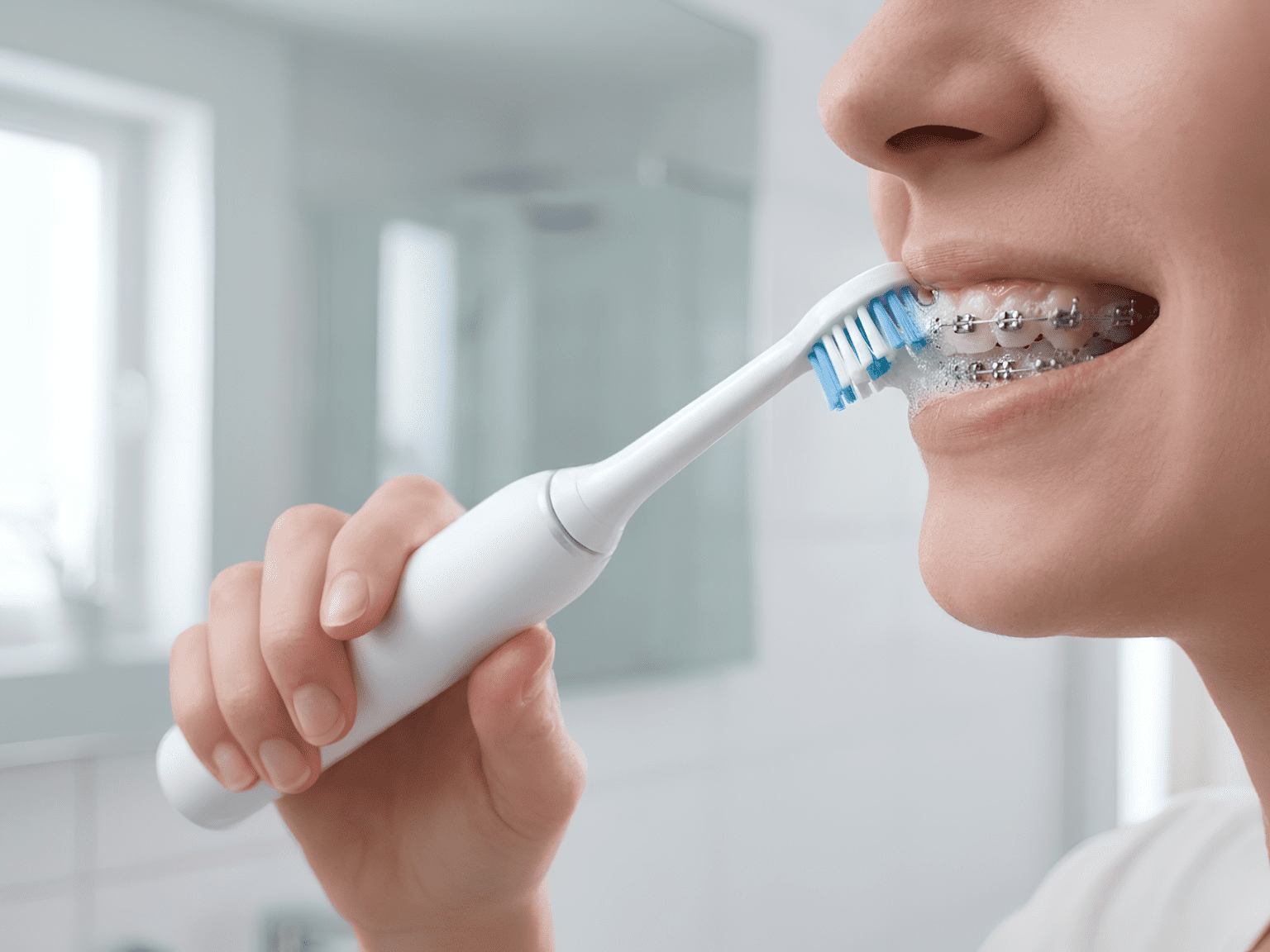
Wear braces or dental appliances
Have arthritis or reduced hand mobility
Want built-in guidance like timers or pressure alerts
Need help being more consistent with brushing
For children, teens, and even adults who get distracted easily, an electric toothbrush can also make brushing feel easier and more structured.
Can Electric Toothbrushes Help with Gum Health?
They can.
Because electric toothbrushes often help remove plaque more consistently, they may support better gum health when used properly. Plaque buildup around the gumline is one of the main things that contributes to gum irritation and inflammation.
If your gums bleed easily, feel tender, or look puffy, your brushing routine may need improvement—and an electric toothbrush may help with that.
That said, no toothbrush can make up for inconsistent brushing or skipping flossing altogether.
What Electric Toothbrushes Don’t Do
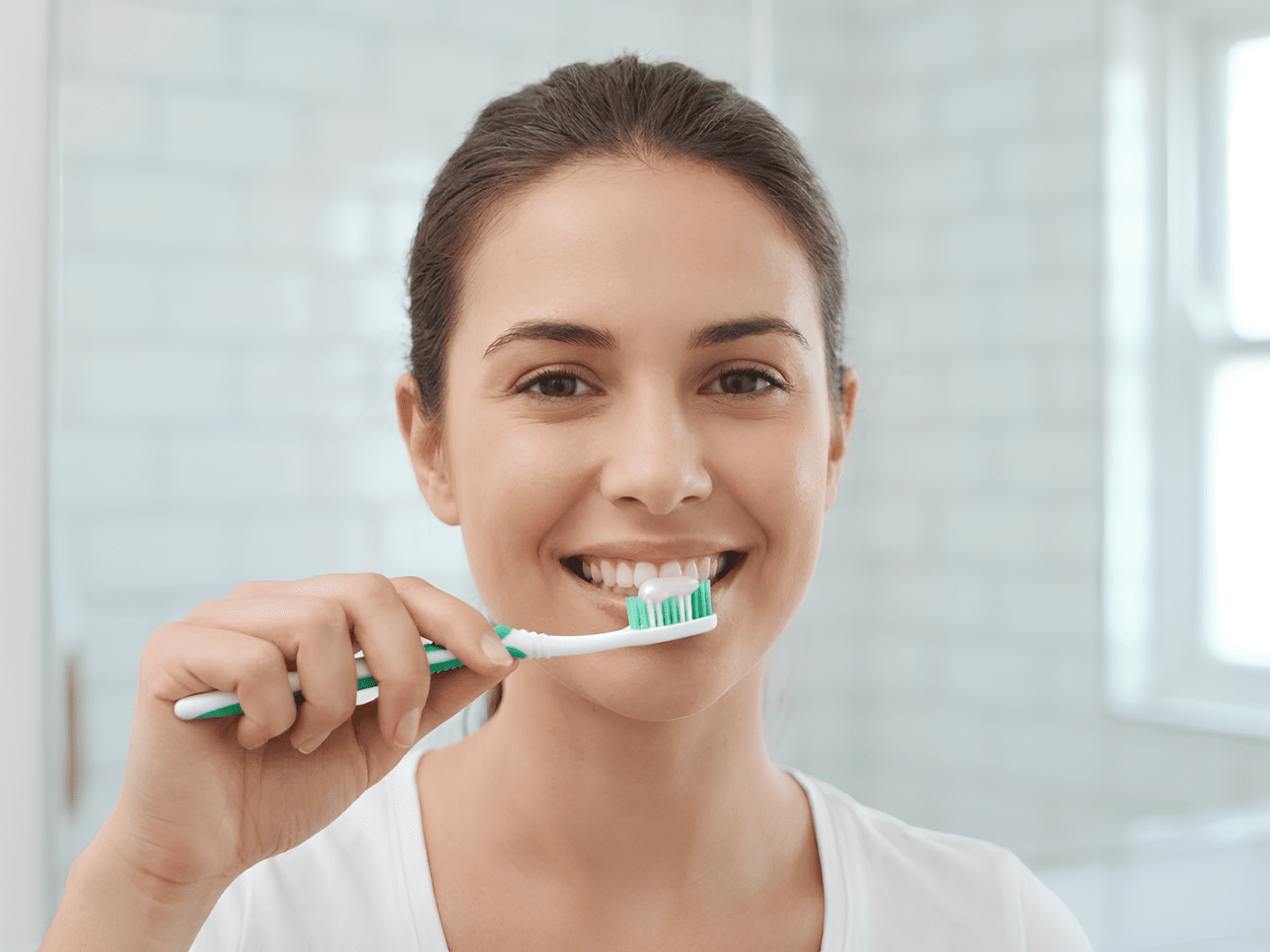
This is the part people need to hear clearly: an electric toothbrush is not a shortcut for overall oral care.
It does not replace:
Flossing
Regular dental cleanings
Good brushing habits
Replacing worn brush heads
Brushing thoroughly twice a day
Some people buy an expensive toothbrush and assume their routine is instantly better. But if they still rush through brushing or ignore flossing, the results may not improve much.
The tool helps. The habits still matter.
Are Expensive Electric Toothbrushes Worth It?
Not always.
Some premium electric toothbrushes come with lots of extra features, but not every feature is necessary for every person.
What actually matters most is whether the toothbrush:
Cleans effectively
Feels comfortable to use
Encourages proper brushing time
Has a soft brush head
Does not cause you to brush too hard
A simple, reliable electric toothbrush can often be enough. You do not always need the most expensive model to get the benefits.
What Your Dentist Looks For
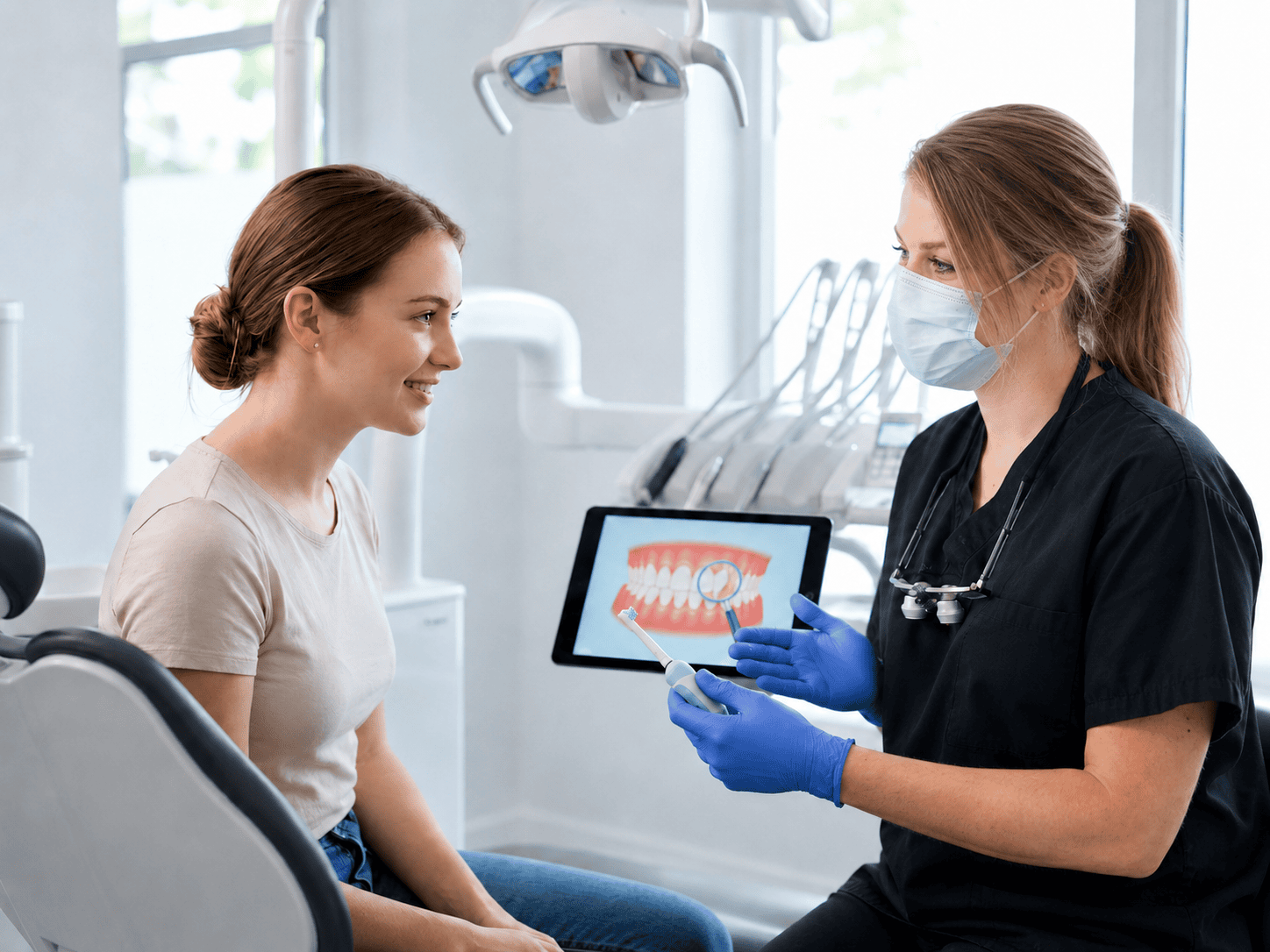
If you are wondering whether your toothbrush is doing a good job, your dentist can often tell from what they see during your exam.
At Tooth Harmony in Niagara Falls, we may look for:
Plaque buildup
Tartar accumulation
Gum inflammation
Bleeding gums
Signs of brushing too hard
Gum recession
Areas consistently being missed
Wear patterns on the teeth
Sometimes the issue is not the type of toothbrush at all—it is the brushing technique. Other times, switching to an electric toothbrush can make brushing easier and improve overall results.
So, Should You Switch?
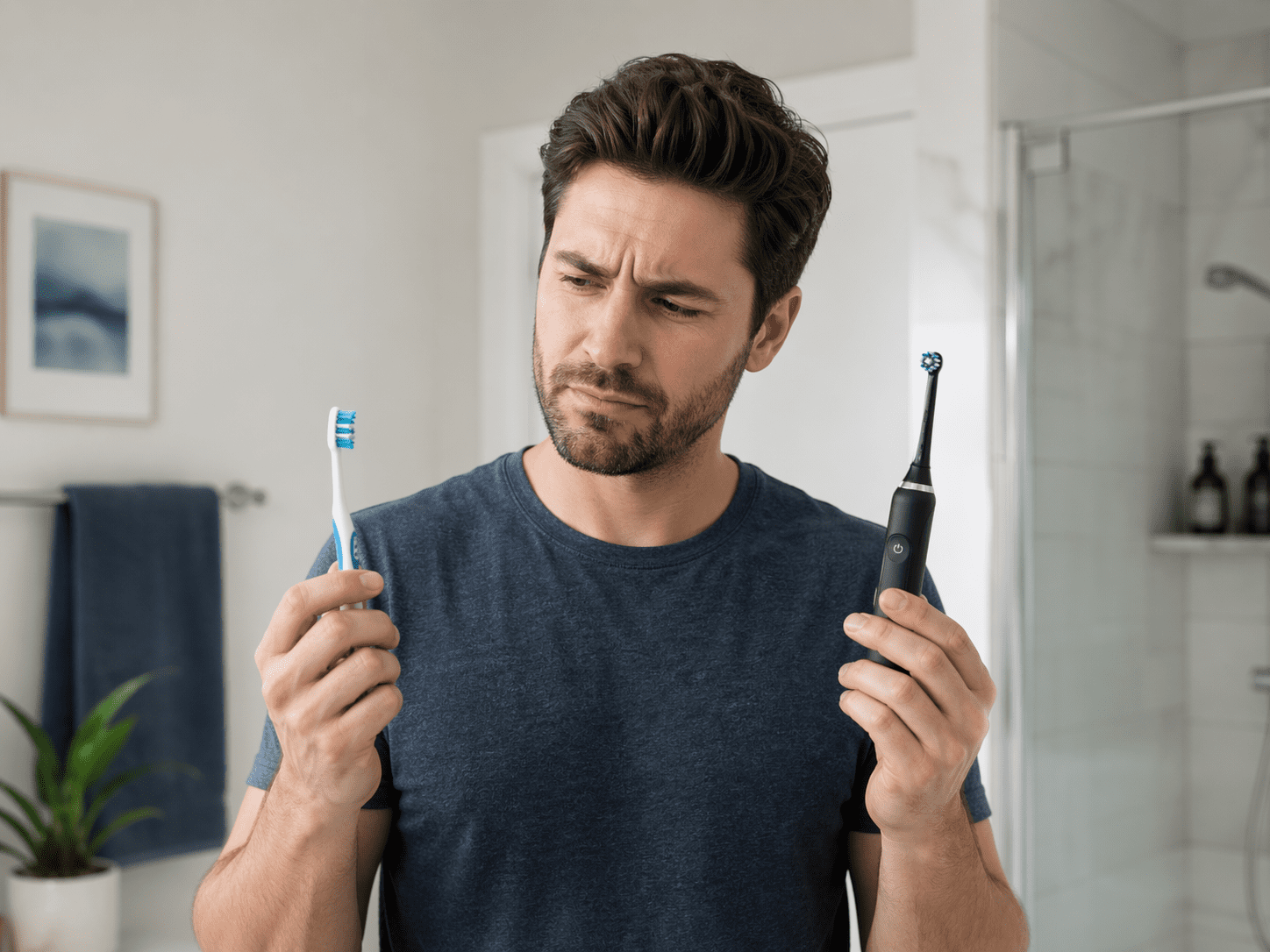
If your gums are healthy, your teeth are clean, and your brushing routine is consistent, you may not need to switch right away.
But you may want to consider an electric toothbrush if:
Your gums bleed often
You tend to brush too hard
You have plaque buildup at regular visits
You want help brushing more thoroughly
You have dental work or braces
You find manual brushing inconsistent or awkward
For many adults, switching to an electric toothbrush is less about buying something fancy and more about making brushing easier to do well every day.
When to Ask Your Dentist
It’s worth asking your dentist about your toothbrush if:
You are not sure if your brushing is effective
Your gums are irritated or bleeding
You have sensitive teeth or recession
You keep getting told to improve plaque control
You are deciding between manual and electric options
A quick conversation at your dental visit can help you choose the right option based on your actual needs—not marketing claims.
Dental Care in Niagara Falls
At Tooth Harmony, we believe good oral health starts with simple habits done well. If you are wondering whether an electric toothbrush is the right choice for you, we can evaluate your oral health, look at your brushing results, and give you honest guidance based on what your smile actually needs.
Sometimes a small change in your daily routine can make a big difference over time.
Book your consultation with Tooth Harmony in Niagara Falls today at www.toothharmony.com and let’s help you build an oral care routine that keeps your smile healthy, clean, and supported.
