

Most people think about brushing their teeth and flossing their gums—but rarely stop to look at their tongue.
The truth is, your tongue can reveal more than many people realize. Changes in color, texture, coating, soreness, or patches may sometimes point to oral health issues, irritation, hygiene concerns, or other changes happening in the body.
That does not mean every unusual tongue symptom is serious. But it does mean your tongue is worth paying attention to.
At Tooth Harmony in Niagara Falls, we often remind patients that a healthy mouth involves more than just teeth. Your tongue is an important part of your oral health, and noticing changes early can help you know when it is time to get checked.
Here’s what your tongue may be trying to tell you—and which signs you should not ignore.
What a Healthy Tongue Usually Looks Like
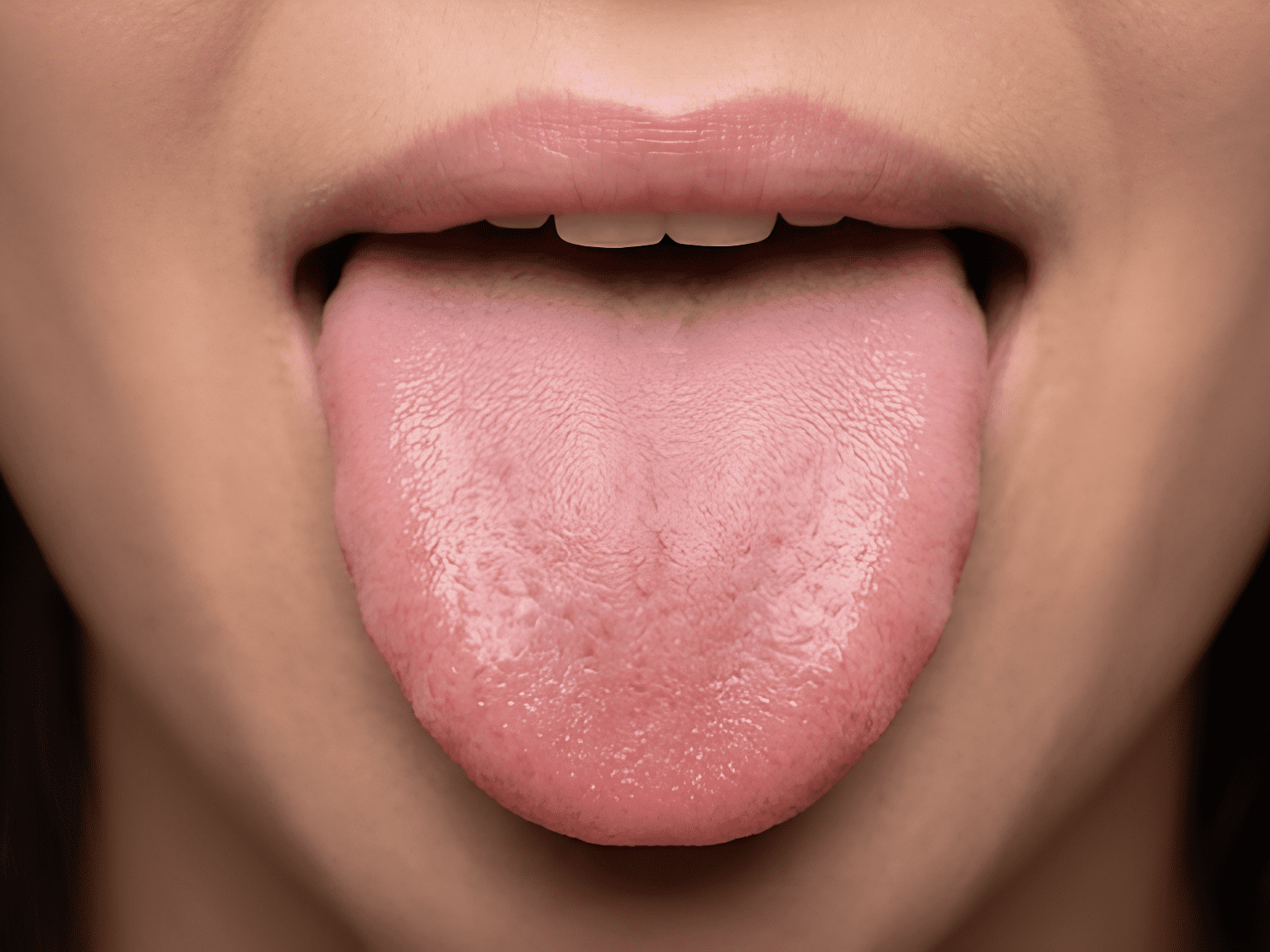
A healthy tongue is usually:
Pink
Slightly textured
Moist
Free of painful sores or unusual patches
It is normal for the tongue to have small bumps, known as papillae, across the surface. These help with taste and texture. It is also normal for your tongue to vary slightly from person to person.
What matters most is noticing when something changes and does not go away.
A White-Coated Tongue

A tongue with a white coating is one of the most common things people notice.
Sometimes this happens because of:
Dry mouth
Bacteria buildup
Food debris
Poor oral hygiene
Irritation
Smoking
In some cases, a white tongue may also be linked to oral yeast overgrowth or other conditions that deserve attention.
A light coating is not always a major concern. But if the white appearance is thick, painful, persistent, or difficult to brush away, it is worth mentioning to your dentist.
Red or Sore Tongue
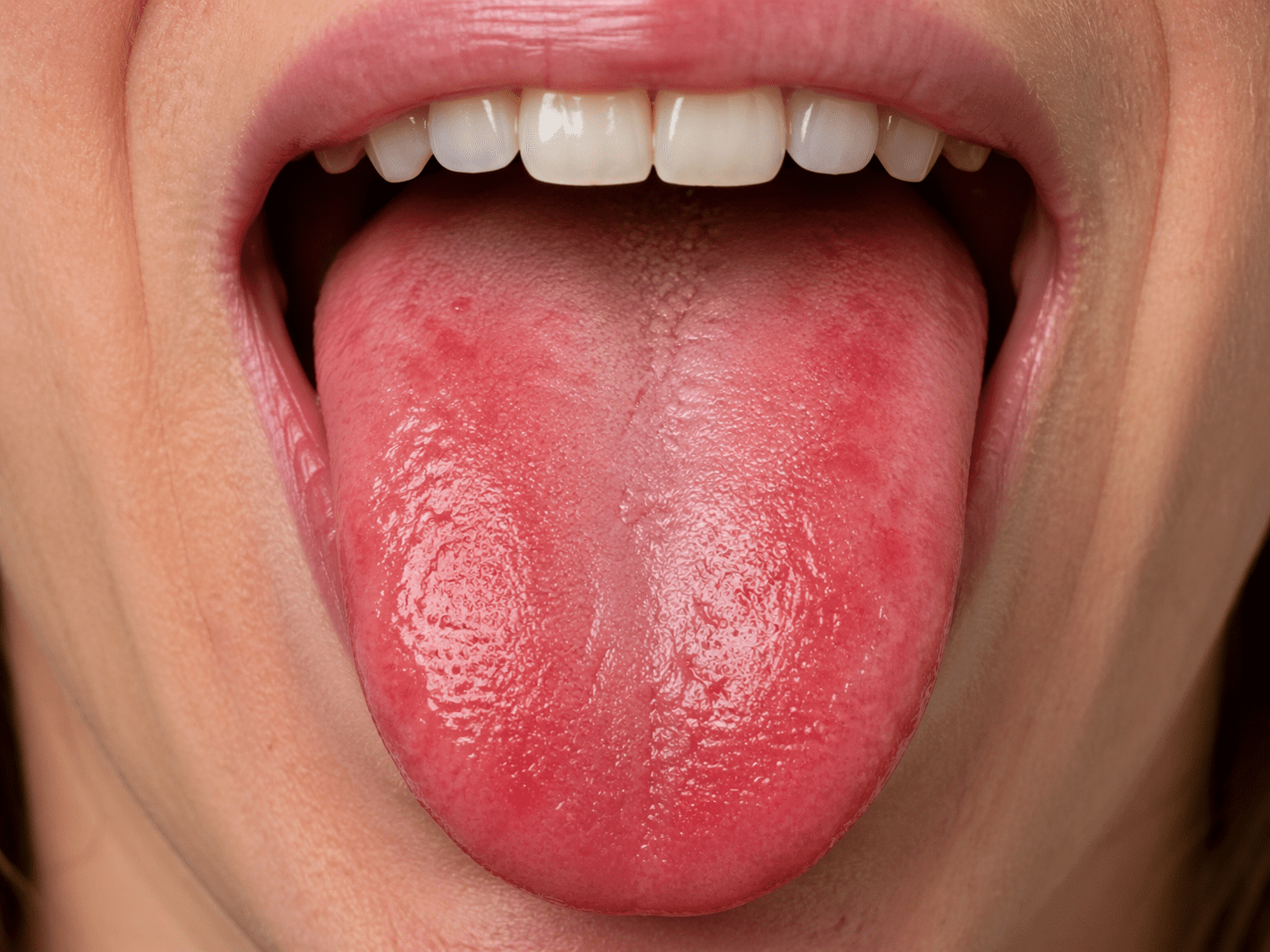
A tongue that looks unusually red, smooth, or sore can sometimes signal irritation or inflammation.
This may be linked to:
Mouth irritation
Burning sensation
Dryness
Nutritional issues
Sensitivity to certain foods or products
If your tongue feels tender, looks glossy or unusually smooth, or stays sore without a clear reason, that is something you should not ignore.

Some people naturally have a tongue with grooves or fissures. In many cases, this is harmless.
However, deep grooves can sometimes trap:
Food debris
Bacteria
Irritants
That may lead to bad breath, irritation, or discomfort if the tongue is not being cleaned properly.
If you have a fissured tongue, good oral hygiene—including gentle tongue cleaning—can help keep it healthier and more comfortable.
Patches or Discoloration
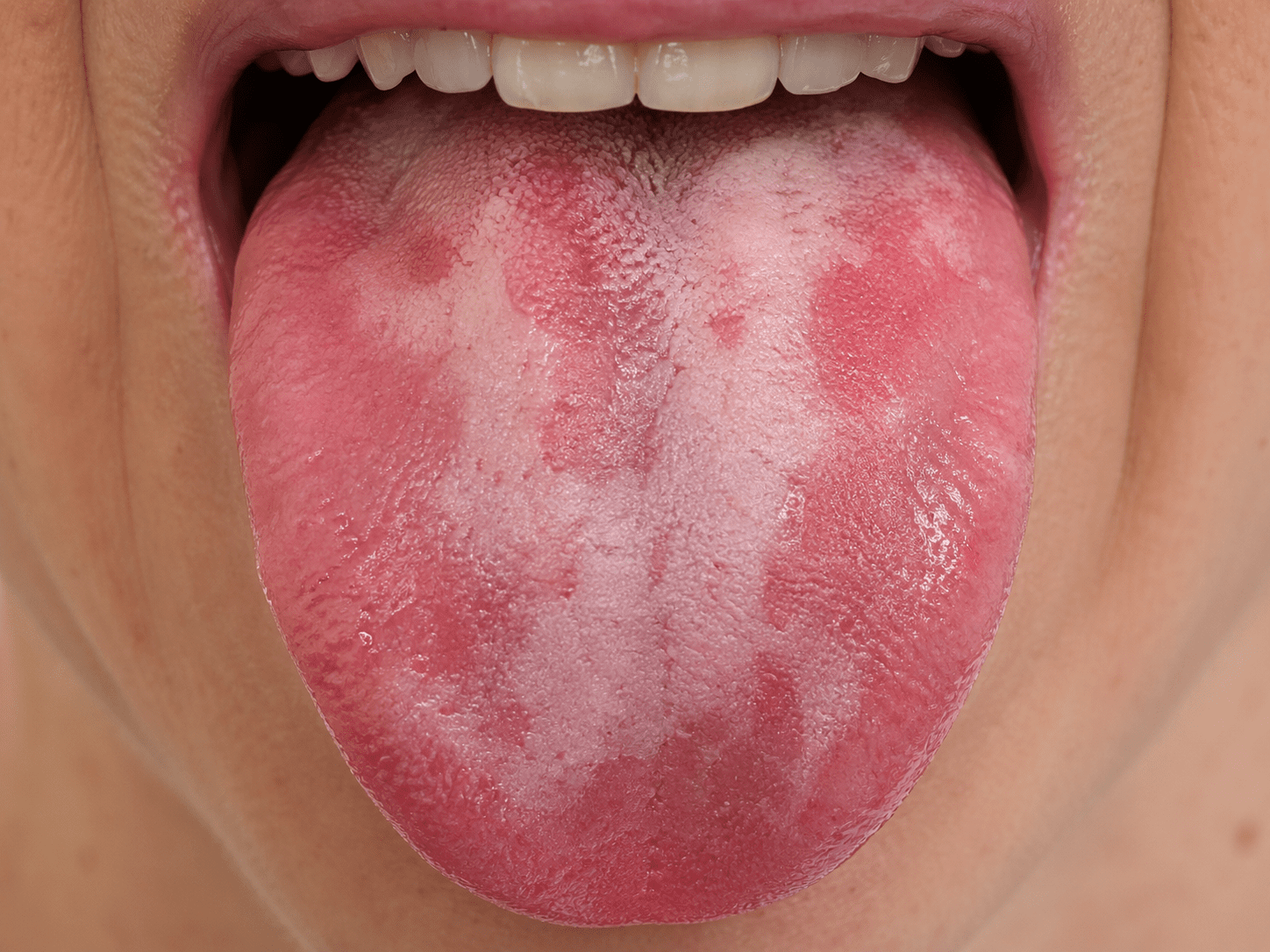
Patches on the tongue can vary in color and appearance. Some may be pale, red, white, or mixed in appearance.
Changes like this can happen for several reasons, including:
Irritation
Friction
Inflammation
Infection
Other oral conditions
Some tongue patches are temporary and harmless. Others may need closer attention—especially if they:
Last more than two weeks
Hurt
Change in size
Bleed
Feel thickened
Keep returning
Persistent patches should always be evaluated.
A Burning or Tingling Feeling
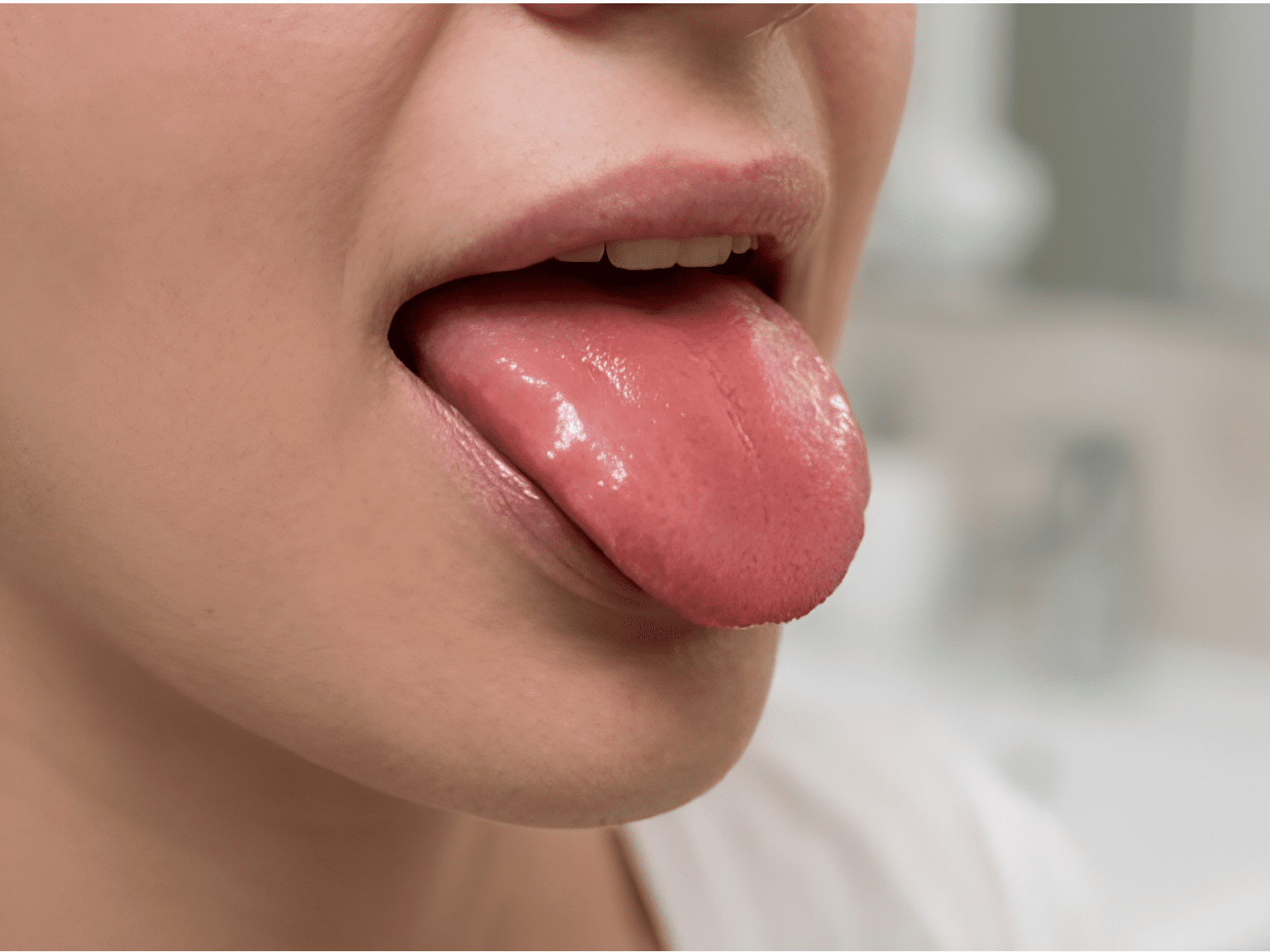
If your tongue burns, tingles, or feels irritated without an obvious cause, it can be frustrating and confusing.
Possible reasons may include:
Dry mouth
Stress
Irritation
Sensitivity to food or products
Underlying oral health issues
Even if nothing visible seems dramatic, ongoing discomfort is still worth discussing. A tongue should not feel persistently painful or strange without a reason.
Bad Breath and Tongue Buildup


The tongue can also play a major role in bad breath.
Bacteria can build up on the tongue’s surface, especially toward the back. If the tongue is not cleaned regularly, that buildup may contribute to:
Bad breath
Unpleasant taste
Coating on the tongue
A less fresh feeling in the mouth
That is one reason tongue cleaning matters as part of a complete oral hygiene routine.
Mouth Sores on or Under the Tongue
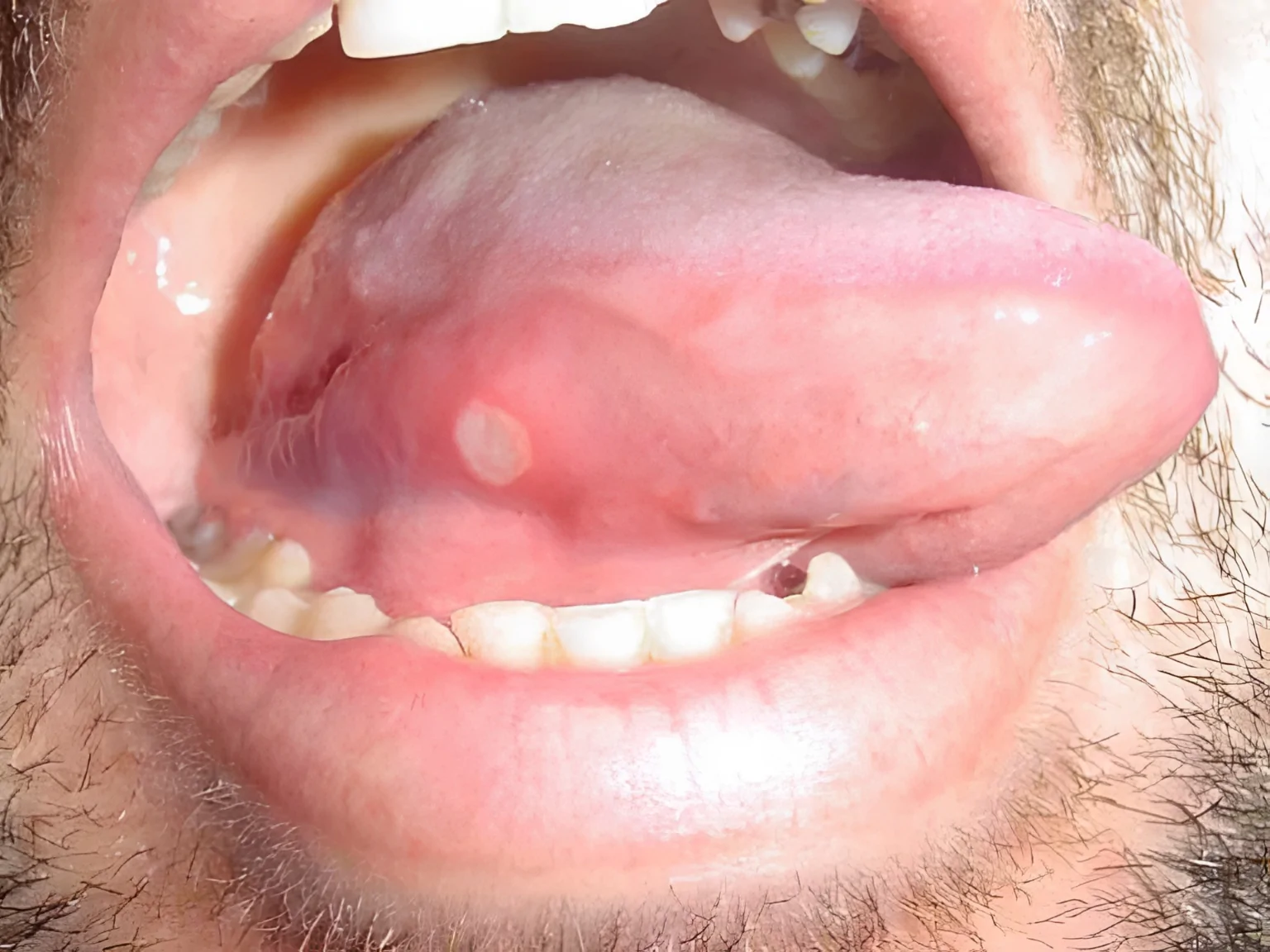
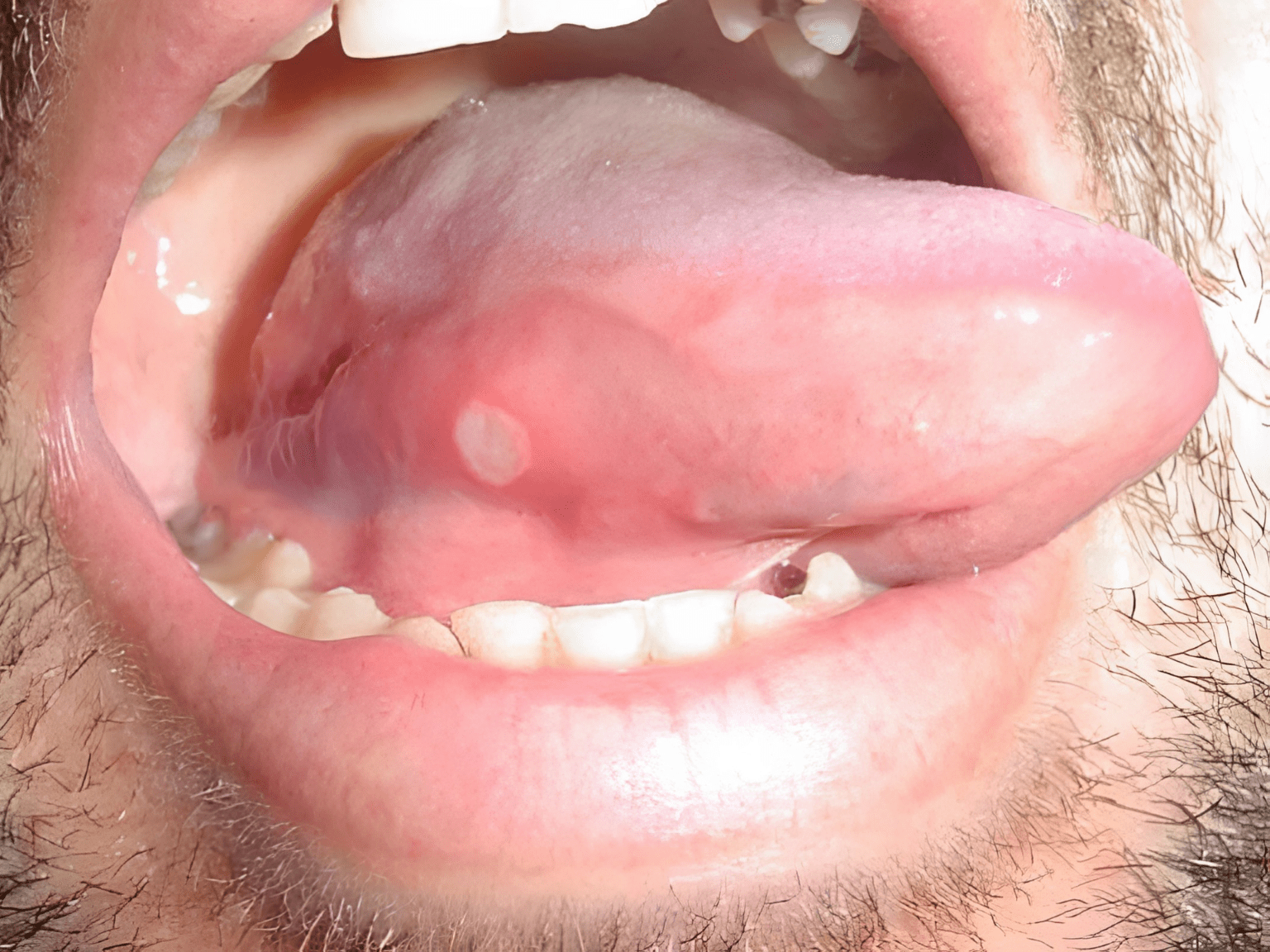
Sores on the tongue or under it can happen from:
Irritation
Biting the tongue
Canker sores
Stress
Friction from sharp teeth or restorations
Some sores heal on their own. But if a sore lasts longer than expected, becomes more painful, or keeps returning, it should be checked.
Anything persistent in the mouth deserves attention.
Why Tongue Changes Shouldn’t Be Ignored
It is easy to assume a tongue issue will go away on its own. Sometimes it does. But sometimes a tongue change is your mouth’s way of telling you that something needs attention.
Ignoring tongue symptoms can mean missing early signs of:
Oral irritation
Infection
Dry mouth
Hygiene-related issues
Inflammation
Other oral health conditions
You do not need to panic over every change. But you also should not ignore something that lingers.
What Your Dentist Looks For
During your dental visit at Tooth Harmony in Niagara Falls, your dentist may check for:
Changes in tongue color
Coating or buildup
Ulcers or sores
Patches or irregular areas
Signs of irritation
Dry mouth
Friction from teeth, fillings, or appliances
Other changes in the soft tissues of the mouth
Your tongue is part of your oral exam for a reason. It gives useful clues about what is going on in your mouth overall.
What You Can Do at Home
Keeping your tongue healthy usually starts with simple habits.
Helpful steps include:
Brushing twice a day
Flossing daily
Gently cleaning your tongue
Staying hydrated
Avoiding irritation from harsh products
Paying attention to changes that do not improve
A tongue scraper or soft toothbrush can help reduce buildup and improve freshness, as long as you clean gently.
When to Book an Appointment

It is a good idea to book a dental visit if you notice:
A white coating that does not go away
Persistent redness or soreness
A burning or tingling feeling
Unusual patches or discoloration
Sores that last more than two weeks
Ongoing bad breath despite brushing
Tongue pain without a clear cause
When it comes to tongue changes, it is always better to get clarity than to keep guessing.
Dental Care in Niagara Falls
At Tooth Harmony, we believe every part of your mouth matters—not just your teeth. If you have noticed tongue changes, soreness, coating, patches, or anything that does not feel normal, we are here to help you understand what may be going on.
Sometimes small oral changes are worth checking sooner than later.
Book your consultation with Tooth Harmony in Niagara Falls today at www.toothharmony.com and let’s help keep your mouth healthy, comfortable, and cared for.
