
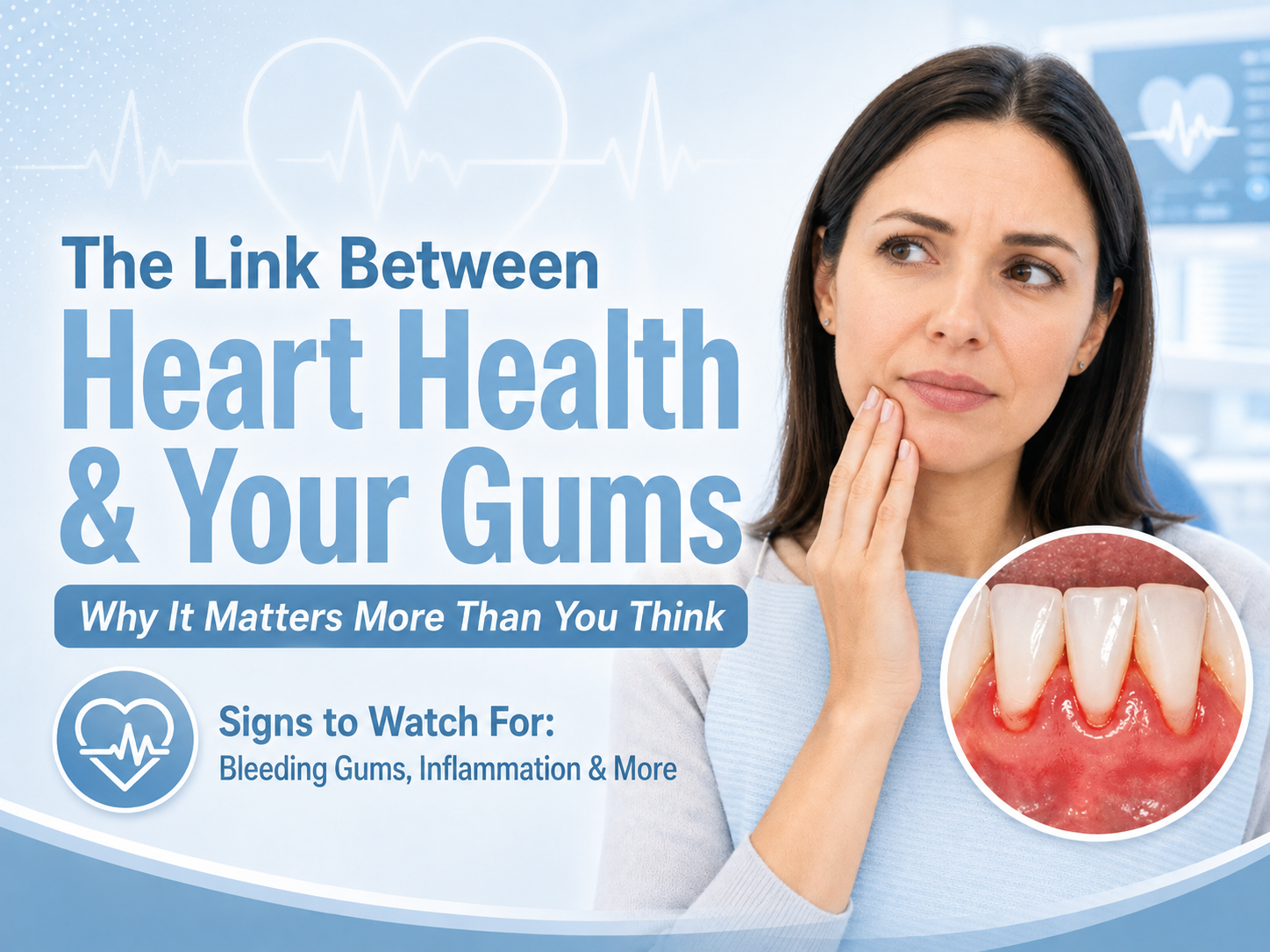
Most people think of brushing and flossing as ways to protect their teeth and prevent bad breath. But your gums may be telling you something about more than just your mouth.
Research and clinical observations have long suggested a connection between gum health and overall health, including your heart. While gum disease does not automatically mean you will develop heart problems, unhealthy gums may be one of several warning signs that inflammation is affecting the body more broadly.
At Tooth Harmony in Niagara Falls, we often remind patients that oral health is not separate from total health. Your mouth is part of the bigger picture—and your gums deserve more attention than many people realize.
Here’s why the link between heart health and your gums matters.
What’s the Connection Between Heart Health and Gum Health?

Your gums are living tissue, and when they become inflamed, that inflammation does not always stay isolated to the mouth.
When gum disease develops, bacteria and inflammation can affect the tissues around your teeth. Over time, this ongoing inflammation may place added stress on the body. That is one reason dental professionals and medical professionals alike continue paying close attention to the connection between gum disease and heart health.
In simple terms: unhealthy gums may reflect chronic inflammation, and chronic inflammation matters far beyond your smile.
What Is Gum Disease?
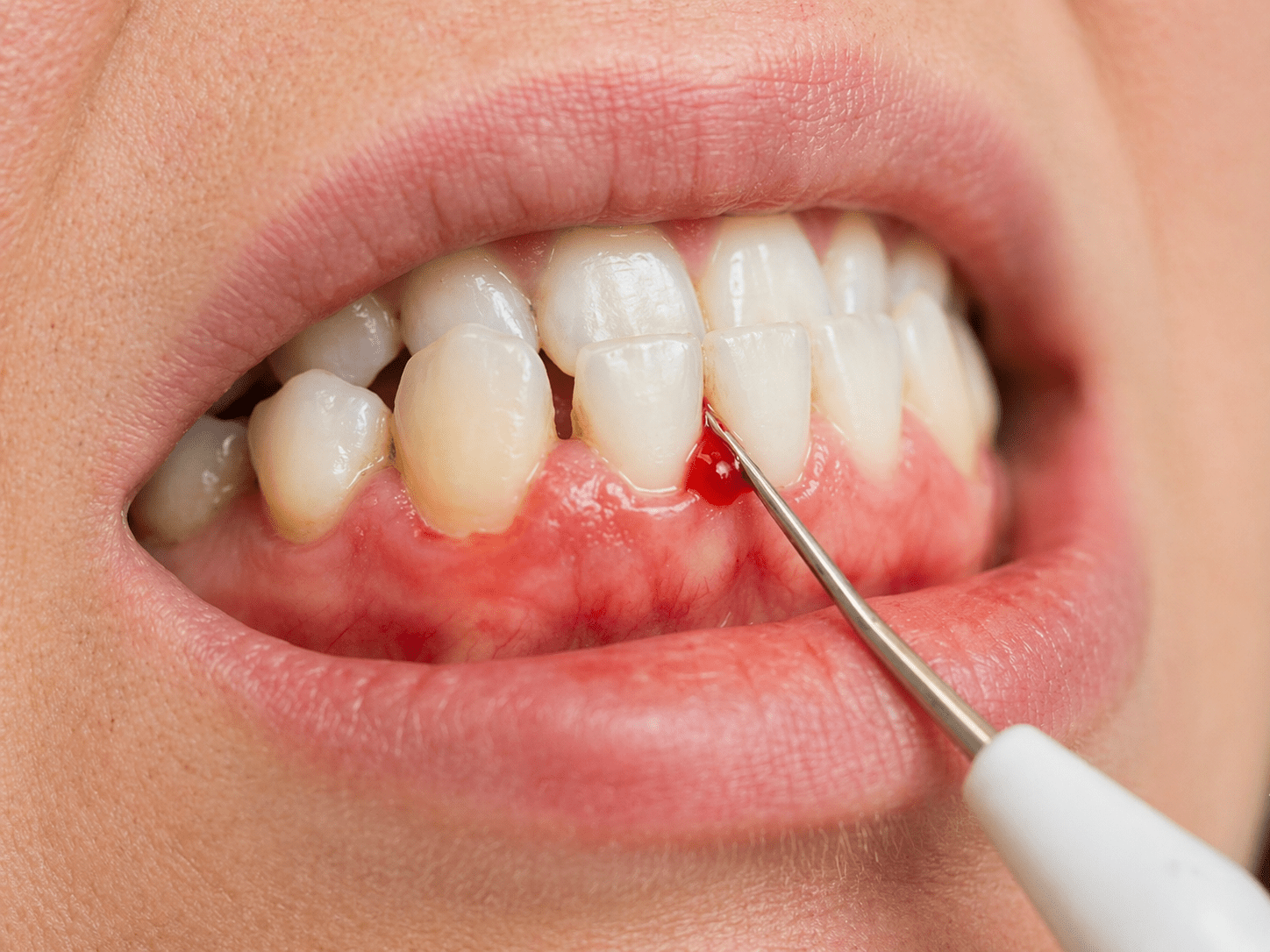
Gum disease usually starts with gingivitis, which is the early stage of gum inflammation. At this point, gums may look red, swollen, or bleed when brushing and flossing.
If it is not treated, it can progress into more advanced gum disease, which may lead to:
Receding gums
Persistent inflammation
Deep pockets around the teeth
Bad breath
Loose teeth
Bone loss around the teeth
Tooth loss in more severe cases
Because gum disease can develop slowly, many adults do not realize it is happening until the signs become more noticeable.
Why Inflammation Matters
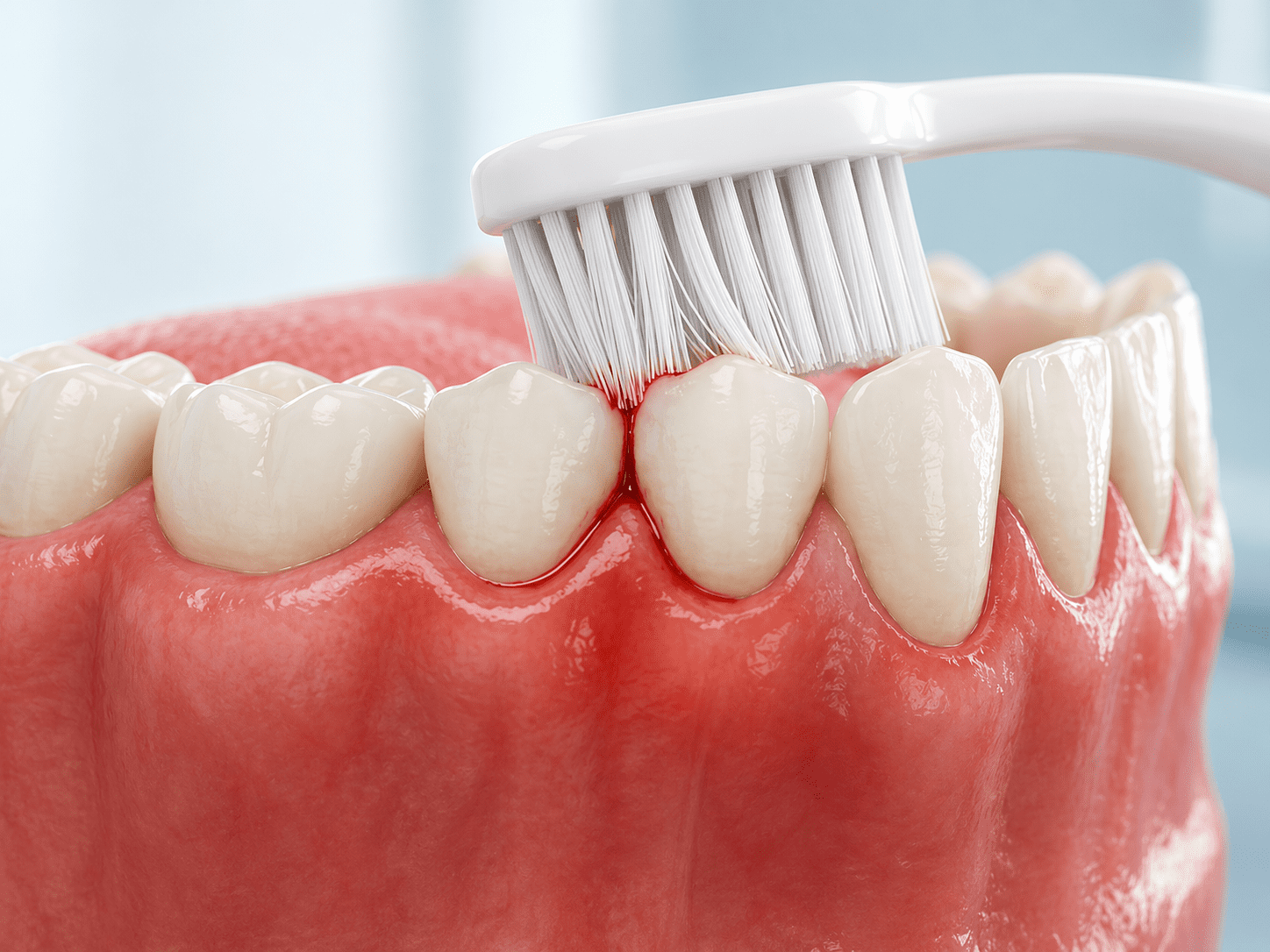
Inflammation is your body’s natural response to irritation or infection. But when inflammation becomes ongoing, it can start to affect more than one area of health.
That is why bleeding gums should not be brushed off as “normal.”
If your gums bleed regularly, feel tender, or look swollen, it may be a sign that inflammation is present. Even if it feels minor, it is worth paying attention to—especially because the mouth can reflect patterns happening elsewhere in the body.
Signs Your Gums May Need Attention
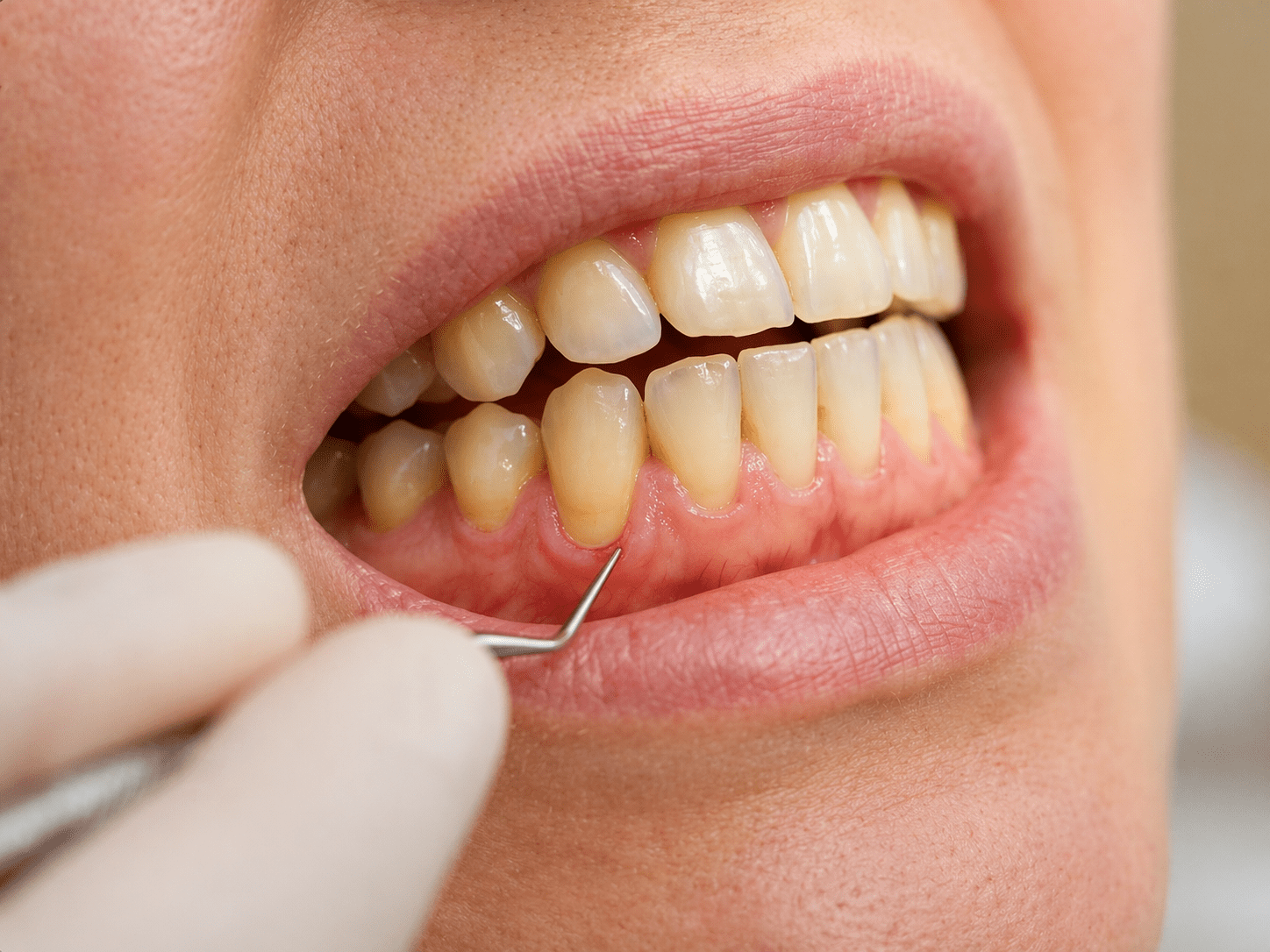
Gum problems do not always cause pain right away, which is why they are easy to ignore.
Some common warning signs include:
Bleeding when brushing or flossing
Red or puffy gums
Persistent bad breath
Gum tenderness
Receding gums
Teeth looking longer than before
A bad taste in the mouth
Loose teeth in more advanced cases
If you notice one or more of these symptoms, it is a good idea to have your gums evaluated.
Why Gum Health Shouldn’t Be Ignored
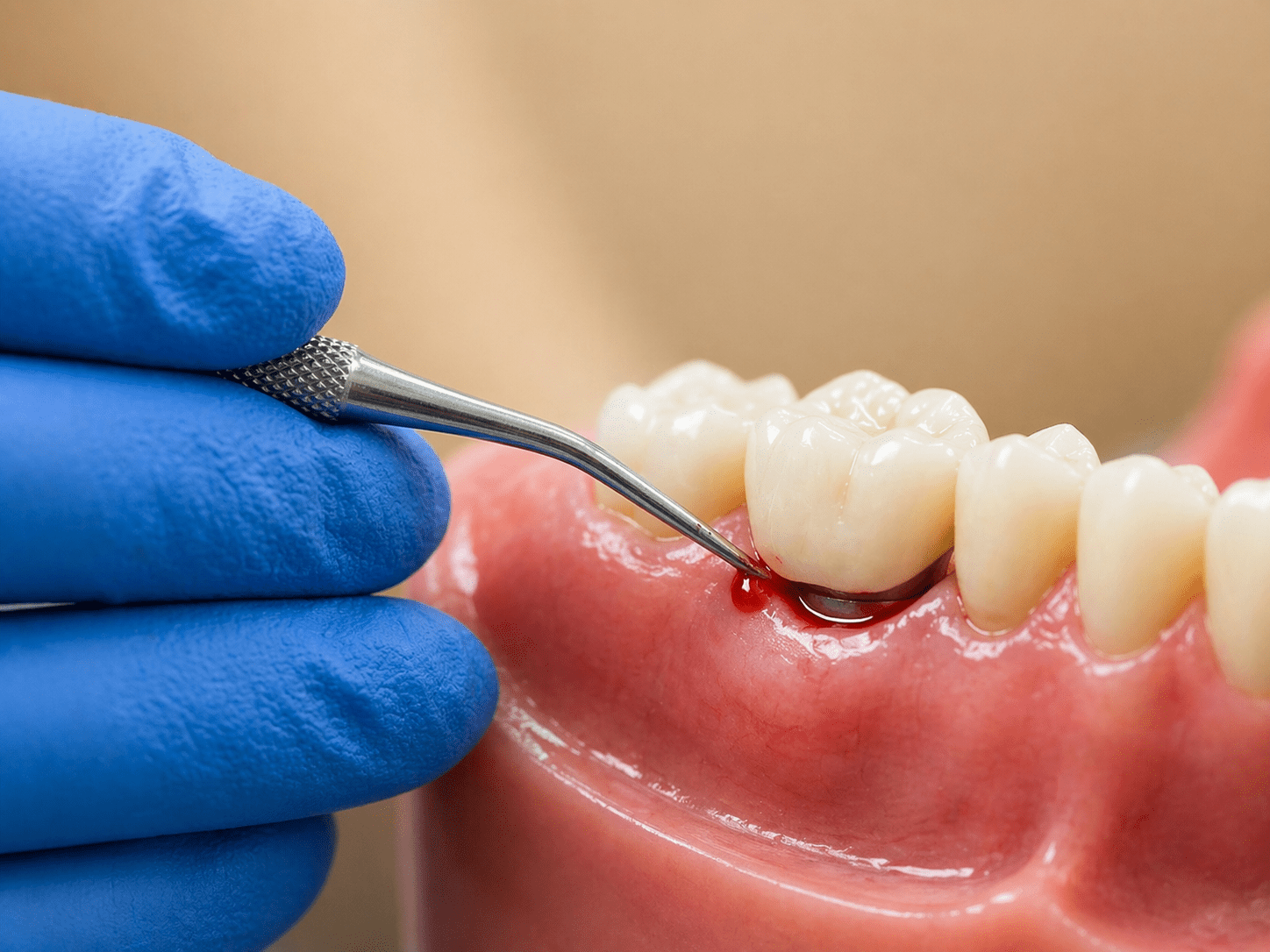
Many people wait until something hurts before booking a dental visit. The problem is that gum disease does not always become painful in the early stages.
Ignoring gum inflammation may allow it to worsen over time, which can lead to:
More gum recession
Increased plaque and tartar buildup
Greater irritation and bleeding
Damage to the supporting structures around the teeth
More complex dental treatment later
And because gum health may also reflect broader inflammation in the body, it is not something to treat as unimportant.
Your gums are not just supporting your teeth—they may also be giving you useful information about your overall health.
What Can Increase the Risk of Gum Problems?
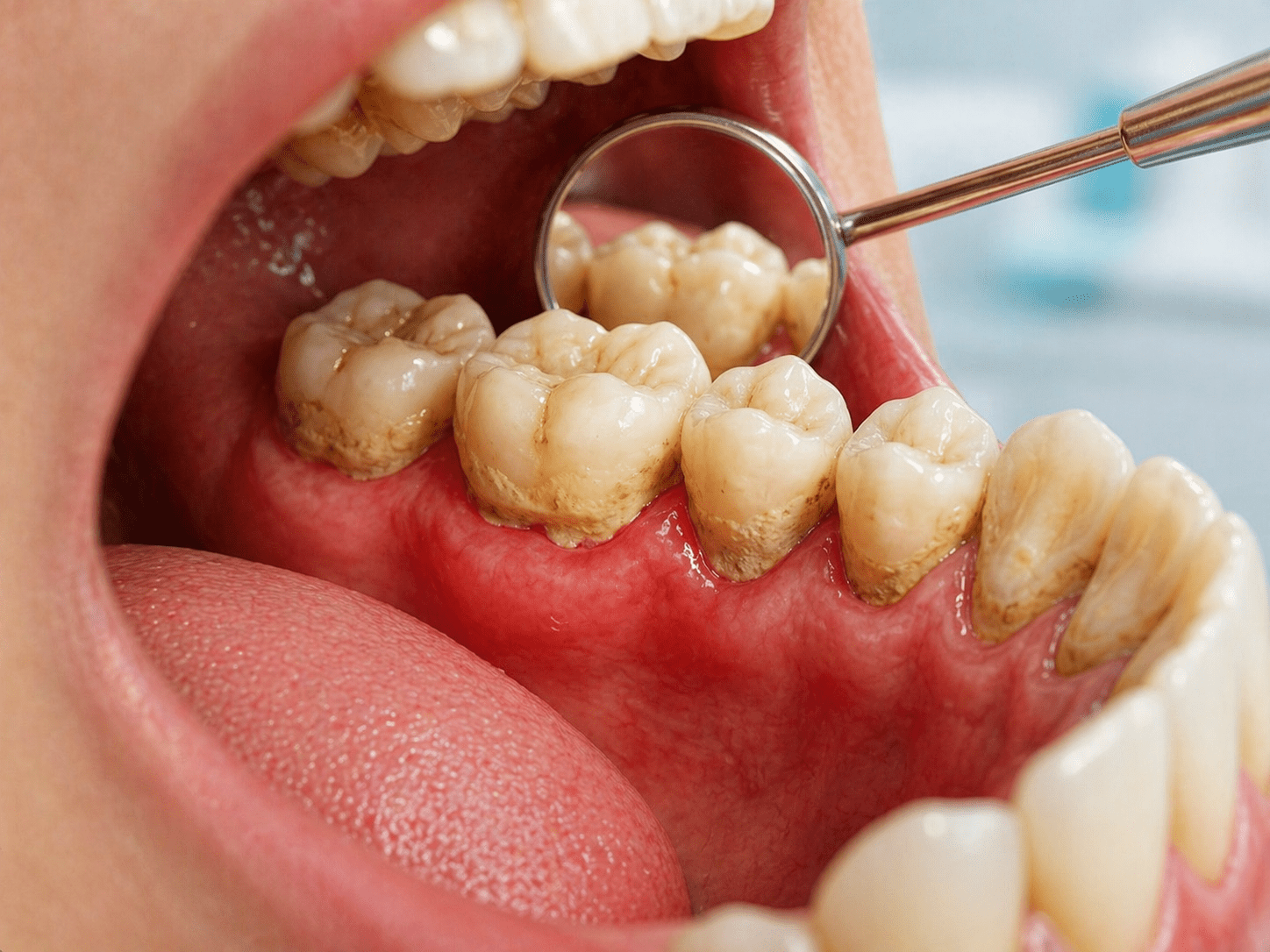
Several factors can make gum issues more likely, including:
Inconsistent brushing and flossing
Plaque buildup
Skipping regular dental cleanings
Smoking
Dry mouth
Stress
Hormonal changes
Certain health conditions
Even people who feel their teeth are “fine” can still have gum inflammation developing quietly.
That is one reason regular dental exams and cleanings matter so much.
What Your Dentist Looks For

During your visit at Tooth Harmony in Niagara Falls, your dentist and hygiene team may check for:
Redness or swelling in the gums
Bleeding during cleaning or examination
Gum pocket depth
Plaque and tartar buildup
Gum recession
Bone support around the teeth
Signs of early or advanced gum disease
Catching these signs early can make treatment simpler and help protect both your oral health and your long-term wellness.
Can Improving Gum Health Help?

Taking better care of your gums is one of the simplest ways to support your oral health—and it may also support your overall health habits at the same time.
Good gum care usually includes:
Brushing thoroughly twice a day
Flossing daily
Keeping up with regular dental cleanings
Addressing bleeding gums early
Following treatment recommendations if gum disease is present
Even small improvements in consistency can make a difference over time.
When to Book an Appointment
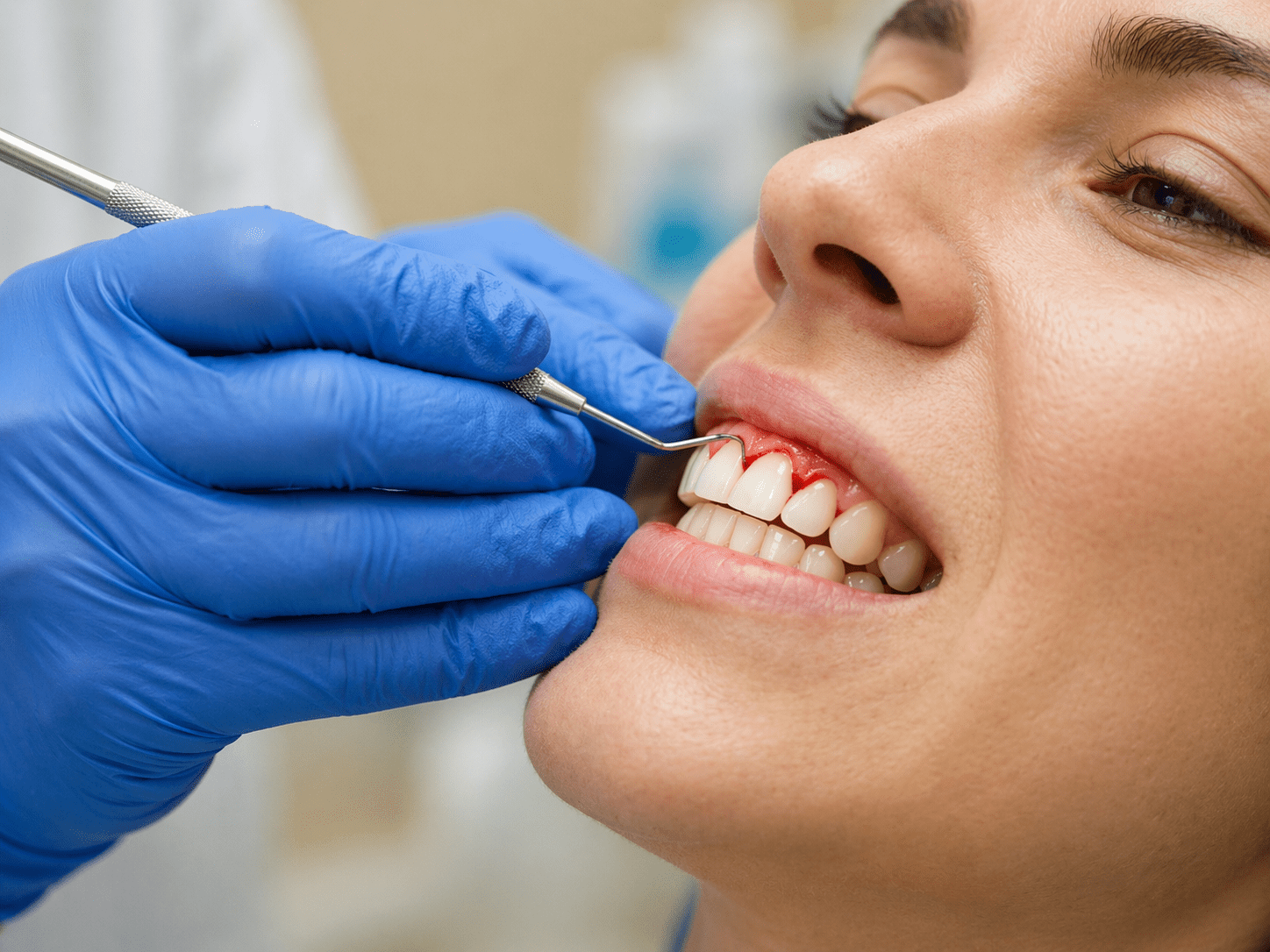
It is a good idea to schedule a visit if you notice:
Bleeding gums
Swelling or redness
Gum tenderness
Persistent bad breath
Receding gums
Teeth that feel different or look longer
A long gap since your last cleaning
You do not need to wait until the symptoms get worse. In many cases, early care can help prevent more serious gum problems down the road.
Gum Health and Dental Care in Niagara Falls
At Tooth Harmony, we believe oral health is part of total health. If your gums have been bleeding, feeling tender, or showing signs of inflammation, it is worth getting them checked.
Healthy gums matter more than many people think—and paying attention now can help protect your smile for the long term.
Book your consultation with Tooth Harmony in Niagara Falls today at www.toothharmony.com and let’s help keep your smile healthy, supported, and cared for.
