
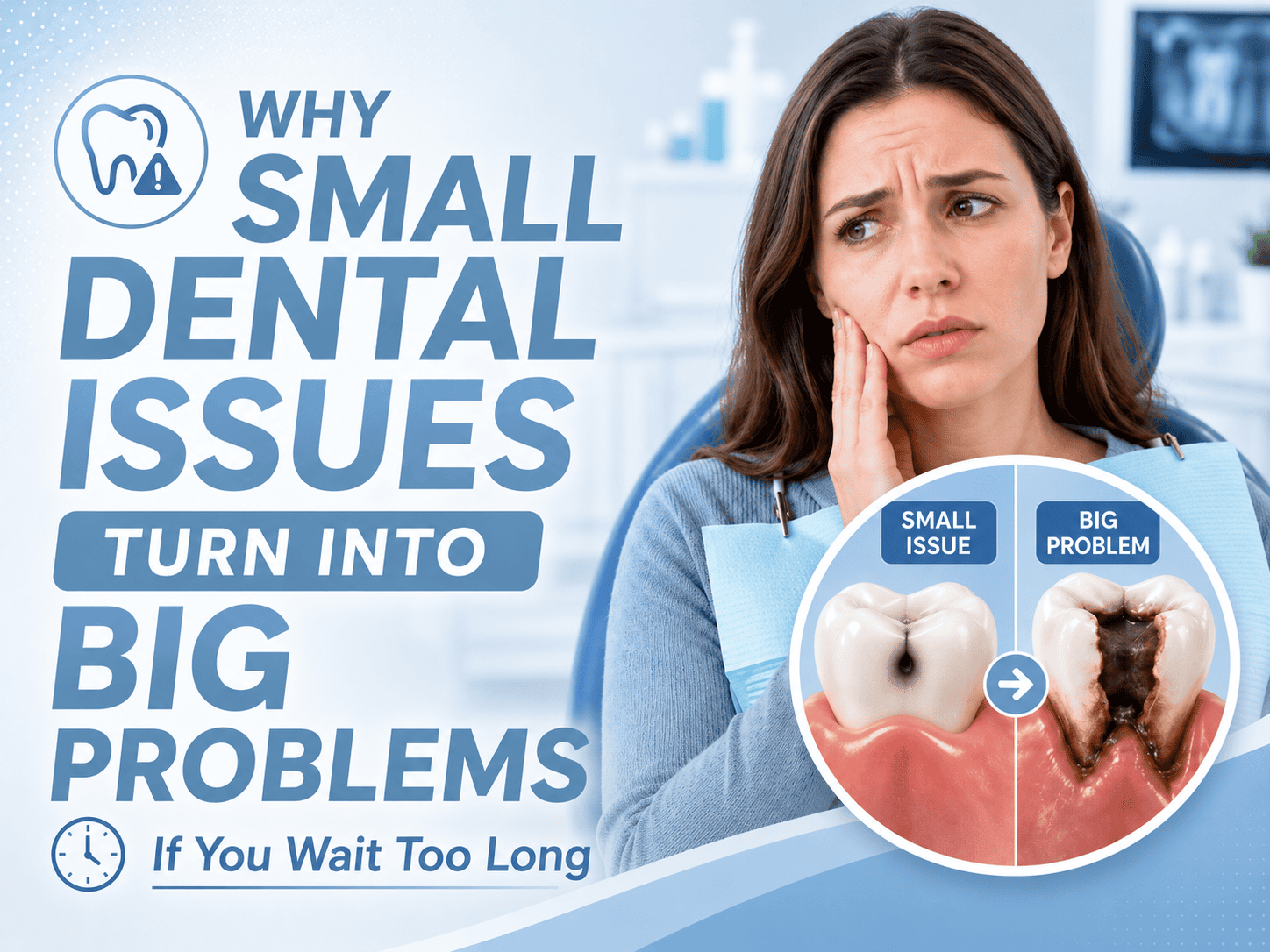
A little tooth sensitivity. A bit of gum bleeding. A small chip that doesn’t really hurt. It’s easy to tell yourself it’s nothing serious—or that you’ll deal with it later.
The problem is, small dental issues rarely stay small forever.
Many oral health problems start quietly. They may not seem urgent at first, and they often do not cause major pain right away. But when treatment is delayed, what could have been simple and manageable can turn into something more uncomfortable, more expensive, and more complicated.
At Tooth Harmony in Niagara Falls, we often see how quickly minor dental concerns can grow when they are ignored for too long. Here’s why early attention matters more than many people realize.
Why Small Dental Problems Are Easy to Ignore

One of the biggest reasons people delay dental care is because the issue doesn’t seem serious yet.
Maybe it only bothers you once in a while. Maybe there’s no pain at all. Maybe life is busy, and it feels easier to put it off.
Common examples of “small” dental concerns include:
Mild tooth sensitivity
Bleeding gums
A chipped tooth
Food getting stuck in one area
Occasional jaw tension
A loose filling
A sore spot in the mouth
Minor swelling or tenderness
These things may seem manageable in the moment—but they can be early warning signs of something developing under the surface.
A Small Cavity Can Become a Bigger Problem
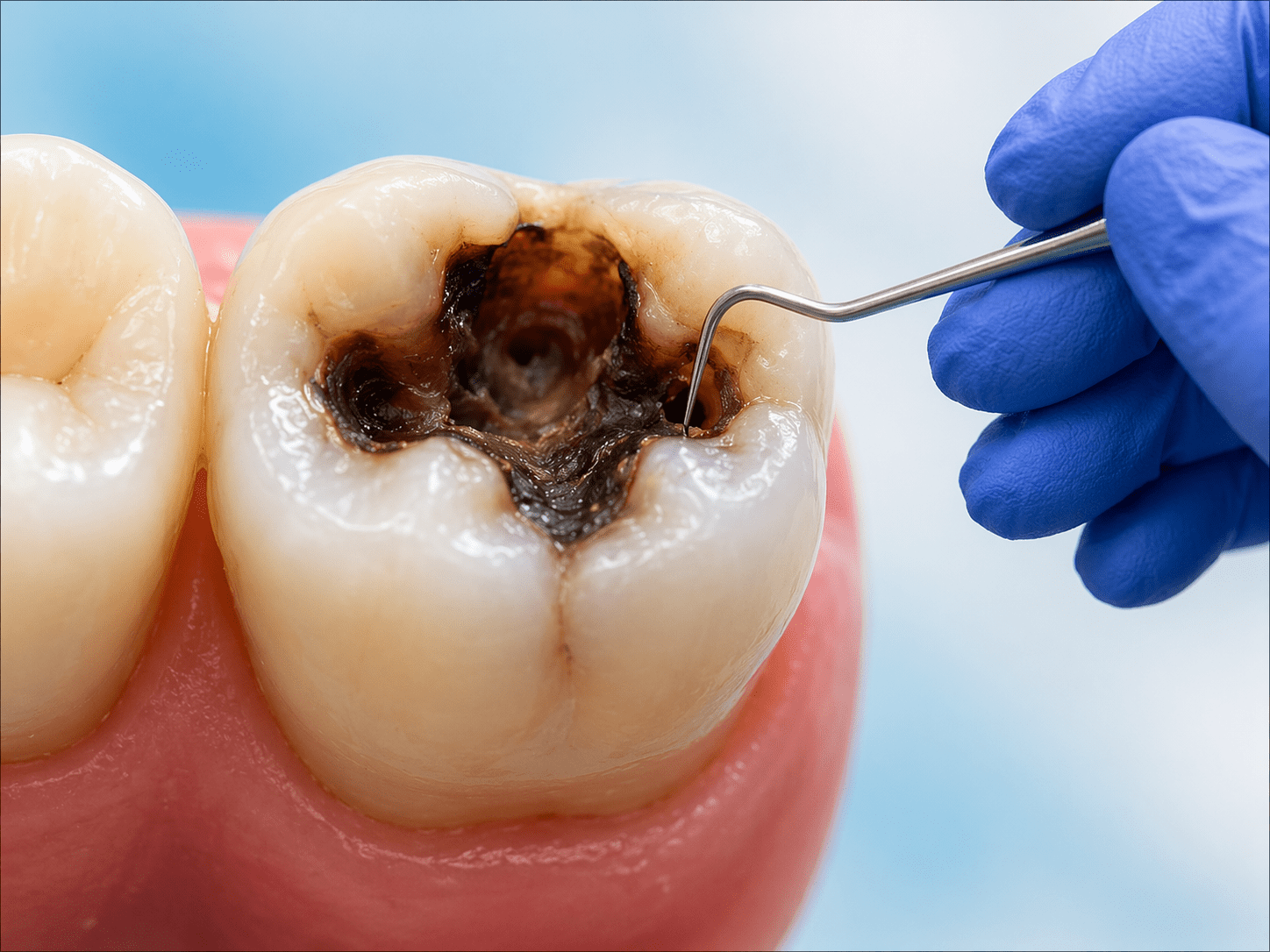
A cavity does not usually start as a major dental emergency.
In the early stages, tooth decay may cause little to no discomfort. But cavities do not heal on their own. If left untreated, decay can continue moving deeper into the tooth.
Over time, that can lead to:
More tooth structure being damaged
Greater sensitivity
Pain while eating or drinking
Infection
A need for a larger filling
A root canal
A crown
In severe cases, an extraction
What could have been a small filling may eventually require much more treatment if it is left too long.
Bleeding Gums Shouldn’t Be Brushed Off

Many people assume that bleeding gums are normal. They’re not.
Bleeding while brushing or flossing often means the gums are inflamed. That inflammation may be an early sign of gingivitis or developing gum disease.
If it is ignored, the condition can worsen and lead to:
Increased swelling and tenderness
Receding gums
Persistent bad breath
Deeper gum pockets
Bone loss around the teeth
Loose teeth in more advanced cases
Catching gum issues early can make a major difference in keeping treatment simpler and protecting your long-term oral health.
A Small Chip or Crack Can Get Worse
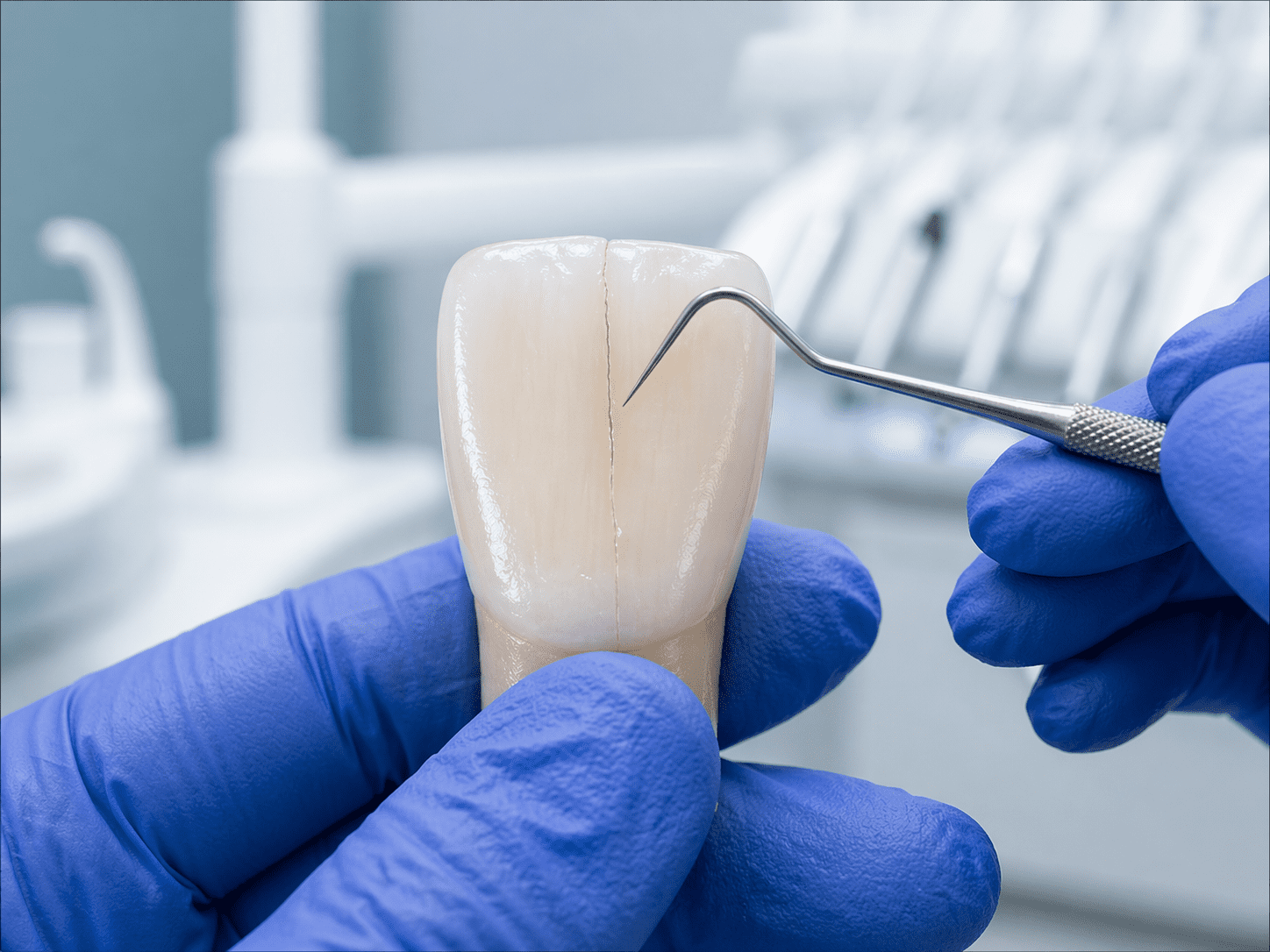
A tiny chip may not seem urgent—especially if it doesn’t hurt. But even minor damage can weaken the tooth and make it more vulnerable over time.
A small crack or chip may lead to:
More breakage
Sharp edges
Sensitivity
Pain when chewing
Bacteria entering deeper into the tooth
A more serious fracture later
Sometimes a tooth that only needed a simple repair at first becomes much harder to save when treatment is delayed.
Loose Fillings and Worn Dental Work Matter Too
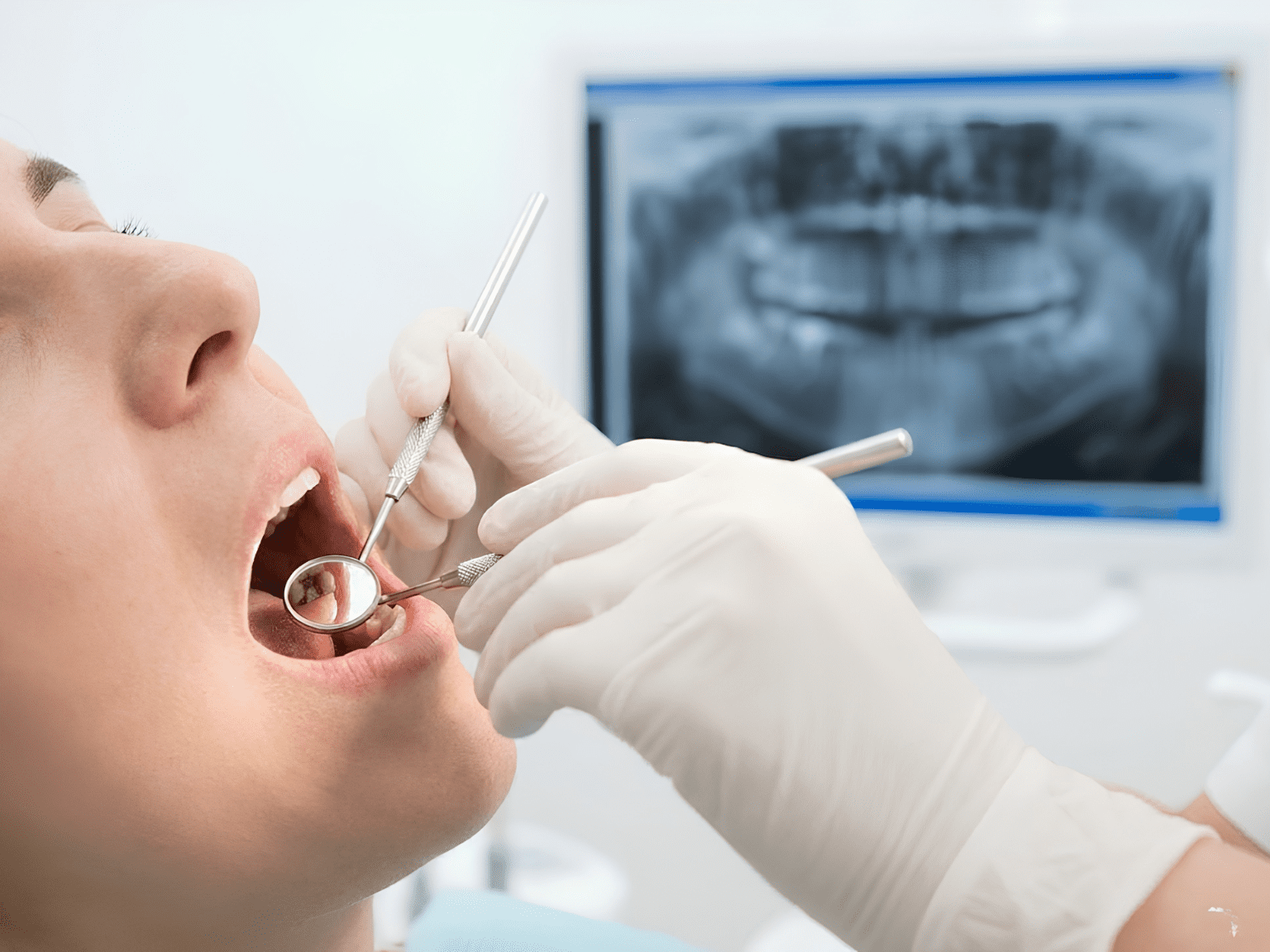
Older fillings, crowns, and other dental restorations do not last forever.
If a filling feels loose, worn, rough, or sensitive, it may be a sign that bacteria can get underneath or around it. That can increase the risk of:
New decay
Tooth weakness
Cracks
Sensitivity
Infection
Many patients wait until a filling breaks completely before getting it checked. But by that point, the tooth may need more treatment than it would have earlier.
Pain Usually Means the Problem Has Progressed
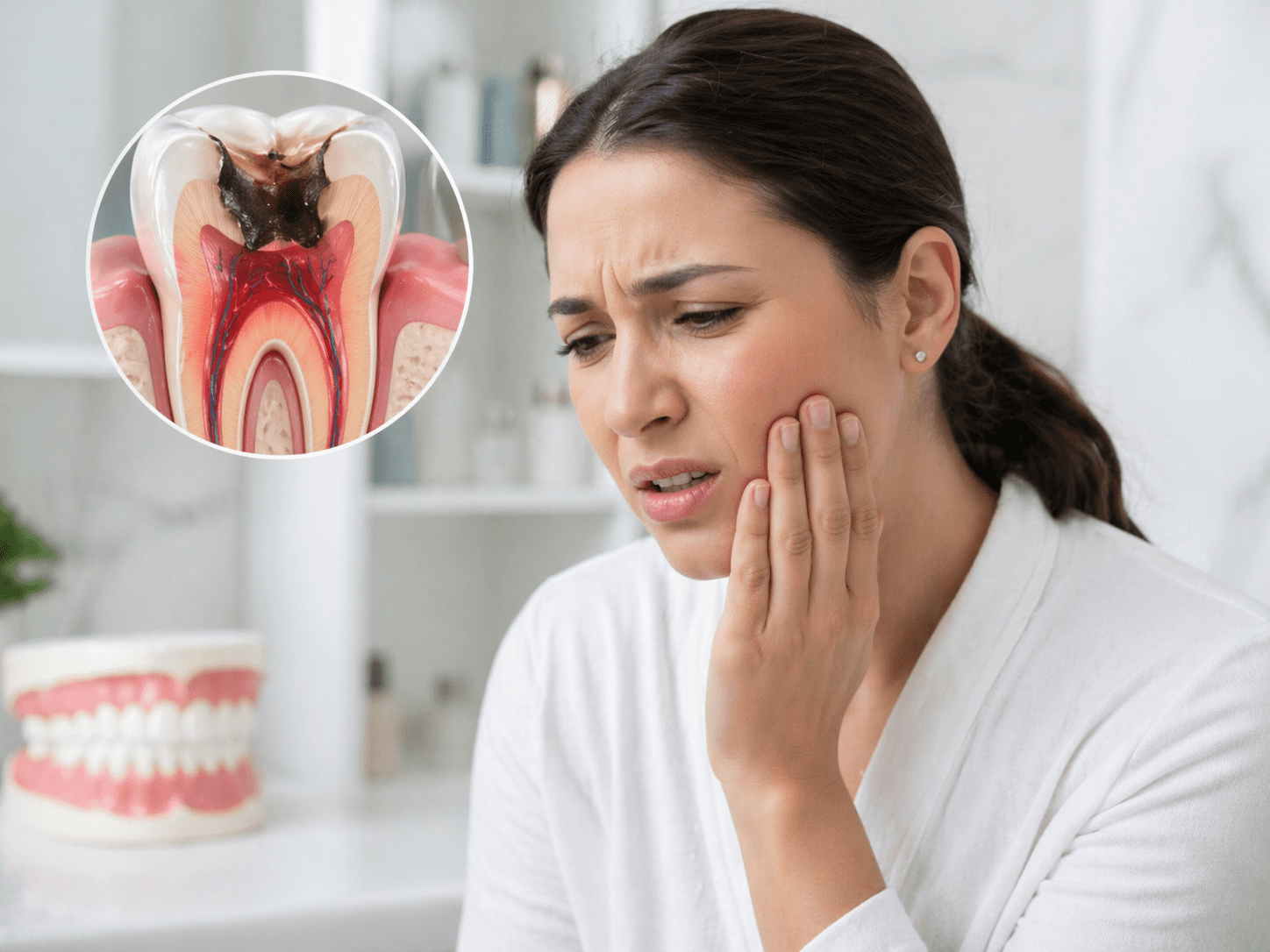
One of the biggest mistakes people make is waiting until something hurts badly before booking an appointment.
The problem is, pain is often a later-stage symptom.
Dental issues like decay, gum disease, cracks, and infections often begin long before severe pain appears. By the time the discomfort becomes hard to ignore, the problem may already be more advanced.
That is why “it doesn’t hurt yet” is not always a good reason to wait.
Waiting Can Mean More Time, More Cost, and More Stress
When a problem gets worse, treatment often becomes:
More involved
More time-consuming
More expensive
More uncomfortable
More stressful
A simple issue caught early may be handled with minimal treatment. But once it progresses, the steps needed to fix it may become much more significant.
In many cases, early care is not just better for your teeth—it is also easier on your schedule, comfort, and budget.
Why Early Treatment Matters
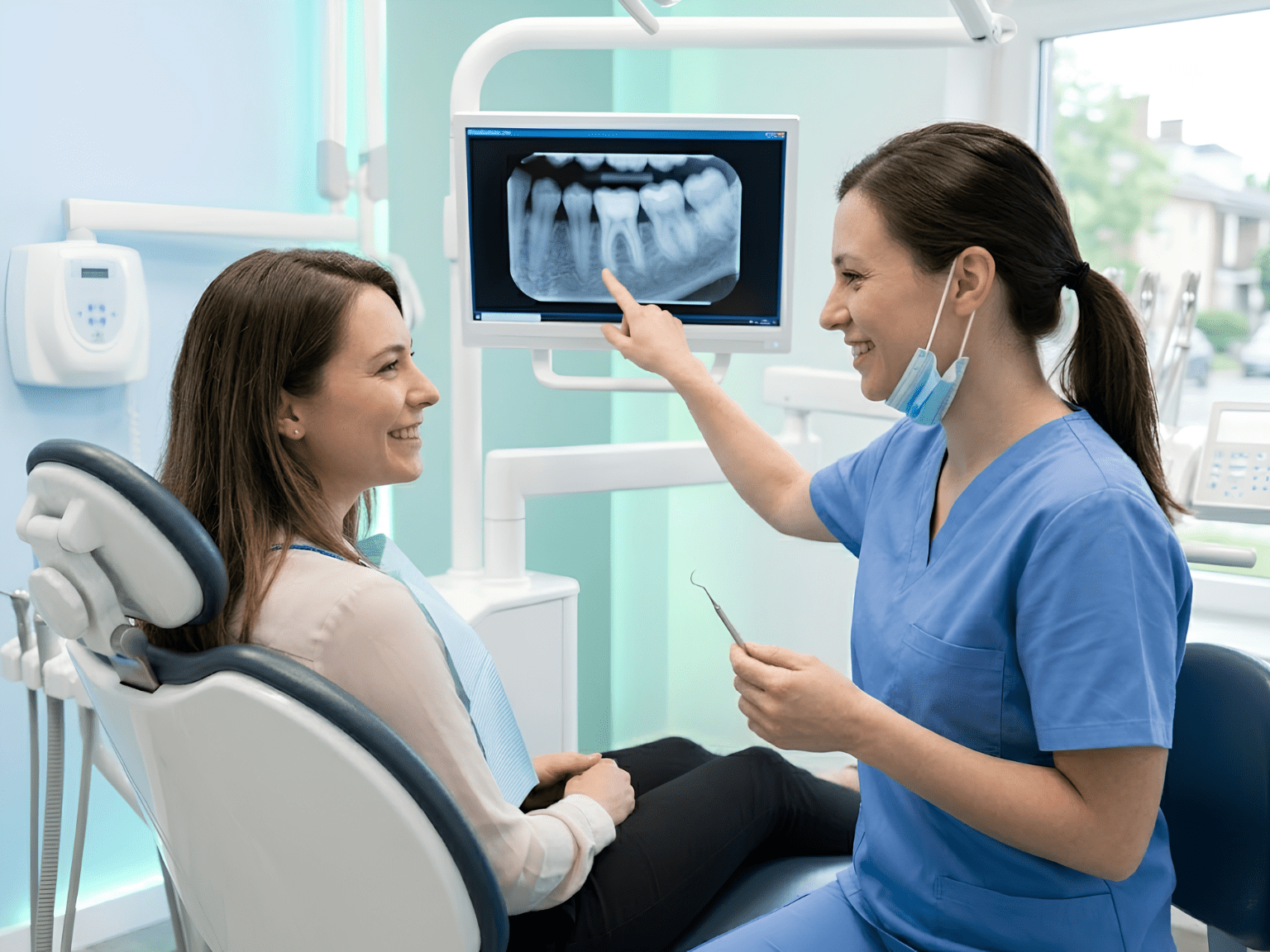
Seeing a dentist early does not mean every small issue turns into a major procedure. In fact, it often means the opposite.
Early treatment can help:
Stop problems from progressing
Preserve more natural tooth structure
Reduce discomfort
Keep treatment simpler
Protect your gums and supporting bone
Lower the risk of infection
Give you more options
The earlier a dentist sees a concern, the more likely it is that something can be managed before it becomes more serious.
What Your Dentist Looks For
During your visit at Tooth Harmony in Niagara Falls, your dentist may check for early signs of:
Cavities
Gum inflammation
Cracks or chips
Tooth wear
Loose or failing fillings
Receding gums
Bite-related issues
Signs of grinding or clenching
Infection or swelling
Oral tissue changes
These details matter because small changes are often easier to treat when they are found early.
When to Book an Appointment
It is a good idea to schedule a dental visit if you notice:
Tooth sensitivity
Bleeding gums
A chipped tooth
A loose filling or crown
Food trapping in one spot
Jaw discomfort
Swelling or tenderness
A sore in the mouth that does not go away
Any change that feels unusual, even if it seems small
If something feels off, it is worth checking. You do not need to wait for it to become severe.
Dental Care in Niagara Falls
At Tooth Harmony, we believe small dental issues deserve attention before they turn into bigger problems. If you have noticed a change in your teeth, gums, or mouth, getting it checked early can help protect your comfort and your smile.
Sometimes the easiest dental problem to treat is the one you address right away.
Book your consultation with Tooth Harmony in Niagara Falls today at www.toothharmony.com and let’s help keep small issues from becoming bigger ones.
